Understanding the Mandela Effect: Time Travel or Memory Glitch?

What’s a conspiracy theory you actually find believable?

The Mandela Effect: Proof That Someone’s Messing with Our Timeline

Here’s mine, and I promise it’s not flat-earth or hollow-earth level nonsense: I think the Mandela Effect is real evidence that time travel exists, and that someone out there is quietly editing our history for us or attempting to edit history, and has messed up horribly.

Let’s start with the basics. The Mandela Effect is that strange phenomenon where huge groups of people remember the same event, image, or phases. They all remember it wrong, in exactly the same way. It got its name back in 2009, when a researcher discovered that tons of people distinctly remembered Nelson Mandela dying in prison in the 1980s. Except he didn’t. He walked out of that prison and became President of South Africa. Meanwhile, half the internet swears they remember watching his funeral on TV.
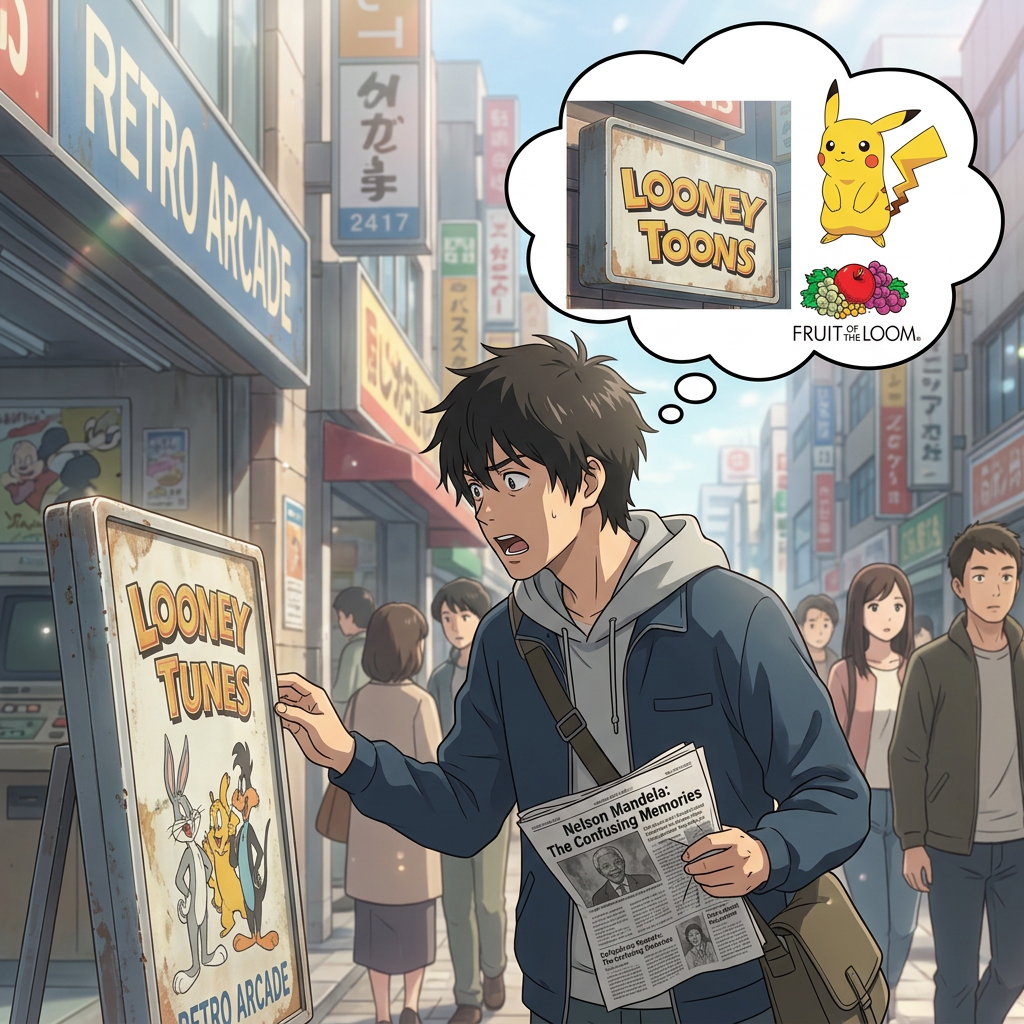
Person holding newspaper beside Retro Arcade and Looney Toons signs
A startled shopper encounters familiar cartoon branding and newspaper headlines on a busy city street.

Scientists have a boring explanation for this, thank you Neil De Grasse Tyson. The reality is memory isn’t a video recording; it’s a reconstruction of everything the brain processed and recreated. Every time you recall something, your brain rebuilds it from scratch, and it’s prone to suggestion, gap-filling, and good old-fashioned misremembering. That’s the “safe” and laymen’s term of the answer.

I am a scientist, a molecular biologist to be exact, don’t buy the boring answer. I think it’s time travel. Says, the person with limited Neuroscience background. Pause.  Scientists do not create equal stop asking your cousin that study astrophysics if you should go to the doctors for growth, you need to go to the doctors. The growth needs a biopsy and better test results and tell you what the growth is, it’s probably a cyst, but don’t ask your cousin the astrophysicist, they know thermodynamics, placement of stars, and how to calculate the distance of black holes.

Here’s my theory: somewhere down the line fifty years from now, a thousand years from now, whenever we finally crack it, humanity figures out how to travel through time. And every single time someone goes back and tweaks something, it doesn’t erase the old timeline completely. It just overwrites it mostly. A few stray memories slip through the cracks, like static from the old channel bleeding into the new one. That static? That’s the Mandela Effect. It’s not a glitch in your brain, it’s a glitch in reality, left behind by whoever’s out there playing timeline Jenga.

Take Nelson Mandela himself. Picture it: he dies in prison in the 80s, and it sends the world into a spiral. Something catastrophic happens as a result maybe South Africa collapses into chaos, maybe the ripple effects are felt globally. So someone from the future looks at this disaster, decides it’s unacceptable, hops in their time machine, and quietly makes sure he survives. World saved. Except a chunk of us still remember the original, uncorrected timeline like it was yesterday.

Or take the corporate angle, which honestly might be my favorite part of this theory. Ever notice how companies barely sell physical copies of anything anymore? Everything’s digital, everything’s a subscription, everything can be patched, updated, or quietly rewritten overnight. I think that’s on purpose. If a company put out a hundred million physical copies of something and time travelers started messing with details in the past, there’d eventually be a mountain of physical evidence that doesn’t match the “current” version of events. Digital is easy to erase. Physical copies are witnesses. Keep everyone renting instead of owning, and there’s nothing left behind to prove the timeline ever looked different.

And don’t even get me started on Chick-fil-A. I would bet good money that logo used to have a “k” in it. Chik-fil-A. I can picture it. Now it’s “Chick-fil-A,” clean as can be, and nobody blinks. Somewhere out there, something happened that was bad enough that someone had to go back and fix a fried chicken logo. We don’t know what yet. But when we figure it out, don’t say I didn’t call it. *While cleaning my desk, I found an old chick-fil-a calendar. It had the ck… so maybe not chick-fil-a.
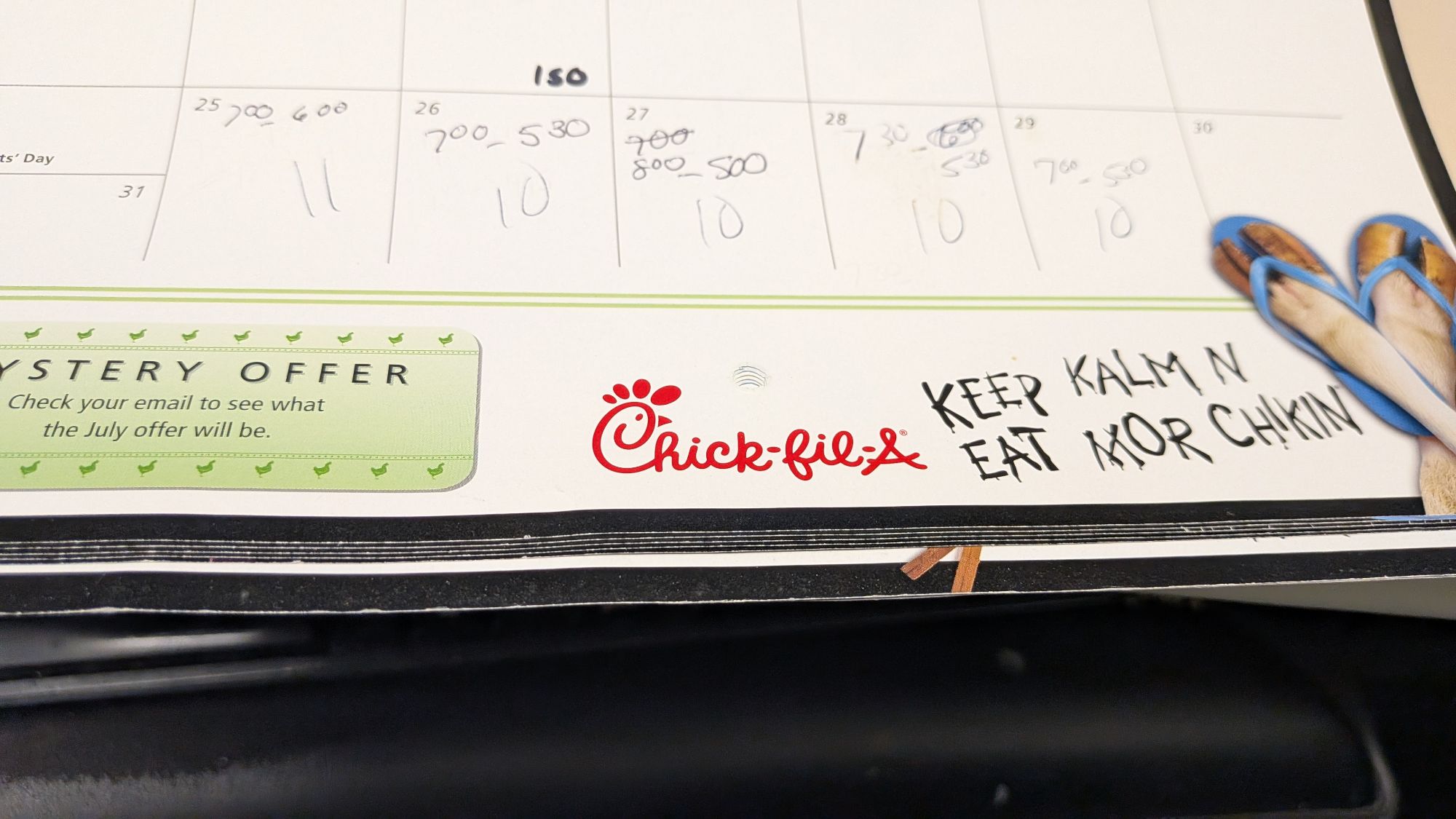
Now, to be clear I’m not out here claiming the earth is flat, or hollow, or that we’re all NPCs in a simulation running on some cosmic PlayStation (7 billion people, rendered in real time, 24/7? No chance). I like to think I know where the line is between “fun theory” and “actually unhinged.” But the Mandela Effect? That one I believe. Every conflicting memory, every “wait, I *know* it wasn’t spelled like that” moment, is a little scar tissue left over from a timeline that almost was  evidence that somewhere out there, someone hit rewind, changed a few things, and hit play again, hoping we wouldn’t notice. We noticed.


My Top 5 Apps (Plus an Honorable or Two Mention)

Hello Readers,

This was orginially a Daily Prompt offered by WordPress, and in my goal to do 30 essays in 30 days, i did this one because I thought it was fun. I have lost the Daily prompt draft I created but still wanted to share. Enjoy! Any of these apps want to sponsor a post. Reach out to me!

I saw this prompt on WordPress and it stuck with me: what are your top five apps on your phone? Not top five rappers (though that’s a whole other debate we need a scoring system for), not top five anything else just the apps I reach for every single day. So, here’s my  or , unranked by cool factor, ranked by real life list. Along with a few extra, and one that I tried to leave off the list but… I couldn’t Pikachu wouldn’t allow it.

5. Voice Recorder

This one might surprise you, but it’s been essential since the beginning of COVID in 2020. I use my phone’s recorder to capture my thoughts before they disappear into the ether. Ideas I can’t get out of my head, ramblings that turn into essays, voice notes that are basically my personal diary. Half the blog posts I’ve ever published started as me talking to myself in the car. Some of it turns into something good. Some of it is just me sounding unhinged. Either way, it works.

4. Spotify

Yes, I know. I know Spotify barely pays artists and has its own controversies. I’m trying to be a conscientious consumer, but I also host trivia and I’m always on the go, so realistically, Spotify runs my life. My only real complaint: it used to introduce me to new artists and genres constantly, and lately it just keeps feeding me the same 150–200 songs on repeat. I don’t need “Don’t Stop Believing” again to give me something new.

The audiobook addition, though? Genius. I’ve “read” three books I never would’ve paid for otherwise. I’ll start a book physically at night, forget to bring it to work, search for it on Spotify. So, I can continue to listen to the book at work, or even on the drive home. Then once I’m back home, I pick the physical copy back up right where I left off. Seamless.

3. Plague Inc.

This is the one game that made the list. I don’t download it often because I will lose hours to it, but there’s something about building out epidemiology scenarios and watching how diseases spread that scratches an itch in my brain. It doesn’t teach me public health (that’s what school is for), but the modeling side of it is genuinely fascinating. An ex-introduced me to this game, I think it freaked him out how much I loved the game and would show him all the different ways I would create diseases.

2. Too Good to Go

When I’ve got a little extra cash and want food from a new spot, this is my go-to. Some of my favorite markets, Whole Foods or Fresh Market, sell surplus food through the app for a fraction of the price. Right now, I am in love with Pure Raw Juice, because Too Good, to Go.  It’s how I get to try places I’ve never been, eat well, and not feel guilty about food waste. It’s also perfect for stocking up on food or a quick surprise meal.

Honorable mention: Tumblr. I’ve had this account since 2008 and I’m not leaving. It’s my refuge from every other chaotic social platform (you know who you are… Book of Faces) a little corner of the internet that still feels like mine.

1. Google Maps

No contest. Even with the “raggedy” voice I keep meaning to change, I check this constantly not just for directions, but to gauge traffic before I even leave the house. It tells me exactly when I need to walk out the door to make it to work on time, and honestly, it’s saved me more stress than almost anything else on my phone. Yes, I know it’s tracking me. No, I don’t really care, I’m just going to work and back anyway. Sometimes it saves me from driving to Virgina, when I am just trying to go to Bowie.

Runners-up that almost made the cut: Keep Notes, Google Docs, Audible, Kindle. Maybe YouTube probably not due to this new algorithm.

p.s. It Pokémon Go. I have logged one too many hours on that app. My quest to get a shiny Charmander again, has driven me to the ends of Baltimore Street. I am embarrassed to say Pokémon Go is the reason I get 20,000 steps in every weekend like clockwork.  Walking around and catching little Pokémon and sending them to Professor Oak, we all know he runs an illegal chop shop of Pokémon.

If you would like to support my Pokémon hobby à https://ko-fi.com/chemichelletales

P.S. if any of these companies would like to sponsor a post… I am here for it 😊

Cosmos & Culture: Virgo Is Hot Girl (and Hot Boy) Summer Fight Me

Look, I know what you’re picturing when someone says “Virgo.” A woman in a cardigan alphabetizing her spice rack. A man color-coding a spreadsheet for fun, on a Saturday, voluntarily. The zodiac’s resident hall monitor, the friend who texts “per my last message” with their whole chest. And sure. That’s also true. But I’m here to make the case that underneath the clipboard and the critique, Virgos are quietly running the entire “hot girl summer / hot boy summer” economy. Megan Thee Stallion coined the phrase. Virgos have been living it since the Bronze Age.

The Receipts

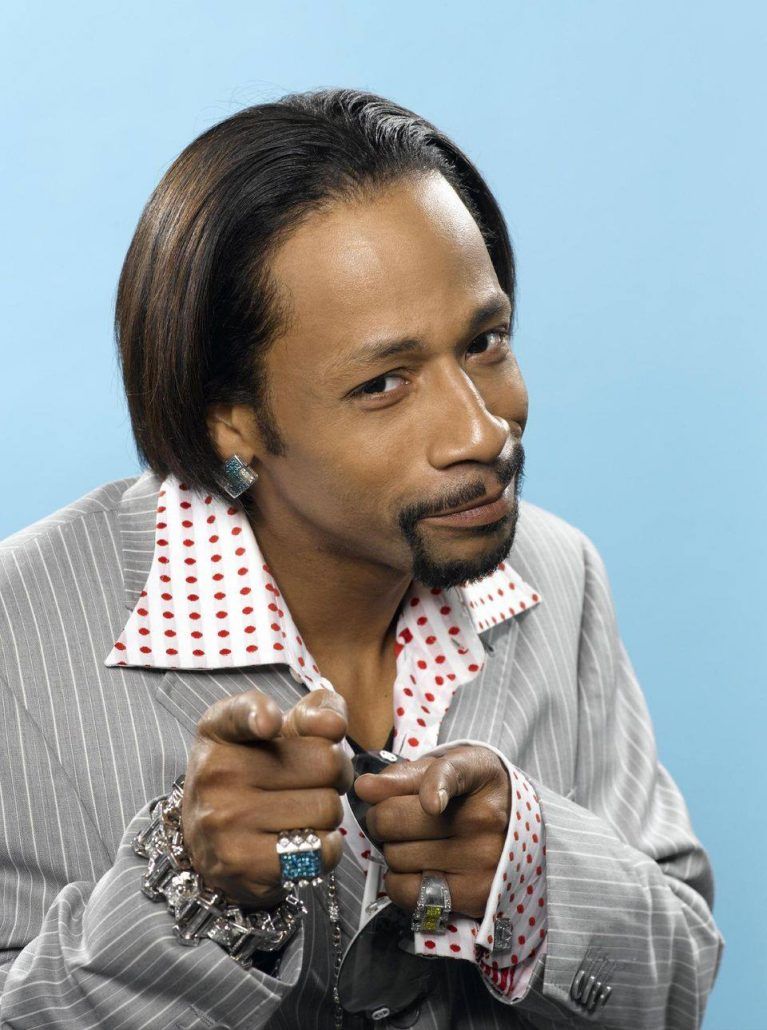
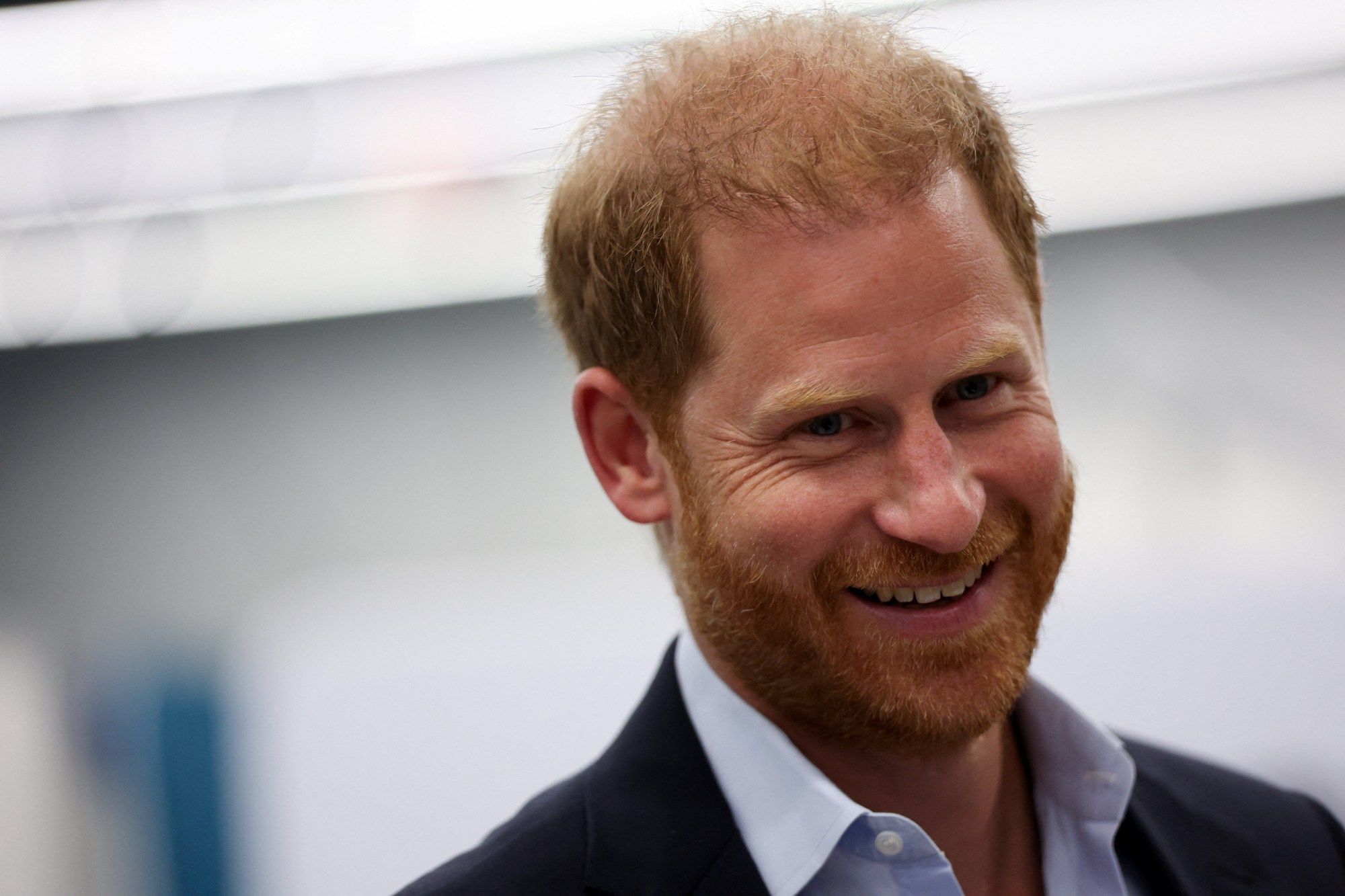
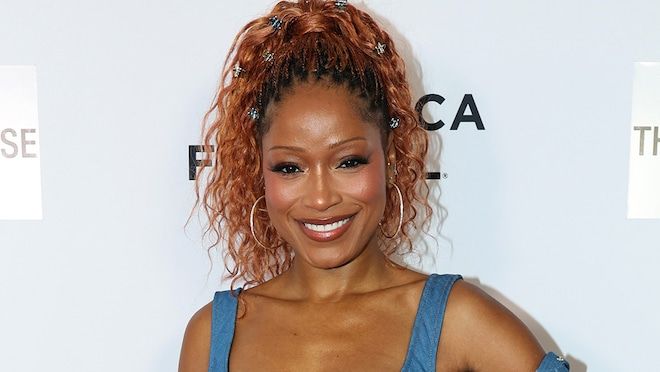
Before we get into the chart math, let’s look at the lineup, because the lineup does most of the arguing for me: Michael Jackson. Beyoncé. Ludacris. Keke Palmer. Katt Williams. Prince Harry. Zendaya and  Jesus! Yes, I said Jesus, because there’s evidence he was born in September, not December. The whole point of this tangent is Virgos; almost all Virgos are a whole vibe. These are not people who blend into a room. These are people the room rearranges itself around. Case in point, Entertainment Weekly did the “Theater Seating Game” and 85% of the people in the game chose to sit near or next to Keke Palmer, a Virgo.  And here’s the part that should really annoy every Leo reading this: Virgo does it without asking for the spotlight. No sign throws a better main-character moment while insisting, with total sincerity, that they’re just “here to help.” It’s the chess move of charisma.

The Three Decans, or: Why Some Virgos Are Built Different

Every sign gets split into three 10-degree decans with their own sub-ruler, and Virgo’s decans basically read like a character creation screen for “how hot is this Virgo going to be, specifically.”

Decan 1 — Mercury (Aug 23–Sep 1). Double-ruled by Mercury, so this is Virgo at full concentration: quick-witted, fast-processing, fluent in sarcasm, allergic to inefficiency. This is your Michael Jackson decan, the one who watches a dance once and already has it down, who hears a melody and can already tell you where it’s going. Less “sexy,” more “terrifyingly competent,” which, let’s be honest, is its own kind of hot.

Decan 2 — Saturn (Sep 2–Sep 11). This is the superstar decan. Mercury’s cleverness gets bolted onto Saturn’s discipline and staying power, and you get people who don’t just have talent; they have career longevity Beyoncé territory, Ludacris territory. Saturn is the planet of time, structure, and “still relevant twenty years later,” and that’s exactly the energy: perfectionism is real, the critiques are real, but so is the global superstar that perfectionism eventually produces. Sidenote: I think all Virgos have this quality; from my analysis, Michael Jackson has a whole 60-year career, Keke Palmer, Zendaya, I mean they all the Virgos on this list are entering 20-plus years in the business of their choosing.

Decan 3 — Venus (Sep 12–Sep 22). Venus softens the whole operation — beauty, aesthetics, charm, the ability to walk into an award show and have people quietly rearrange the seating chart to sit near you (looking at you, Keke Palmer, but her bday is actually August 26th, so she’s in the first decan, not the 3rd, but this effect is Keke’s energy to a “T”). This decan turns Mercury’s planning and Saturn’s discipline into something that feels good to be around. It’s the secret sauce decan. It’s also, conveniently, your Katt Williams decan, proof that “Venus-ruled” doesn’t only mean soft; it can also mean a man who silences an entire internet for a year with one interview.

Unhealed vs. Healed: A Public Service Announcement

Here’s the asterisk, because I’m not going to sit here and pretend Virgo doesn’t have a setting. Unhealed Virgo is still fun, genuinely the life of the party in small doses. Still, the nitpicking, the running commentary on everything you’re doing slightly wrong, the critique delivered as a love language: you need that in monthly increments, not daily ones, on the hour every hour. Or the woo is me self-deprecating energy. Please stop, go to a therapist; we love you, but if I read another “I am a failure” text, I am transporting to your location and slapping you.

Healed Virgo, though? That’s the version with the humility, the work ethic, and the actual warmth that makes people fall in love with them on a press tour. That’s the Keke Palmer who radiates “everyone in this room loves me” without ever asking for it. That’s the Prince Harry who partied like it was a competitive sport and somehow also became the most relatable and loved royal in modern history. That’s the version that earns the title “Hot Girl/Hot Boy of the summer”

Another sidenote: several songs created by Virgo are perfect songs of the summer; look at MJ, Beyoncé, Ludacris, hell even Zendaya has a song I still play and bop to regularly.

So Yes. It’s Virgo.

I know somebody’s already typing “this is clearly Leo” in the comments. I respect the loyalty, truly. But Leo wants the crown. Virgo just keeps quietly winning Grammys, hosting interviews that stop the news cycle, and aging like they signed a contract with time itself, all while insisting they’re “just detail-oriented.” Aquarius, you’re top four, not top three. Pisces, sit this one out; we’ll get to you.

Virgo: ruled by Mercury, mutable enough to evolve with every era, and against every stereotype the internet has assigned you, the actual hot girl, hot boy summer of the zodiac.

*This is part of an ongoing Cosmos & Culture series working through all twelve sun signs, with rising signs and other placements to come. New essay weekly; stick around.*

If you love a Virgo you should share this essay or buy me a coffee https://ko-fi.com/chemichelletales

Bring Back Jerry…Well Not Quite

 The Springer Thesis: How Salacious Talk Shows Kept America Sane

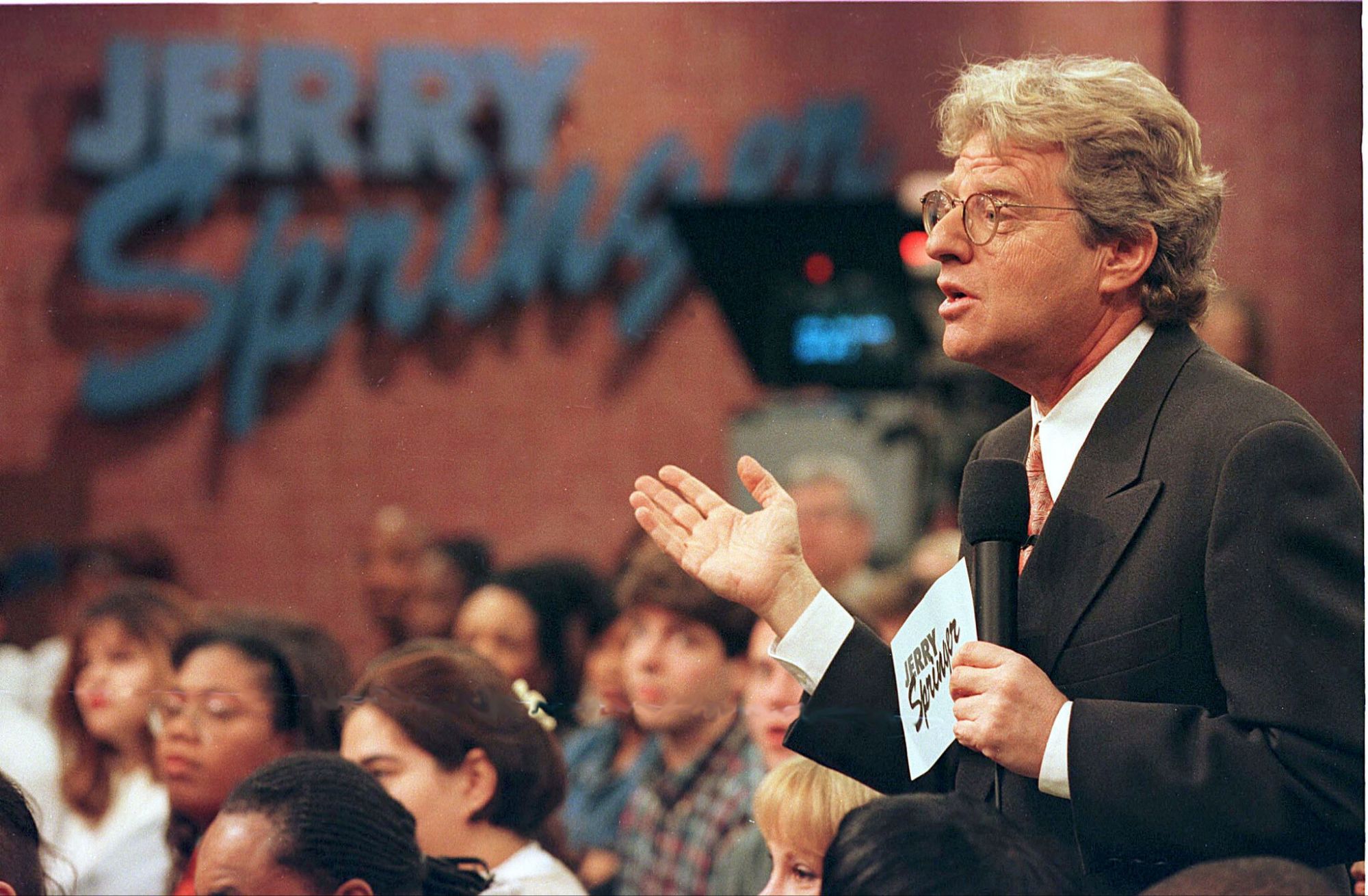
Here is an unpopular opinion: we need to bring back Jerry Springer. Not the man himself, that how you end up with an undead legion of idiots. Also, God rest his soul but everything he represented. The chaos, the confrontation, the unfiltered audacity of it all. I know how that sounds. I know the reflexive response is to say that Jerry Springer was the fall of America, that Maury Povich and Sally Jesse Raphael and Jenny Jones were symptoms of everything wrong with this country. But what if we had it exactly backwards? What if those shows weren’t the disease at all what if they were the Band-Aid holding us together?

 A Brief History of the Talk Show

To understand what we lost, you have to understand what we had. I was born in 1983, which means I grew up watching this entire arc in real time. In the 1980s, the landscape was dominated by Oprah Winfrey, Phil Donahue, and Sally Jesse Raphael. These were scandalous shows by the standards of the time, but they came wrapped in a moral framework. There was always a lesson, always a reckoning, always a sense that the host was guiding the audience somewhere meaningful. Then came the 1990s, and with them the golden age of daytime television. Jerry Springer, Maury Povich, Jenny Jones, Ricki Lake these shows stripped away the pretense and gave the audience something rawer, louder, and infinitely more watchable. People aired their most embarrassing secrets on national television. Paternity tests were revealed in front of studio audiences. Estranged relatives confronted each other under hot studio lights. It was messy and it was real and millions of people tuned in every single day.

Then something shifted. By the 2000s- 2010s, the talk show had reinvented itself around the Ellen DeGeneres model celebrity interviews, feel-good segments, viral dance moments. The audacity was gone. The mess was gone. What replaced it was relentlessly positive, carefully curated, and, if we’re being honest, a little bit boring. By the 2020s, the format had nearly collapsed entirely, replaced by a fragmented constellation of social media platforms that promised to deliver the same fix but never quite could.

 What Those Shows Actually Did

Here is what nobody wants to admit: those salacious talk shows were doing real cultural work. They served functions that we didn’t recognize as functions until they were gone.

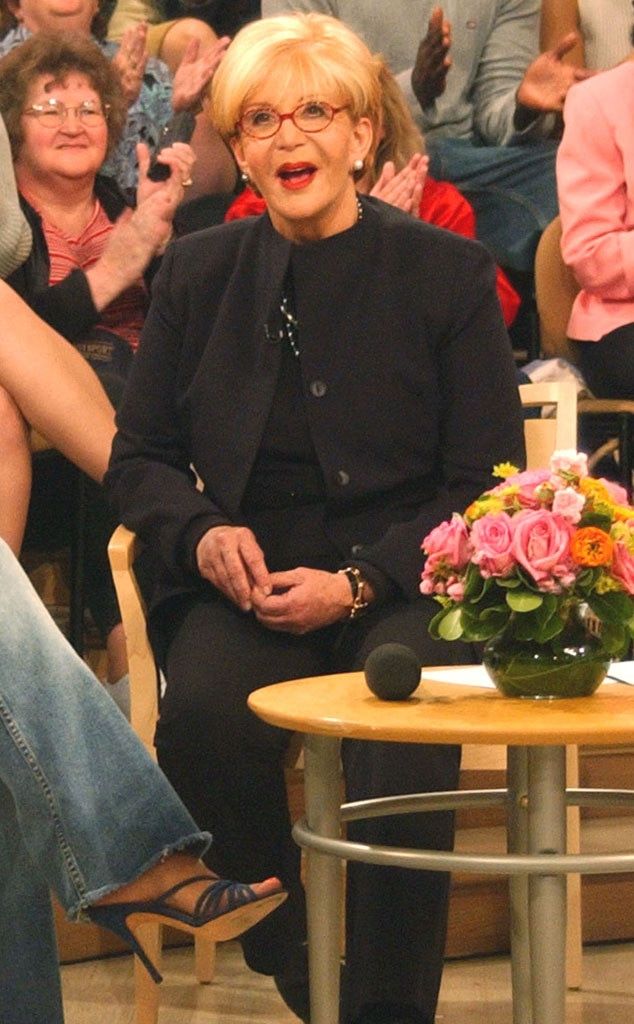
The first and most obvious was public accountability When someone with absolutely no awareness walked onto the Jerry Springer stage convinced that their behavior was perfectly reasonable, the audience disabused them of that notion immediately. Sally Jesse Raphael, with those iconic red-framed glasses and her oversized blazer, had a gift for calling people to the carpet with a kind of no-nonsense clarity that was genuinely clarifying. There was a social check built into that format. If you were living your life sideways, the talk show was a mirror that showed you exactly how sideways it was.

The second function was subtler but just as important: those shows (Springer, Ricki, Jenny Jones) scratched an itch that nothing else can scratch. World Star tried, but it never gave a true moral resolution, just drama. The drama, through juicy and satisfying to watch in other people’s lives, while your own lives remain drama free. Having a salacious talk show with a host to contextualize the issue, the drama, and calling out the delusional b*llsh!t. There is something deep in the human brain that craves this. It’s not lowbrow. It’s not shameful. It’s just simply human need and trait. And the talk show, at its salacious peak, was the only format that delivered it reliably, consistently, and at scale.

Third, and perhaps most surprisingly, those shows snuck in genuine education. I have always given credit to Bill Nye the Science Guy and Star Trek: The Next Generation for sparking my love of science. But if I’m being honest? Maury Povich and his DNA tests deserve some of that credit too. Hearing “you are NOT the father” week after week made me genuinely curious about how DNA testing worked, how paternity could be proven, what science looked like. Furthermore, it was a stern reinforcement of why people should use birth control and protection. The number of people sleeping with the whole town always had me asking about STIs.  Ricki Lake, meanwhile, was doing something quietly radical normalizing LGBTQ+ relationships and pushing back against homophobia at a time when mainstream culture was far less willing to do so. These shows were not as dumb as they looked.

 Why Social Media Doesn’t Fill the Gap

When the talk shows disappeared, we told ourselves we had something better. TikTok, Instagram, YouTube, Snapchat are an entire ecosystem of user-generated drama, available twenty-four hours a day. And yet something is missing. The itch is not being scratched. Yes, we had commentators pointing out the issues with the internet drama. It’s not the same. It lacked resolution.

The resolution was mediation and explained the moral of the story. On a talk show, there was always a host a Sally Jesse, a Maury, a Ricki whose job was to hold the space, to name what was happening, to look the person with no shame dead in the eyes and says, “you cannot be serious right now.” Forcing the party to have some accountability. The question of behavior, calling out delusional logic, was built into the architecture of the format. Social media has no such architecture. Drama on TikTok is consequence-free (sidenote not anymore, people are getting divorced, fired from jobs losing sponsorships). You can post your most unhinged behavior and the algorithm will reward you for it. There is no Sally Jesse to drag you to the carpet. There is no studio audience to gasp. There is no moment where someone you respect looks at you and says, clearly and publicly, that your life is in shambles.

And because that moment no longer exists, people no longer know their lives are in shambles. That is the real crisis. It is not that people are behaving badly, people have always behaved badly. It is that the cultural mechanism that once reflected that behavior back at them, that once made them feel the weight of public judgment, has been dismantled. We thought we were evolving past it. What we were doing was removing the mirror.

The Path Forward: Healing and Drama

The answer is not simply to resurrect Jerry Springer format. That moment has passed, and honestly, some of what those shows did was genuinely harmful, it was rooted in racism, homophobia, and the exploitation of vulnerable people for ratings. We do not need to bring that back.

What we need is the next evolution of the format one that holds onto the accountability and the drama while adding something that was often missing: healing. The talk show arc was always supposed to move in this direction. You start with the spectacle “I have sixteen baby mamas and none of them know about each other” and you work your way toward the question underneath it: “why are you like this, and what would it take to be different?” The 2000s and 2010s gestured toward this transition, and hosts like Iyanla Vanzant were genuinely trying to bridge that gap.

The clearest example of what this could look like is Karamo. He saw the void and understood it. He knew that America still needed someone to look a person in the eye and say, without flinching, that their behavior was unacceptable but he also knew that the confrontation had to be paired with compassion, with curiosity, with a genuine desire to help the person find their way out. That is the model. Call out the audacity, then do the healing work. Don’t just expose the wound treat it.

 Conclusion

Let me be direct about something. America is the spoiled, disillusioned child of the world. We have convinced ourselves that we are the greatest, the smartest, the most exceptional while simultaneously being among the most overworked, the most indebted, and the most unwilling to look honestly at ourselves. We demonized the salacious talk show because we wanted to believe we were better than it. We were not. We are not. The soul of this country will not be saved by political speeches or policy debates or any of the other mechanisms we have decided are appropriately serious. It will be saved if it is saved at all by honest, unflinching, occasionally uncomfortable public reckoning. By someone on a stage asking hard questions and refusing to accept non-answers. By a format that says: you can come here with your mess, and we will not look away from it, and we will not let you look away from it either.

Bring back the salacious talk show. Bring it back smarter, bring it back kinder, bring it back with the healing built in. But bring it back. America needs the mirror. We have needed it for a long time.

If you would like more blogs like this… or I will bring Jerry Springer Drama to your door  Ko-fi.com/chemichelletales

What My Retail Job Taught Me About Finding Lost Treasures

What’s the best thing you’ve ever found randomly on the street?

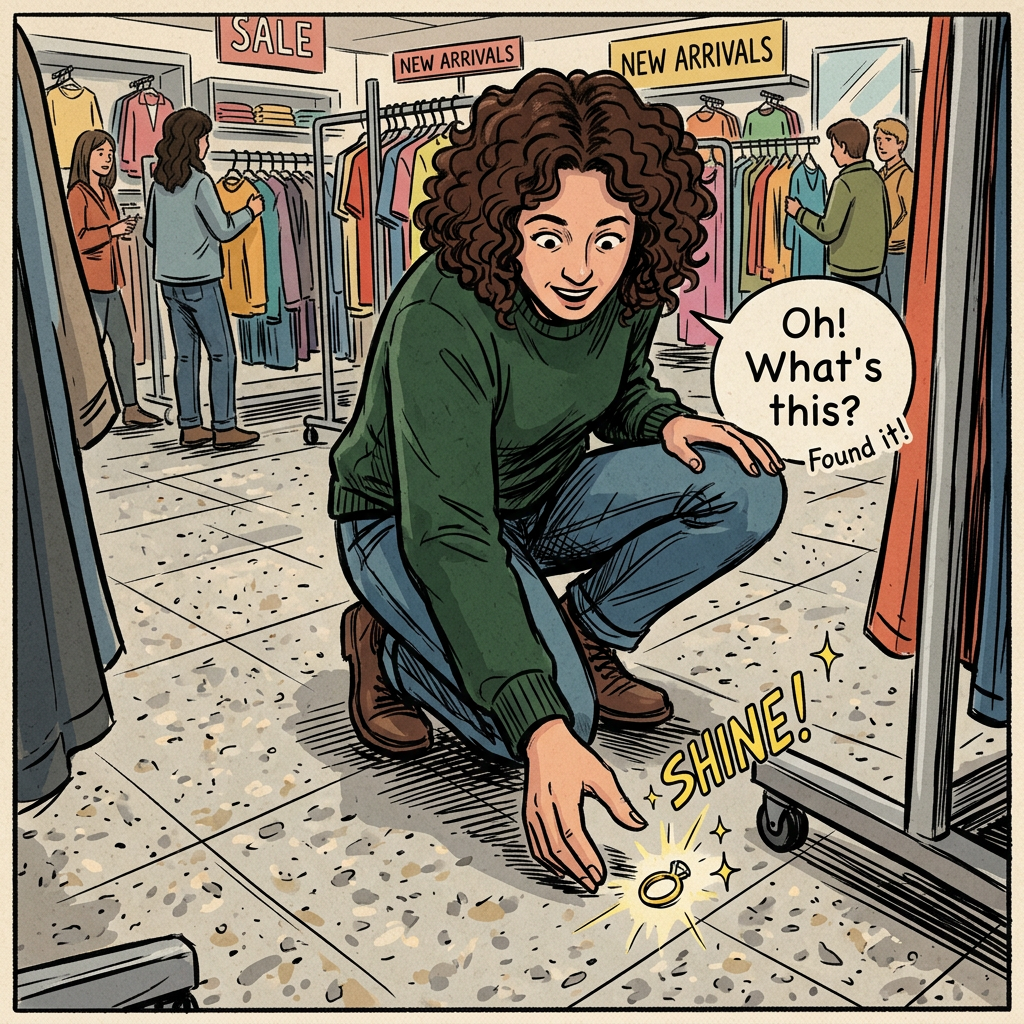
Shopper finding a sparkling ring on the floor beneath a clothing rack
A shopper discovers a sparkling ring beneath a clothing rack during a busy sale.

Whenever you ask people what the best thing they’ve ever found on the ground is, they inevitably say money. It’s always money. “Oh, I found a crisp twenty in a puddle once!” Good for you, Jeff Bezos. A long time ago, I worked retail, which means the ground is less a venue for windfall cash and more an archaeological dig site of human despair. Over the years, my broom has swept up stray toy parts, pocket lint, and, on one unforgettable Saturday morning, an actual, literal intrauterine device. An IUD. Just chilling by the impulse cookie section- the irony. Was it a runaway medical anomaly? A dropped OB-GYN demo model? Did someone shed it in a fit of retail rage? Don’t ask me how I recognized it; retail transforms you into a forensic scientist whether you like it or not.

So, my broom pushed me to sweep the floor in the morning. I heard a CLANG against the store’s baseboards on a Saturday morning. Anything is better than that rogue piece of birth control was my baseline expectation. Instead, I found an absurdly demure diamond engagement ring. To understand how this happened, you first have to understand the sacred incompetence of the retail night shift. I was only in the store at 8:30 AM because my coworkers had sent a text saying, “Sorry! It was so slam-packed last night we couldn’t sweep!” Naturally, being a busybody, I checked the register logs. Their last sale was clocked at 8:01 PM. The store closed at nine. They had an entire hour of paid stillness to push a broom, stock the Snack display, and reflect on their life choices. Instead, they stood around people-watching and did the bare minimum, leaving the store looking like an abandoned storefront after Christmas.

So, I’m aggressively sweeping up their dust bunnies when the broom hit the ring, like a hockey play; I swept it into the baseboard—a real, diamond ring. I did what any reasonable, underpaid 25-year-old would do: I ran it down to a jeweler for an appraisal. The jeweler studied it, looked up at me with dead seriousness, and said, “This is exquisite. Maybe God is trying to tell you that you’re about to get married!”

Now, 25-year-old me had an immediate existential crisis over the fact that my boyfriend at the time was completely wrong for me, meaning God’s retail delivery system had severe targeting issues. Also, not that anyone asked if it slipped onto my ring finger like it had been molded in a laboratory specifically for my hand. Common sense returned and slapped me back to reality. I quickly took it off, placed it in a tiny paper envelope labeled “Customer’s Ring Found on Floor,” handed it to management, and watched it disappear into our bolted-down steel floor safe.

And there it stayed.

For five entire years!

We checked local lost-and-founds. I stalked early Craigslist boards. Silence. The ring sat in the dark behind a combination keypad, totally forgotten, until our store hired a new manager who possessed the specific, greasy energy of someone who views inventory sheets as creative writing. One day, the safe opened, the safe closed, and the diamond was… evaporated into thin air. A few weeks later, half the staff got fired over a cocktail of phantom discounts, register shorting, and the grand theft of a Diamond Ring rock (not quite; it was really people shorting the register that got them fired). The ring was gone, the statute of limitations was ticking, and we all moved on.

Until the ghost of retail past walked through the front doors. Five years after that fateful morning sweep, a woman strolled into the store. She was glowing, thriving, and happily reminiscing about our discontinued caramel nut mixes while visiting from out of state. Then she dropped the bomb: “You know, I actually lost something here right before I moved away years ago.” My broom’s hand twitched. “What did you lose?” “My engagement ring,” she sighed. “It never fit my finger right. I came in on a Thursday night to get snacks for my drive…”

A Thursday. Thursday. My brilliant, hardworking colleagues hadn’t just blown off Friday night’s cleaning duties; they hadn’t touched a broom for forty-eight straight hours. That diamond had been kicking around the carpet through two full business days of foot traffic, surviving purely because our staff was allergic to physical labor. She told me she had retraced her steps on Friday, found nothing, and realized the universe had handed her an exit ramp. Two weeks prior, her boyfriend had proposed, and she’d been harboring immediate, sickening regret from saying yes. When she confessed she lost the ring that weekend, the man utterly detonated, screaming, cursing, and revealing every toxic red flag he owned in one explosive tirade.

The dropped ring was her ticket out. She didn’t want to marry the man; she knew it wasn’t right. After that nasty argument that weekend, she decided to flee the state and start a glorious single life in Ohio. “Ohio,” my brain thought, but I let it go because she looked amazing.  She smiled and asked, “Did anyone ever end up finding it?”

I paused, looking at this radiant, completely unburdened woman who had successfully escaped a terrible engagement because of the wrong ring size.

“Oh yeah,” I told her casually. “I found it that Saturday morning. It sat in our safe for five years until a shady manager stole it and got sacked by corporate. Her face was pure, unadulterated relief. The ring had ruined a thief, dodged a toxic marriage, survived two days of retail neglect, and paid for nobody’s wedding. Sometimes the best things you find on the floor aren’t meant to be kept; they’re just dropped so someone else can finally run.

This was a dramatic retelling of me finding a ring on the floor at work. A lot of factors changed, times changed, and memories aren’t always accurate.

I am always going to ask: if you would like to help me get a right-hand diamond ringà Ko-fi.com/chemichelletales

Blog at WordPress.com.

Up ↑