How do you write what people actually want to read?
A WordPress writing prompt from a few days ago posed a question that plagues every blogger at some point: How do you write what people want to read?
If you run a blog, you know the cycle. You spend hours pouring your soul into an essay you’re convinced is comedic gold or deeply profound, hit publish, and watch the digital tumbleweeds blow past. Meanwhile, a low-effort listicle you jotted down between sips of coffee suddenly drives all your traffic.
We have all been there and it begs the question: Are we chasing an audience that does not exist, or are we just doing this all wrong?
The Stats Don’t Make Sense (And That’s Okay)
I’m currently on Day 24 of a 30-day writing challenge. It’s been an exercise in pushing past creative blocks, figuring out my niche, and obsessively checking post metrics to see what lands.
The verdict? Human attention is completely unpredictable.
Case in point:
I wrote a deep-dive critical analysis arguing why modern culture desperately needs to bring back Jerry Springer-caliber daytime talk shows. I thought it was witty, culturally relevant, and sharp. Result: Crickets. Barely a like, barely a hit.
I posted a quick, candid breakdown of my top five everyday apps. Result: Solid traffic, instant clicks.
I drafted a comedic story about an overdramatic run-in at the grocery store, assuming humor would lead the charge. Instead, my post ranking my favorite Pokémon companions blew it out of the water.
If you try to reverse-engineer what strangers on the internet want on any given Tuesday, you’ll drive yourself mad. You can’t predict what will click, because readers rarely know what they want until it’s in front of them.
The Danger of Writing Only for the Clicks
If I only wrote what “sells,” my blog would turn into an endless feed of trashy erotica overnight. Don’t get me wrong—I love writing steamy, unapologetic romance. There is genuine art and fun in crafting indulgent drama where everyone gets exactly what they want.
But writers are multifaceted. Sometimes I want to write erotica; sometimes I want to write speculative sci-fi about women defying convention; sometimes I want to break down astrology as character analysis rather than mystical fortune-telling.
When you constrain your voice solely to capture mass appeal, you strip out the very friction that makes writing compelling. The moment you start writing exclusively for an imaginary audience’s approval, you kill the curiosity that brought you to the page in the first place.
The Toni Morrison Rule: Fill the Void
Toni Morrison offered what remains the best writing advice ever recorded:
“If there’s a book that you want to read, but it hasn’t been written yet, then you must write it.”
Seasoned writers and mentors have echoed this for decades. Your job as a writer isn’t to survey the market, build a demographic profile, and pander to it. Your job is to look at the cultural landscape, identify what feels missing, and write that exact piece into existence.
Write the piece that makes you laugh out loud while drafting it.
Write a love letter to your younger self that it felt terrifying to put on paper.
Write the raw, emotional witness to an everyday event that nobody else bothered to document.
When I posted a quiet, vulnerable piece reflecting on personal self-worth, it didn’t get thousands of views—but a reader reached out to say it was deeply caring, spot-on, and gave them comfort right when they needed it. That single connection infinitely holds more weight than a dozen empty clicks on a trendy topic.
Write with Abundance
There are over eight billion people on this planet. Your writing is not meant for all of them. It isn’t even meant for 1% of them.
Writing requires an abundance mindset:
The wrong readers will scroll past. Let them.
The right readers will find resonance. When you write with genuine specificity and voice, the people who share your wavelength will eventually track down your work. They will recognize the humor, feel the emotion, and appreciate the perspective.
Your responsibility isn’t to figure out what people want to read. Your responsibility is to write, edit, and put something authentic into the world. The audience doesn’t know what they’re missing until you give it to them.
Over to you: Have you ever published something you were certain would flop, only for it to resonate widely—or vice versa? How do you balance writing for yourself versus writing for your readers?
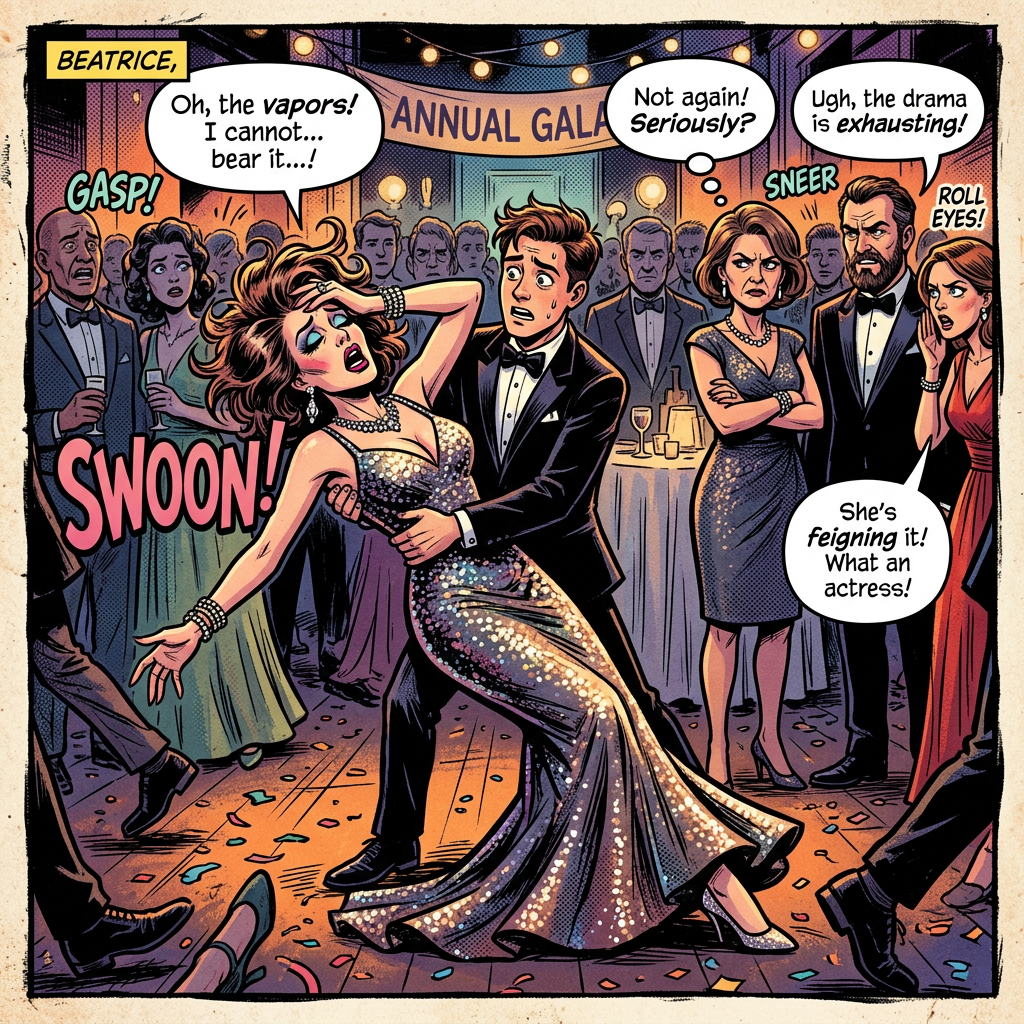
At the annual gala, Beatrice dramatically swoons as guests react with disbelief and concern.
I am still ruminating over a stranger catching an attitude with me, at Sprouts of all places. But this moment has now created two essays to finish the 30 Blog posts in 30 days, and they’re pretty strong, according to the people in my life, and a stranger with a stank face and probably an itchy butthole. I have been living in a state of high theatricality since approximately the 80s. I was recently informed once again that I am “overdramatic.” Naturally, I spent the rest of the evening silently ruminating on this diagnosis, holding a full-blown internal tribunal while processing a quiet loss.
It got me thinking about my lifelong track record with this label. It turns out that society’s definition of “overdramatic” usually means “having a physical or emotional reaction to something actively happening to you.”
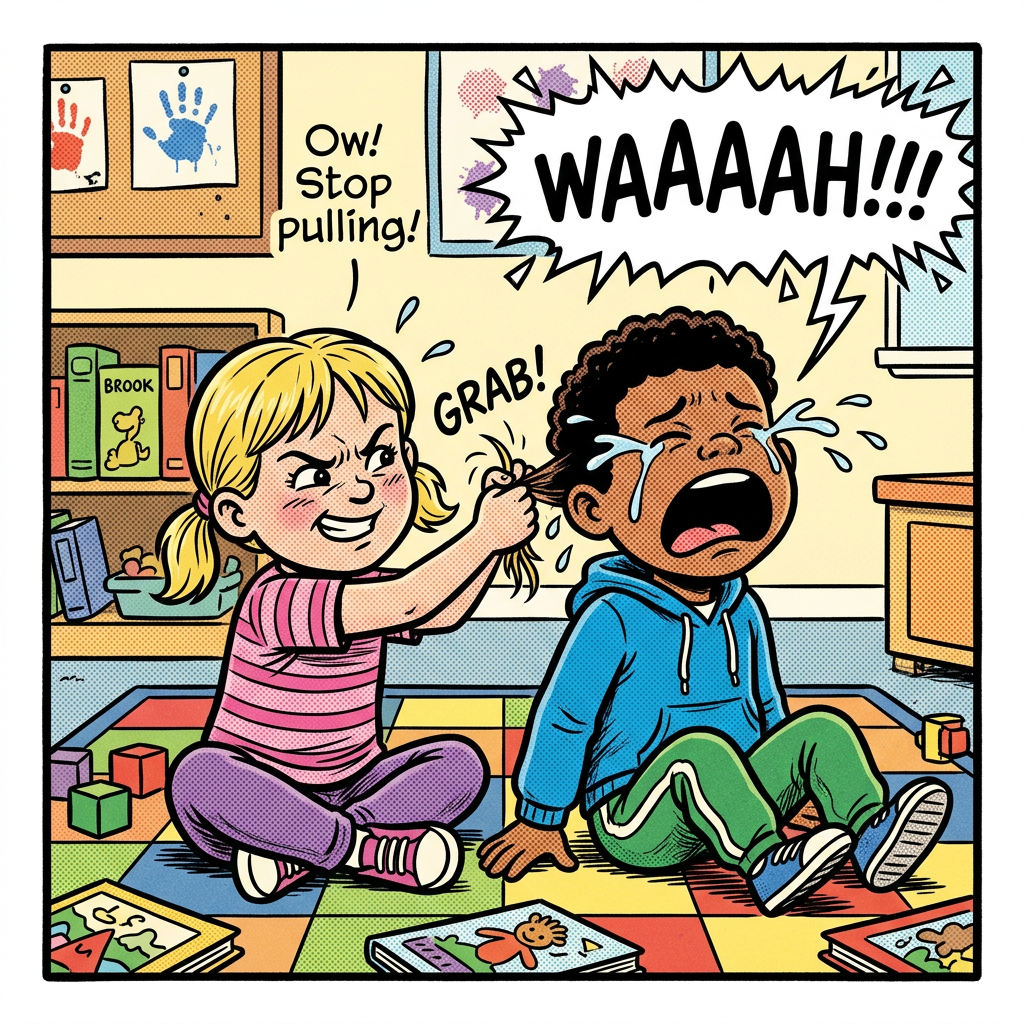
A comic-style classroom scene shows a child pulling another child’s hair as he cries out in pain.
Take my early childhood, for instance. In pre-K, a classmate casually bit me on the cheek. I cried, as one does when being processed as a snack, and was promptly scolded for overreacting. In kindergarten, another child barged into my bathroom stall while I was using the toilet. I screamed to defend my dignity, only to be branded the problem child for breaking the peace.
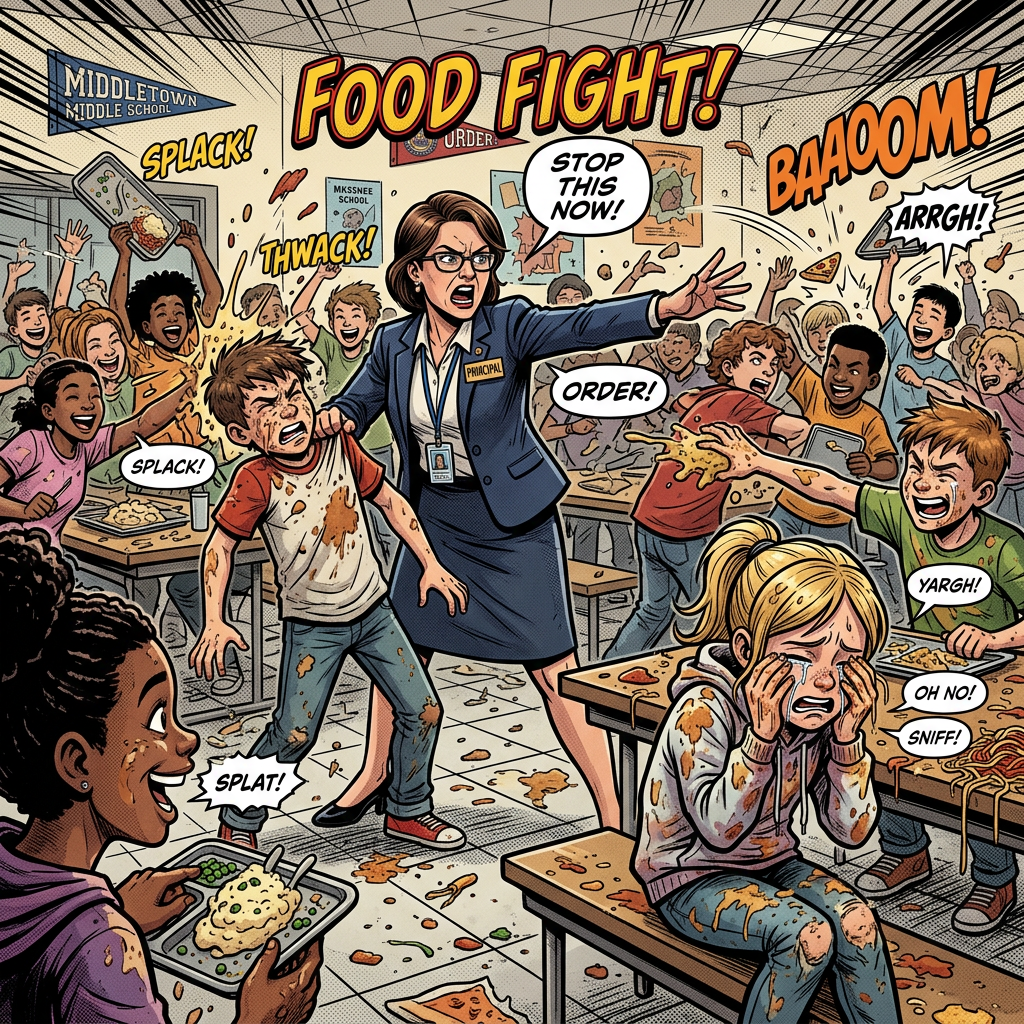
By middle school, the stakes grew higher. During a cafeteria food fight, a boy launched a rogue apple directly into my face with missile-like accuracy, shattering my glasses and swelling my eye shut. Vice Principal Mr. Levy, who, mathematically speaking, is likely retired or floating in the great beyond by now, handed me detention. The offense? Crying too loudly about having an apple hit my eye, and my left eye starting to happen in my socket. When my grandmother pointed out the absolute logical absurdity of punishing the kid with the broken face and crushed specs, the school’s defense was essentially: “Well, she was being dramatic.”
A furious principal struggles to stop an all-out food fight in the school cafeteria.
Looking back, none of these moments were acts of hyperbole. I wasn’t throwing myself onto a fainting couch because the local café ran out of oat milk; I was experiencing basic human cause-and-effect. A bite hurts. A broken pair of glasses hurts. Grief hurts. But when you are labeled “the dramatic one,” your genuine pain gets reclassified as a performance.
Don’t get me wrong, I can admit when I’m being extra. I have the heart of a theater kid, even if I ended up better suited for stage crew than the spotlight. I know what true drama looks like, and I am fully capable of owning up to my own theatrics when I actually pull them. But there is a massive difference between putting on a show and simply refusing to be emotionally paralyzed.
We live in a culture that seems increasingly obsessed with emotional constipation. We are expected to take hit after hit, literal or metaphorical, with the cool, stoic detachment of a statue. If you react, you’re “doing too much.” If you speak up, you’re “emotionally dumping.” We’ve weaponized therapy to tell people to sit down, shut up, and keep their feelings tucked neatly away where no one else has to look at them.
The irony is that denying people the right to feel doesn’t eliminate emotion; it just forces it to curdle. We end up in a society of suppressed human pressure cookers, wondering why everyone is perpetually on the edge of flying into a rage over the smallest things.
True maturity isn’t about feeling nothing; it’s about knowing the time and place. I know how to be neutral and professional at my desk. But at home, watching a sad film or sitting with the grief of losing someone who loved and cared for me for forty years, I claim the right to be human. I demand the right to cry.
Having feelings doesn’t make you a disaster; it just means you’re awake. The next time someone tells you you’re being “overdramatic” for reacting to real life, consider the source. Often, people who demand total stoicism from others aren’t practicing self-control; they are just uncomfortable with the messiness of real human connection. And honestly? They might be the ones who need a little therapy.
AM I THE DRAMA? A One-Woman Tragedy in Four Bottles of Alkaline Water (they were .69 cents a bottle a steal)
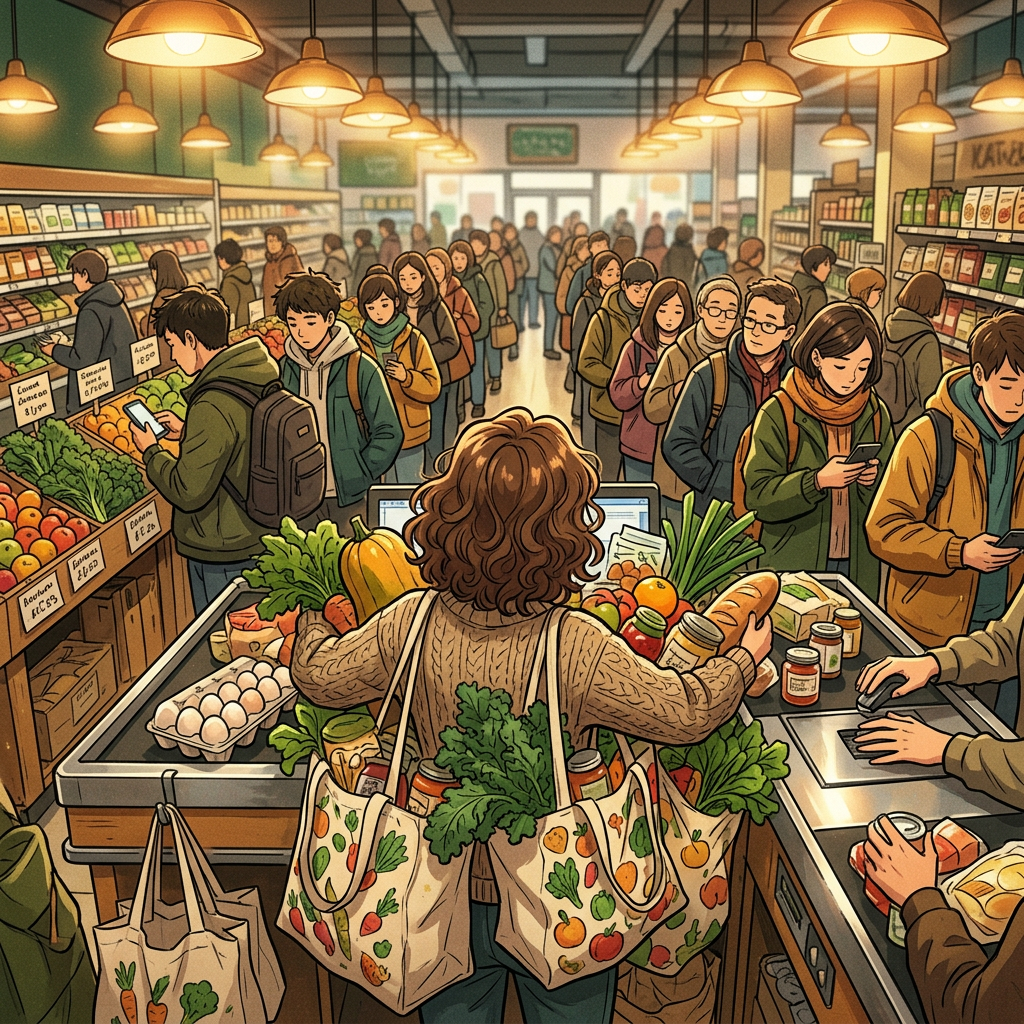
Shoppers fill a warmly lit grocery market while selecting fresh produce and everyday essentials.
“They say, “Cardi, you tweakin’,” nah, I don’t be tweakin’ enough Bitches be doin’ shit, and I been letting it slide, and I don’t be bringin’ it up Bitches be out here tellin’ lies about me, and y’all just be eating it up But when I drag her to hell, “Cardi, you evil as fuck”” – Cardi B “Dead”
Picture it. A Monday. Not just Monday. My Standard routine with my true evening ritual: I go workout and sweat the stress of the day away. Then I go to Staples run to make my copies for trivia, and then and only then the hallowed grocery pilgrimage for lunch for the week. I typically go to Trader’s Joes but tonight I chose Sprouts. I chose poorly.
I walk into Sprouts, a little to happy-go-lucky I am in my Stepford Wives mindset. I end up with the iconic Strawberry Poppy Salad and 4 bottles of alkaline water. I am trying to be healthy. I am working on my self-improvement. No kombucha, because I am TURNING OVER A NEW LEAF, thank you very much. I gather my sad little salad and my four bottles of fancy water like the disciplined baddie I’m trying to become.
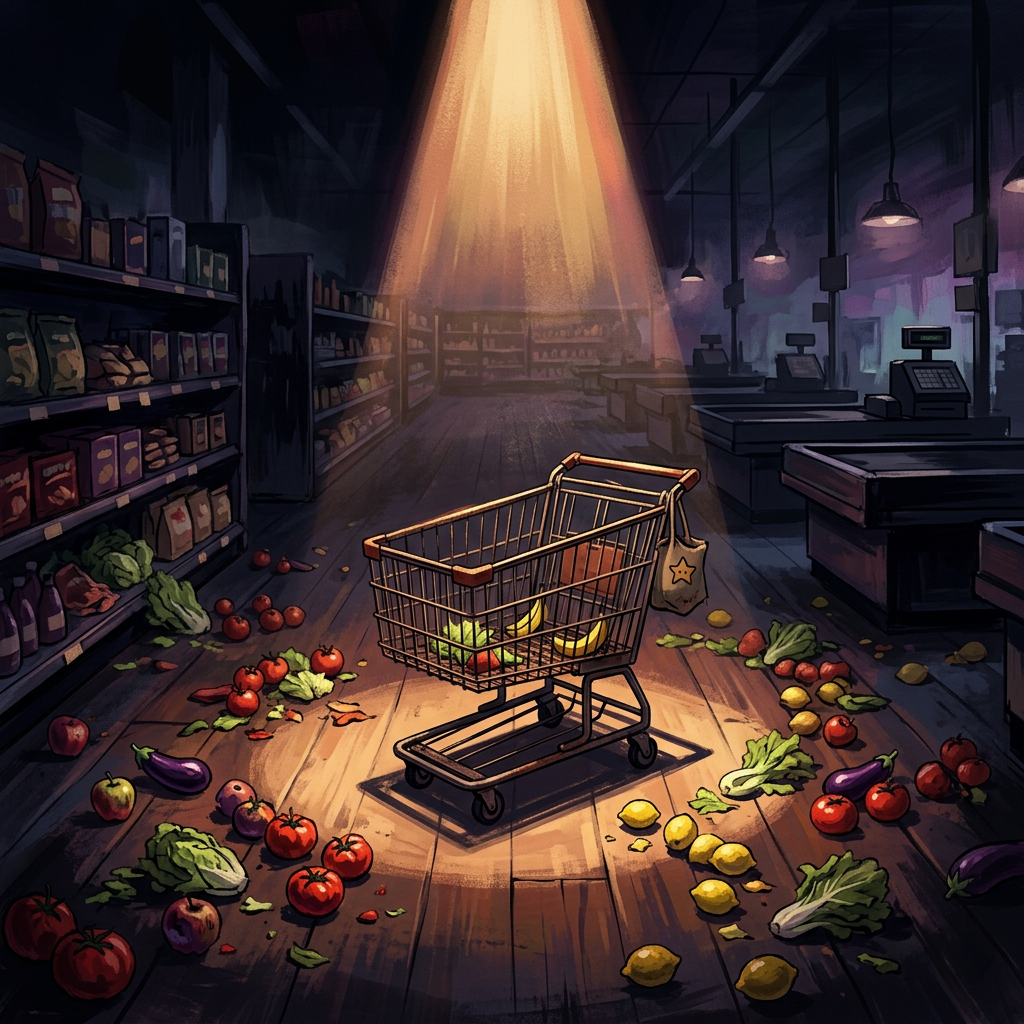
A lone shopping cart stands amid scattered produce in a shadowy grocery store aisle.
And then. THEN!!! I approached the register. I forgot to put the gray bar up to separate the items from the customer in front of me. Forgetting about the sacred conveyor belt divider, that tiny plastic bar that separates each customer, is a crime against humanity. I place my items down like an absolute rookie, and this woman with a bad weave and attitude turns to me with the fury of a thousand suns and snaps, “Can I finish?” rolling her eyes so hard I felt the breeze. I was wondering if she rolled any harder could she see her past life? A part of me wishes I channeled my inner Cardi B, but I channeled my inner Catholic.
I apologize. Dramatically, sure, I’ll own that “OMG, I AM SO SORRY”. But I was SINCERE. And she has the AUDACITY to tell me “Stop being dramatic?? Ma’am. Ma’am. You are the one rolling your eyes, from me forgetting the little gray divider. It’s you, YOU ARE THE DRAMA. The projection of frustration, on a stranger, on me!!! The absolute projection happening at register 1 of a Sprouts on a Monday night.
So, I slink off to another line like a woman exiled from the line of purchasing, and the universe says “We are not done with you yet” the next two cashiers proceed to psychologically ice me out. One’s staring at his name badge like it holds the secrets of the universe. I’m standing there, water bottles and salad, wondering if I should just leave the salad and my dignity behind and drive home in shame.
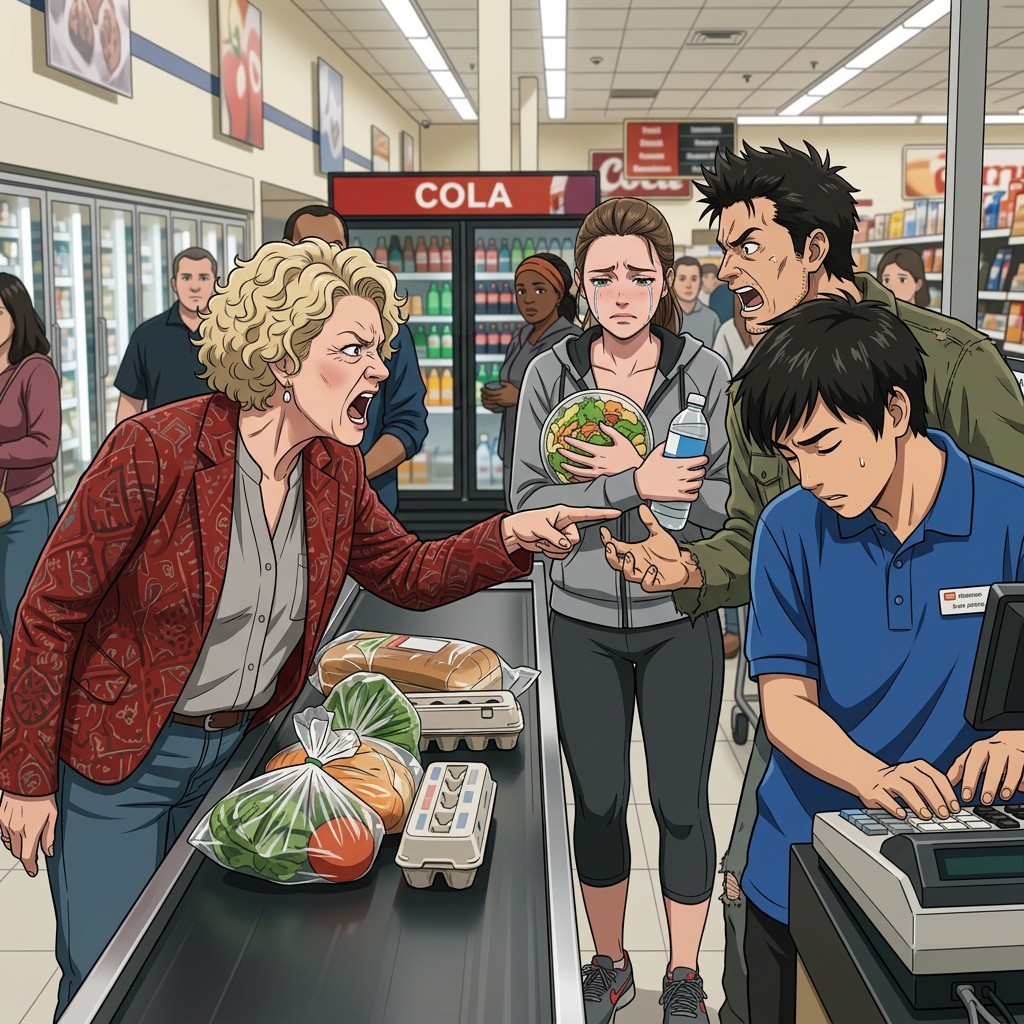
A tense grocery checkout interaction unfolds as a customer questions the cashier while another shopper waits nearby.
It would be great to say I persevered. I got my salad. I got my water. I got home. But I didn’t, I instead put all the items back and left. As someone who desired that delicious salad, while trying to load 2027 Baddie up. One thought echoed through my head was she now thinks I’m dramatic, and honestly? I might be proving her right by mapping out every other Sprouts location in a 30-mile radius. So, I never have to see her again. Is that dramatic? Absolutely. Do I regret it? We’ll revisit going to THAT Sprouts in November of 2028.
But here’s the real ending, I left with no food, because I felt disrespected. Past the bit: that customer was having a bad day that had nothing to do with me, and for one hot second I almost let her bad mood become my bad mood too. I didn’t. I said sorry, I took the L, I left without my Strawberry Poppy Salad. But I kept my Monday intact, with the good vibes I was feeling.
That’s the whole lesson, dramatics aside somebody else’s nasty attitude is theirs. You can hand it right back to them without ever picking it up yourself. I will get a better salad another day, and that delicious Strawberry Salad with feta cheese can feed another person, just not me. I ended up with a bag of Smartfood White Cheddar Popcorn, so much for being a baddie.
He Said She Was “Too Loud.” The Stars Said Y’all Don’t Belong Together. Both Are Problems
By Che Michelle · Astrology Enthusiast & person way too invested in the Megan and Klay breakup.
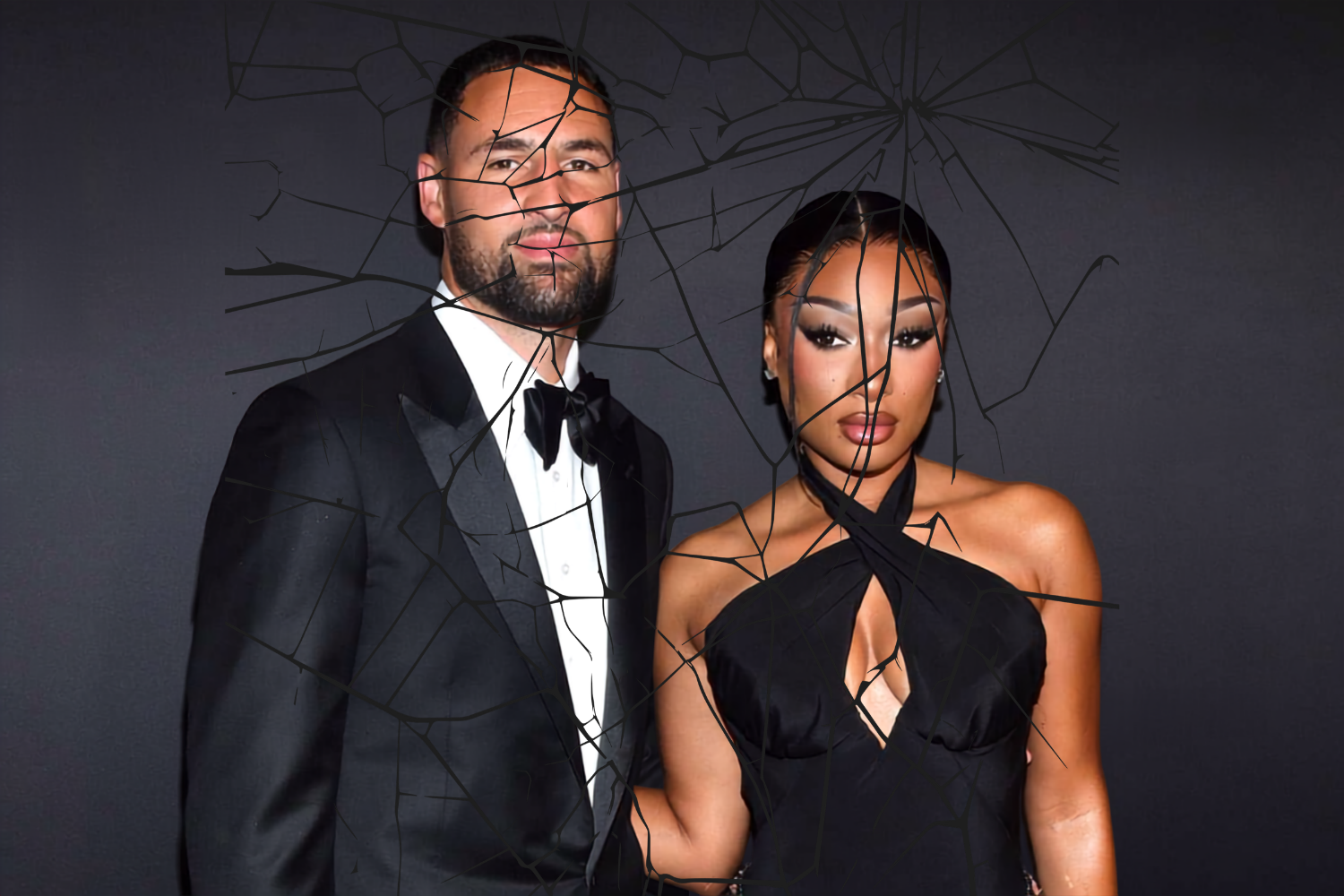
Let’s talk about the diabolical relationship of *coughs, coughs* Klay Thompson and the Hot Girl Coach Megan Thee Stallion.
Specifically, let’s talk about the part where Klay Thompson, a man who’s spent the better part of a decade throwing up half-court shots in front of thousands of screaming fans and calling it work, had the unmitigated gall to say Megan Thee Stallion was too loud. As Black women, we all know what “TOO Loud” means.
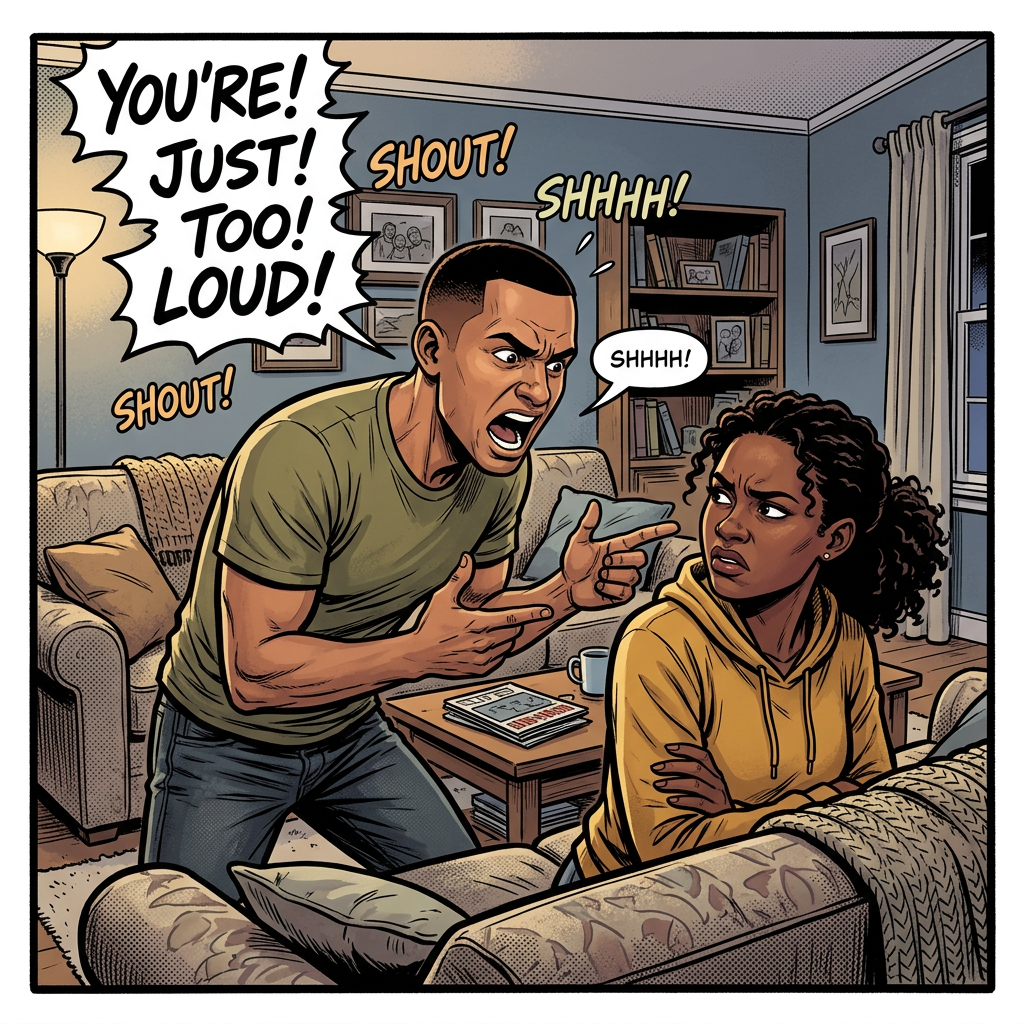
A partner shouting while the other looks frustrated.
Sir. You play in arenas. You are paid to perform in front of noise. You generate noise bouncing a 1.4-pound basketball up and down the court. And your complaint about one of the most successful women in hip-hop is that she was too much? Too loud? Too ghetto? Too present in her own life? [I almost inserted Too Short favorite word, but I think you beneath it.]
I need everyone to sit down, because we are going to talk about what actually happened here. I mean really talk about it, with receipts, with charts, and with the kind of clarity that only comes when you’re willing to look the universe dead in the face and say: baby, the stars tried to warn you both.
The Setup: A Love Story in Two Acts (And One Press Statement That Deserved No Press)
Once upon a time, Megan The Stallion, born Megan Pete on February 15, 1995, in Houston, Texas, stepped out publicly with Klay Thompson, born February 8, 1990, in Los Angeles, California, and the internet lost its entire mind. They were gorgeous. They were tall. They were both at Megan’s foundation, the Pete & Thomas Foundation gala, looking like someone’s vision board come to life.
And then about 8 months later (give or take a month), it ended.
And then, allegedly through the grapevine, came the commentary: she was too loud. Too ghetto. He prefers to keep his options open, aka cheating.
First of all: who let this statement leave the building? Because whoever drafted that press release needs their astrological chart read immediately, because Mercury must have been retrograde in their soul.
Second of all: Megan went from releasing Loverboy, a song dripping in hope and romantic energy, the sonic equivalent of showing up to someone’s door with flowers, to dropping a snippet that, cleanly, devastatingly declared: all that wifey shit is dead.
And honestly? She is Correct. Move accordingly, Meg.
But here’s what nobody is talking about. Here’s the thing that made me put my phone down, pick it back up, and start typing immediately:
These two people were, astrologically speaking, practically the same human being.
The Mirror Problem: When You Date Yourself and Don’t Know It
Let’s pull out the charts, because the universe left evidence.
Both Megan and Klay are Aquarius suns — born just seven days and five years apart. That alone puts most of their personal planets in the same neighborhood. Mercury and Venus don’t wander far from the Sun, which means two people born close together in the calendar year often have nearly identical planetary blueprints, just at different degrees, different aspects, and expressions. I do understand nature vs. nurture; they have different life experiences that have shaped who they are, different levels of love, trauma. Let’s add Saturn fatherly energy in the mix, finding time to kick their ass to success.
And that is exactly what happened here.
Both of them have significant Capricorn placements; we’re talking Mercury, Venus, Mars, stacked up in the sign of ambition, discipline, image, and I-will-build-this-empire-if-it-kills-me energy. Capricorn isn’t warm and fuzzy (I should know; I was raised by a Capricorn and dated a Capricorn, not for the weak of heart). Capricorn is a business plan with good bone structure. Two people loaded with Capricorn energy will be fiercely hardworking, intensely focused on their futures, deeply image-conscious, and here’s the part nobody wants to hear: somewhat emotionally guarded when things get complicated.
And then they both have Leo moons- like, what the hell, have dealt with a Leo moon: the ego traps, the melodrama, the inability to forgive. Leo and Scorpios are two sides of the same coin, and no, I won’t explain further. I have real-life evidence.
A Leo moon is a person whose emotional core is built around pride, performance, loyalty, and the deep, desperate need to be seen and not just loved. Witnessed. Celebrated and made to feel like the most important person in the room, because internally, that’s where they live. Leo moon people are generous, warm, and fiercely protective of the people they love. They are also spectacular when they feel dismissed or disrespected.
Two Leo moons in a relationship means two people who both need to be the star. Two people who both feel deeply and perform those feelings loudly. Two people who, when the relationship starts cracking, will both feel the wound in their identity, not just their heart.
This was never going to be a quiet breakup.
The Twin Flame Trap (And Why It’s Not as Romantic As It Sounds)
Here’s what people get wrong about the concept of twin flames: they think it means a perfect match. It does not. What it actually means — in the original, more complicated sense is that this person mirrors you. Your strengths, yes. But also, your wounds. Also, your patterns. Also, the exact thing you haven’t healed yet.
Taking a moment to say, Meg, Megan takes this as a big sister who has dated weird men. Enjoy your life, be great, love yourself even when it’s hard. Go back, listen to your music, and remember the greatest love story ever told is the love story about you. Not about any man, but you how you found love in a hopeless place and shine bright like a diamond. Oops, sorry, I was listening to Calvin Harris and Rihanna while typing this essay.
Klay Thompson comes from a family of athletes. His father, Mychal Thompson, played in the NBA. His world is structured, legacy-driven, and has a specific idea of what a partner looks like in that context. What Megan reflected to him was the intoxicating feeling of being in the culture, not watching it from the sidelines, but really in it, and the ego boost of being with a woman that everyone wants, of having a presence that fills every room she enters.
Klay isn’t built like Russell Wilson; he needs to take some classes from Mr. Wilson on being present for a successful woman and stop listening to that Drake album.
He wanted the Hot Girl Megan Thee Stallion “the persona.” He got Megan Pete, the real-life human. And Megan Pete has been through real-life, devastating events. Quoting Ariana Grande’s song 7 rings- “Been through some bad shit, I should be a sad bitch/ Who would have thought it’d turn me to a savage?” Megan requires a partner who shows up consistently, with emotional availability, with warmth that doesn’t clock out when the cameras do. What Klay reflected on Megan was the dream she’s always carried: stability, family, someone solid who could hold her when the world got loud.
No, seriously, Klay, I will stay out of men’s business, but my big sister’s energy is oozing out. This is the same advice I would give my brother. You have to know what you personally want in a partner. Not what looks good on paper or to your friends. You may need the more laid-back woman, and not the trailblazer, the Hot Girl Coach, and that is ok. What you won’t do is talk mad shit about her or cheat on her; have some damn dick discipline. Shit, you can go do 8 hours of basketball practice, but as soon as another woman comes around, you start acting like a “Que” in heat.
The problem is that you cannot give someone what you haven’t fully developed in yourself. He wanted the Persona. She needed the Partner. And the stars had been quietly taking notes the entire time. Truly a lesson in wants vs. needs and communication.
What the Capricorn Stellium Was Trying to Tell Them
Here’s the thing about loading your chart with Capricorn energy: Capricorn will make you work. Capricorn will make you build. But Capricorn, especially multiple Capricorn placements stacked together, can make it very hard to be vulnerable. It can make feelings feel like a liability. When you have two equally driven, equally image-conscious people look at each other across a room and think, “I see myself in you,” and not immediately realize that is both the attraction and the warning.
Two people who are both fiercely focused on their image, both ambitious, both emotionally proud they can admire each other enormously. They can push each other to limits they never imagined. They can look unbelievable together in photos.
And when it falls apart, they can also hurt each other in exactly the place it stings most: the ego, the legacy, the public narrative of who they are.
“Too loud.” “Too ghetto.”
That is not a man describing a woman he loved. That is a man protecting his image at the expense of someone else’s. That is the worst of Capricorn: cutting, cold, and image-first, dressed up as a preference.
The Verdict
Megan Thee Stallion deserved a man who heard her laugh across a room and thought There she is with a big smile across his face; the Usher song “There Goes My Baby” should play in their head as she walks across the room. Not “There she is,” and have the lyrics from Kendrick Lamar, “Bitch don’t kill my vibe be her entrance song, and want to say Turn it down to her.
Klay Thompson deserves (a lot of things) to figure out what he actually wants before presenting himself to another woman as an option. Get some therapy. Go travel and do an Eat, Pray, Love adventure.
And both of them, if they ever want relationships that last, need to stop dating their mirror and start dating their complement. Someone who fills in the gaps. Someone who carries what you don’t. Someone whose chart, when laid next to yours, feels less like oh we’re the same and more like, ” Oh, you have what I’ve been missing.
The stars didn’t fail Megan and Klay. The stars were, frankly, screaming an Andre 3000 lyric to them: “My partner yellin’ Too Soon, Don’t do it! Reconsider!/ Read some literature on the subject, you sure?…”
They weren’t listening.
All that wifey shit may be dead, Meg but your era? Your era is just getting hotter: “Big bank take lil’ bank, bitch, add it up/Hoes takin’ shots, but they ain’t in my caliber”
★ Che Michelle is a writer, cultural commentator, and someone who actively asks, ” Why didn’t you consult an astrologer before launching this relationship. She has no formal astrology credentials and remains unbothered by this fact.
p.s. this was in my draft i wanted to add more but i am still on a mission of posting everyday for the month of September. I have sorta failed but I going to find away to pump out 10 more essays/blog post.
Handle With Care: A Survival Guide for Friends of Writers
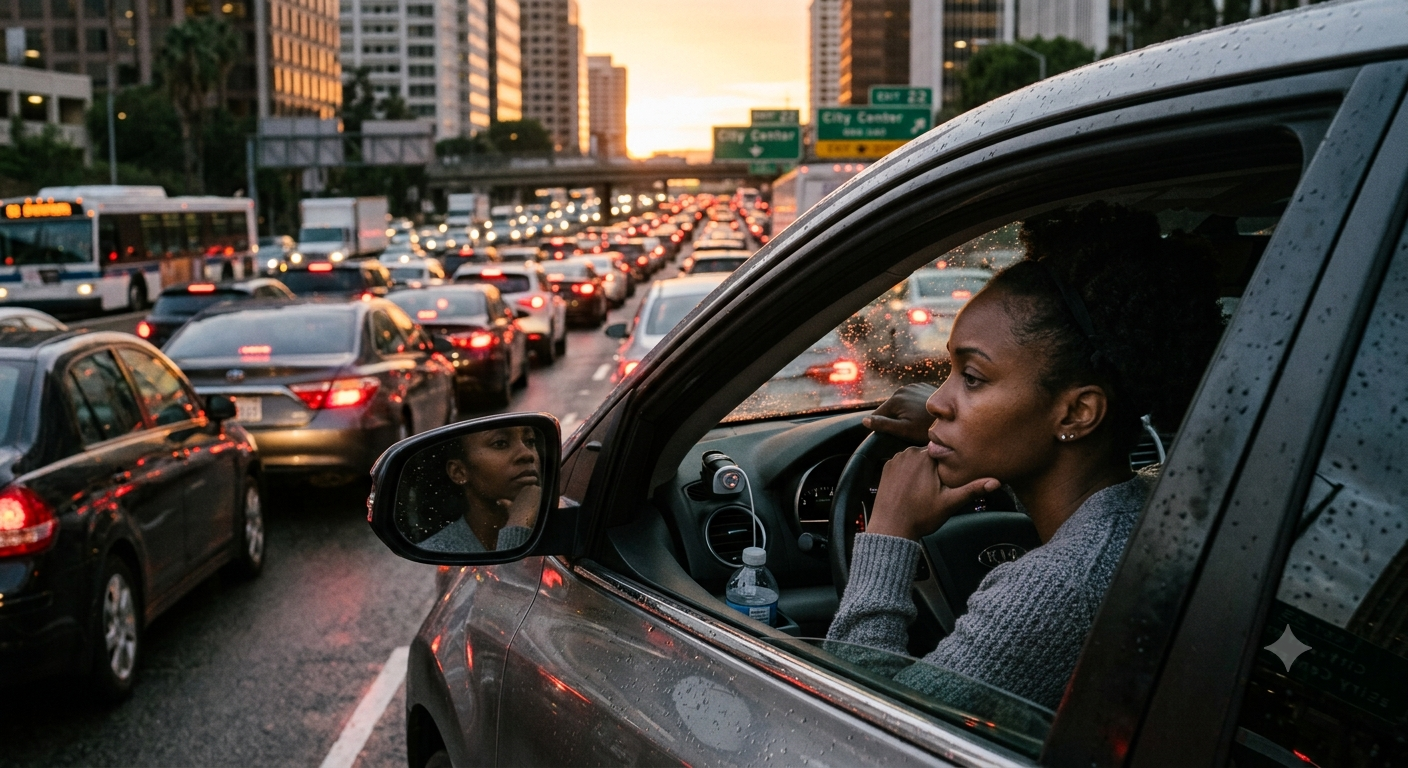
It is a late Sunday night. I am currently sitting in the driver’s seat of my parked car, in front of my house, utterly paralyzed by exhaustion and avoiding the thirty-foot walk to my front door. It’s that sacred, slightly delirious twilight hour when the engine is off, the streetlights hum, and your brain decides: Yes, this is the exact moment to unpack the existential baggage of being an aspiring author.
A few years ago, I attempted to write a book titled The Secret Son of Hephaestus. The premise was born in a writing class: What if Aphrodite and Hephaestus secretly had a son, but Hephaestus had to hide the child in the shadows so his mother, Hera, wouldn’t obliterate him in a fit of Olympian wrath? It was layered, tragic, and entirely mine. Naturally, the moment I pitched the idea, someone chimed in with, “Oh, so it’s basically Percy Jackson.”
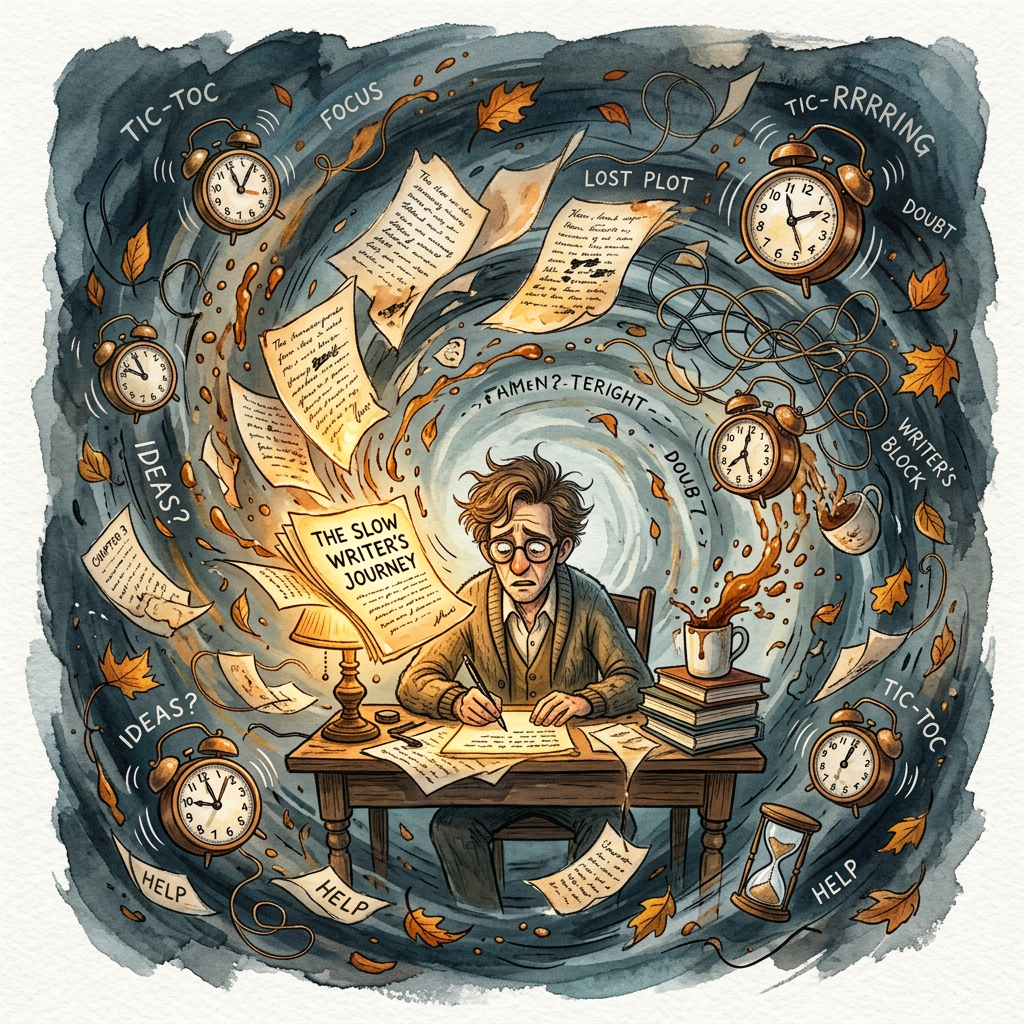
A frustrated writer struggles to create as clocks, tangled thoughts, and unfinished pages swirl around him.
For the record: I have never read Percy Jackson. Nor was it “just fanfiction,” as another friend so cheerfully labeled it. It was a mythological retelling—an ancient and respected literary tradition, thank you very much. But that sting highlights an uncomfortable reality every creative person eventually confronts: Writers and their friends exist in an ecosystem as fragile as a draft saved only on a glitching USB stick.
In my years of typing, stalling, and voice-recording rants in parking lots, I have deduced that every writer has four distinct categories of friends:
The Ghosts: They will never read your work, and they will never support it. If you sent them your manuscript, they’d probably use it as a coaster.
The Cheerleaders Without Glasses: They will never read your work, but they will show up to your readings, buy you coffee, suggest cool indie bookstores, and shout your praises from the digital rooftops. Bless them; we need them.
The Unqualified Critics: They don’t actually understand your genre, style, or creative soul, yet they wield their critiques like a toddler swinging a sledgehammer.
The Unicorns: Cherish them. Guard them with your life. They read your work, remember your characters’ names, and aggressively text you at midnight asking: “When do I get chapter four?”
I recently stumbled upon a viral Instagram post outlining the unspoken rules of loving someone who writes. It resonated so deeply that I felt called out from my car seat. So, as a public service announcement to the well-meaning civilians who share their lives with storytellers, allow me to translate what’s really going on behind the blinking cursor.
1. Hitting “Send” Is an Act of Raw Vulnerability
If a writer hands you a manuscript or emails you a Google Doc, understand that hitting Send took more courage than a lion tamer stepping into the cage. We are essentially handing you our bruised, exposed nervous system printed in 12-point Times New Roman.
I was once on vacation after getting edits back from a writing group. I handed a chapter to a friend whose opinion I truly treasured. They made a parade of polite excuses about how they had “too much on their reading list” to look at it—and then spent the next three days complaining aloud about the terrible published novel they were reading on the beach.
You are not obligated to read my work. Truly. But if you have time to complain about a celebrity memoir you hate, watching you deliberately avoid twenty pages of my soul feels like a slow paper cut. Don’t hit us with, “Oh, the title looks cute!” It’s okay to say, “I don’t have the bandwidth right now, but I’m rooting for you.” Radical honesty beats a transparent brush-off every time.
2. A “Good Writing Day” Can Salvage Our Entire Existence
Writing in the modern world is an uphill sprint through molasses. We don’t live in the 1980s where you could just shut off the cathode-ray television, sit at an oak desk in absolute silence, and hammer out prose without distraction. We live in an era where modern life demands two jobs, libraries close at 5:00 PM, Barnes & Noble tore out all their good tables, coffee shops kick you out by 2:00 PM, and your phone constantly lures you into a thirty-minute TikTok doom-scroll.
Add in real life, depression, and the sheer exhaustion of having ideas in your head but zero energy in your limbs, and stringing 500 coherent words together feels like summiting Everest. If your writer friend announces they had a good writing day, treat it like they just won an Olympic bronze. My boyfriend will light up and say, “I’m so glad you got some writing today!” That single reaction will carry me through the rest of the week.
3. Staring Blankly Out the Window Counts as Hard Labor
When you catch us zoning out into the middle distance, slack-jawed and glassy-eyed, we are not taking a mental nap. We are actively directing a three-act tragedy behind our retinas.
We are deciding whether Janelle would actually slap her boss or insult his loafers. We are blocking scenes. We are figuring out how to describe body language without using the phrase “she let out a breath she didn’t know she was holding.” Once, while sitting in this very car, I watched a bizarre argument between strangers unfold across the street—it had an inciting incident, rising action, and a climax so dramatic it felt like Shakespeare had a fever dream in a suburb. I was taking mental notes the entire time. That wasn’t loitering; that was occupational development. (And yes, wandering a bookstore for two hours is also taxable research.)
4. When We Say the Book Is Trash, Wait Forty-Eight Hours
Every writer has a day where they re-read their morning draft, decide they are an illiterate fraud, and solemnly swear to burn their laptop and take up goat farming. The Secret Son of Hephaestus is currently in literary purgatory because one day I decided the first three chapters were utter garbage.
Give us two or three days. A nap, a sandwich, and a little distance usually reveal that the manuscript isn’t irredeemable trash after all; it just needs a tightened paragraph, a deleted subplot, and slightly better lighting.
5. Specificity Is the Highest Form of Love
If you want to make a writer cry happy tears, do two things: remember our characters’ names, and tell us specifically what made you react.
A coworker once read a romance short story I wrote and casually remarked, “Sophia really deserves her own story after what happened with Camille.” I practically levitated. She remembered Sophia! She treated my imaginary friend like an actual human being!
Saying “It was good” is the conversational equivalent of a pat on the head. But telling us, “I screamed when he slammed the door,” or “This paragraph felt a little rushed, but that one line made me laugh out loud”—that is golden. It proves you were actually inside the world we spent months building in our heads.
At the end of the day, slow writers are still serious writers. Unread writers are still writers. We aren’t expecting our inner circles to act as an uncompensated, unpaid PR agency or a literary agency board.
All we ask is mindfulness. Be honest if you don’t have the time. Be kind if it’s not your cup of tea. But if you’re going to be in the passenger seat of our creative lives, maybe don’t tell us we’re writing fanfiction when we’re trying to build an empire.
Now, if you’ll excuse me, I’ve been sitting in this driveway for fifteen minutes; the car is getting cold, and I have thirty days of blog posts to conquer. Bam. Good night.
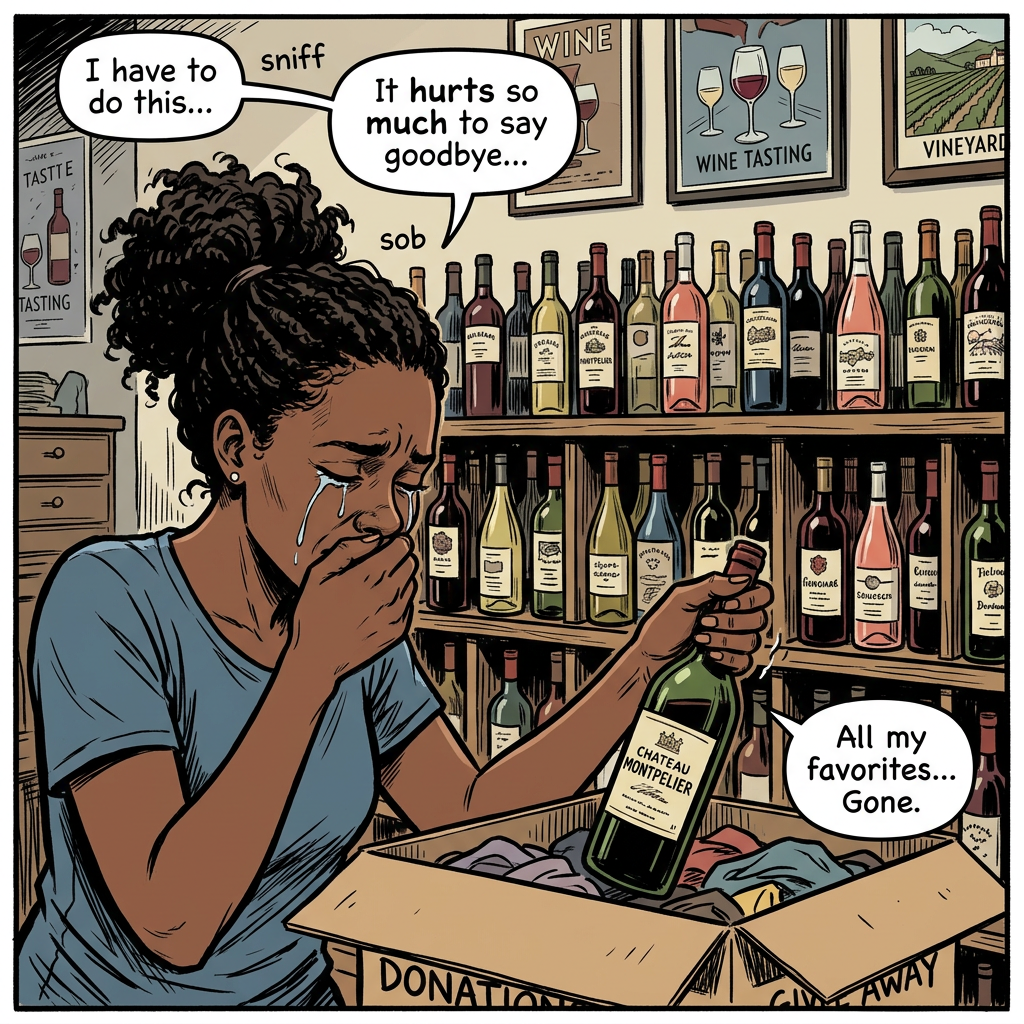
A tearful woman packs her favorite wine bottles for donation, saying goodbye to cherished memories.
Let me say this up front, under oath, hand on the bottle of Sauvignon Blanc I am no longer allowed to finish. Thank you, 40s, for taking the one thing I love. I love, well, I LOVE WINE! I love it the way some people love their pet chihuahua or a decade-old grudge from a frenemy, which they can never remember how it started. But Susan, when I see you in the streets, it’s at sight! I digress; I love wine, in an unhealthy way, but I also know when to stop. At one point in my life, I dreamed of becoming a sommelier. I saved up money and dreamed of opening a local wine shop, with the shop name in cursive on the awning. Special tastings, book events, even cooking classes. I understood wine as a language and a culture before I understood it as a drink. I grew up Catholic, so during communion we would take a sip of wine to represent the blood of Christ. On milestone birthdays, or even special occasions, a bottle of champagne was customary. The glass of wine to toast a life well lived before saying goodbye to a loved one, because some things are too big for words, and a toast feels right before saying goodbye forever. I was raised in this culture; I learned how wine pairs with meals and events, and how it’s used. My family introduced me to the fine culinary rituals of wine, the same way other families introduce kids to Little League early, with the confidence that I’d be good at it.
So understand what follows is not a wine takedown. It is a eulogy to say goodbye to an aspect of my life that I outgrew, or my Liver said no more. And like most eulogies, it has three parts, and only two of them make me look good.
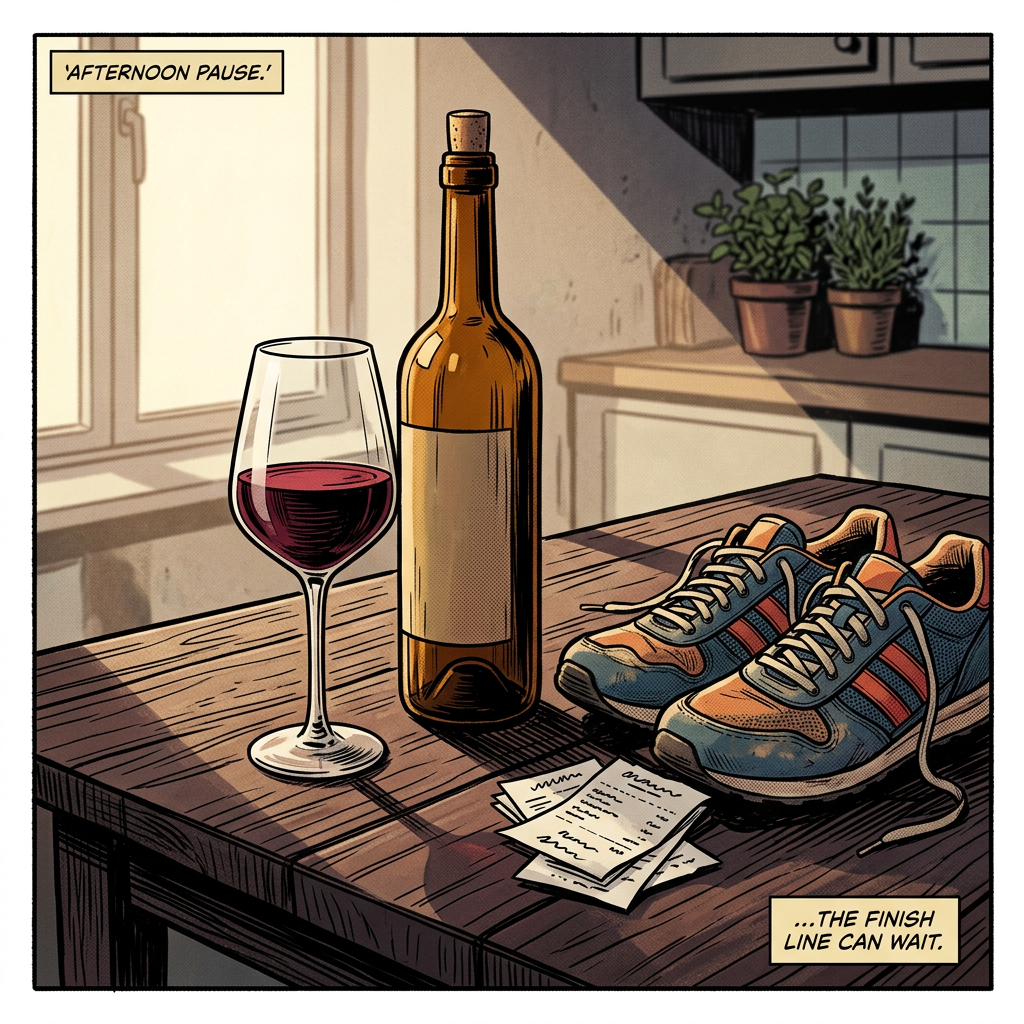
A glass of red wine and running shoes invite a well-earned afternoon pause.
Reason One: My Body Filed a Complaint
Somewhere around 2023, I noticed I was gaining weight despite working out three- to five-mile runs, weight-lifting, and watching what I ate. My body betrayed me and packed on the pounds, disrespectfully. The weight I was gaining was the fitness equivalent of studying all night and still failing the test. Turns out the problem wasn’t just the wine. Hormones were changing and not letting any ounce of fat go, turning everything into visceral fat. It didn’t help that over the two years, a parade of fitness instructors and trainers seemed personally offended by my request to train my back, shoulders, and arms instead of doing squat variation #47. I want a total body workout, not just a booty buster. I am not that girl; give me some deadlifts and chest press. For the love of GOD, let me do a clean and press for 15 reps, for three rounds.
I want a sculpted back. I want defined arms. I would like, once, to finish a workout without someone implying that my only redeeming quality is my corn-fed, hills-walking booty that I have because of genetics. One trainer straight-up asked if I wanted “a fat ass for my man. “Ma’am. I don’t give a fuck about what a man wants! This is my body. I am the one who lives in this body. I get to decide what it looks like, not some future man.” I digress; I’m in my 40s now, and my liver, gallbladder, pancreas, and any other organ have opinions on my wine intake. Opinions I did not ask for! But trying to keep my internal organs healthy and happy. An overrated fine, and necessit..) I made the boring, responsible decision to save wine for special occasions. If I do decide to partake on the rare occasion I must drink, I must have wine before 8 p.m., like I’m a toddler. I plan the next day around “detox.” This is not glamorous. This is a grown woman doing math before a glass of pinot noir. The indigestion, four extra pounds, and elevated liver enzymes are not worth it. And to the person already forming the words “You shouldn’t drink at all! It’s bad for you!” Kindly keep that to yourself.
Reason Two: My Bank Account Filed a Complaint
This reason is the least poetic and the most honest: money. I work two jobs. In a fair universe, that buys me unlimited $15 bottles of wine on sale with a coupon. We do not live in that universe. We live in a universe where someone thought Herbert Hoover’s idea of tariffs was a great idea, as a bottle of Italian wine goes from $7.99 to $18.99 because, say it with me, TARIFFS! Before I turned 40, I spent roughly a few hundred dollars a year on wine, which, written down like that, is not bad. These days it’s closer to a hundred, maybe less, spread out over a year. I have learned to nurse a bottle slowly as it owes me money. I even stopped gifting wine, mostly because everyone I know has quietly done the same math I did, or has become a wine snob. Please read the next paragraph for better context. Cutting the wine budget was, unglamorously, one of the best financial decisions I’ve made. No cinematic redemption arc here. Just a woman choosing her savings account over a Cabernet, and feeling, against all odds, pretty good about it.
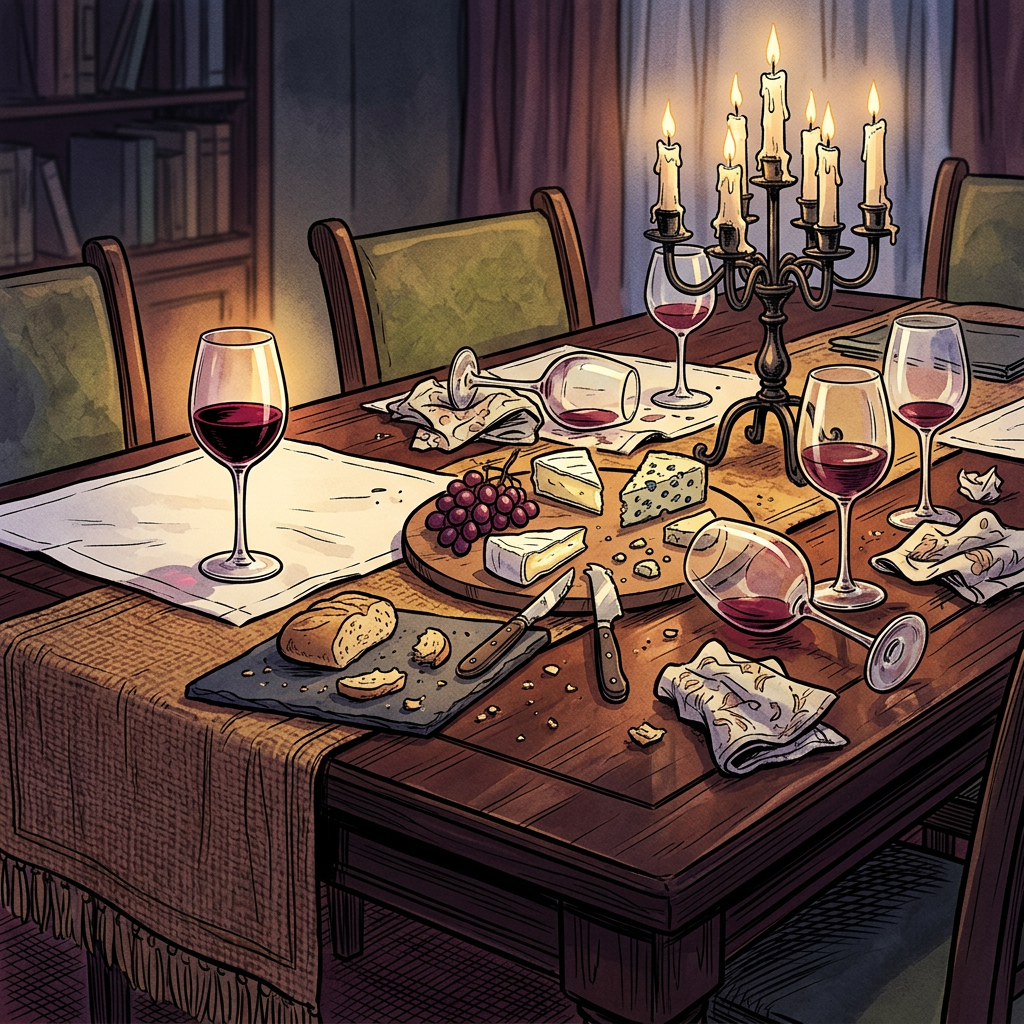
A warmly illustrated dining table invites guests to enjoy wine, cheese, and candlelit conversation.
Reason Three: My Friends Ruined It, and I Will Not Be Taking Questions or Opinions on this hot take
Here is the actual dagger. Not my liver. Not my budget. It was my friends. Et Tu -Bianca, Et Tu! (Pause if you don’t know the Et Tu line; go read Julius Ceaser. Read the classic if you want to learn the 48 laws of power, not the Robert Greene Book; back to our crafted Rant.
Somewhere along the way, a portion of my friend group transformed from “people who enjoy wine” into wine “SNOBS,” a much more insufferable species of wine lover. Not the fun kind of wine lovers who have restaurant connections and a taste for the elusive bottle of wine. They actually know all the history and details, smiling as they regale you with their time in France learning about this wine. (Shout-out to Fred from Total Wine, amazing teacher, sarcastic wine lover; I would have a glass with you anytime.)
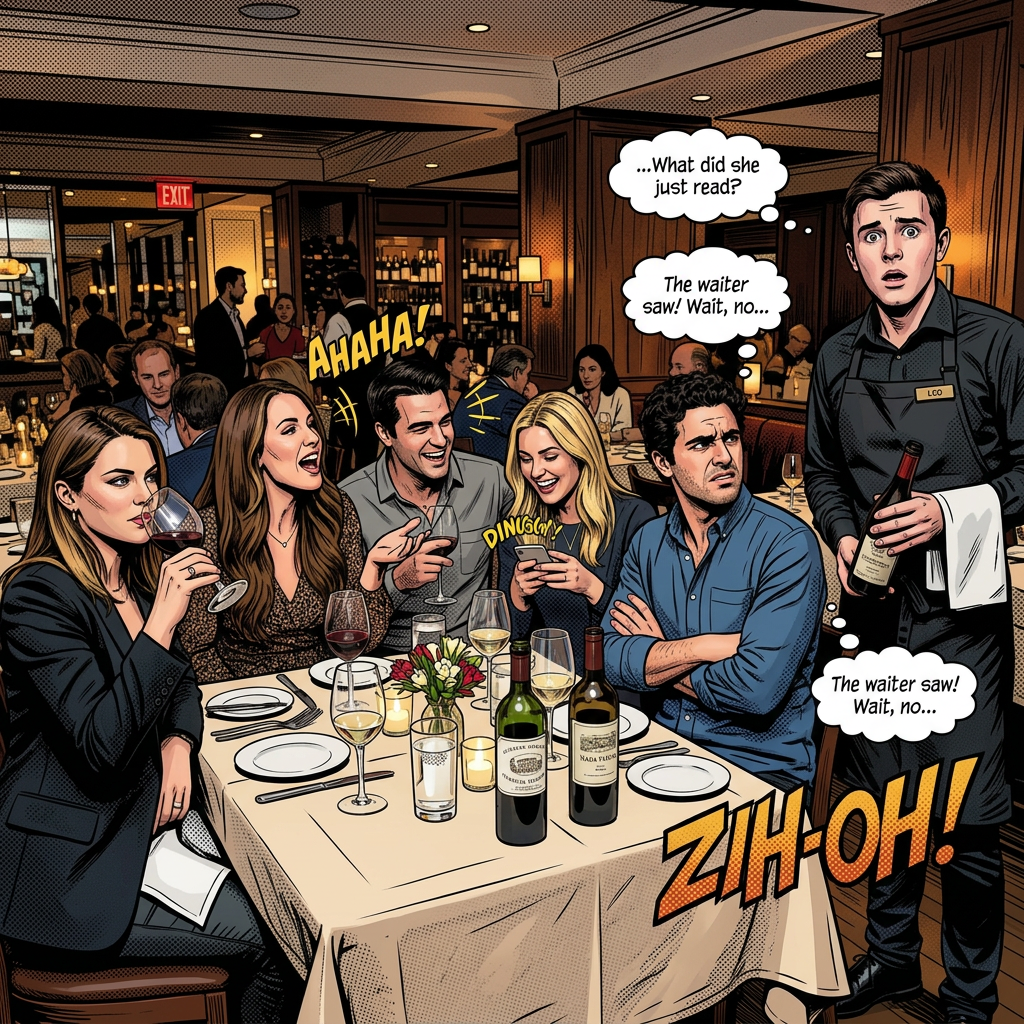
Friends share wine, laughter, and conversation during a lively restaurant dinner.
I mean the kind who cannot let an opinion pass unchallenged, even when the opinion is mine, about my own mouth, tasting wine with my taste buds; case in point: the champagne and fried chicken incident. Pause, I know that wine and Fried Chicken can go together. However, not all champagne pairs well with fried chicken. It’s like eating a banana with coffee; your breath will smell like Hot Sh!t. On this day, that particular champagne had the word ” aperitif ” on its label. An aperitif is a pre-meal palate-waker/cleanser, not a companion to fried food. This particular wine didn’t work for me with fried chicken. I was not asking for a debate. I was reporting sensory data from my own tongue. And one of my friends at the table decided this required a rebuttal, inevitably ending with the suggestion that, of course, it would pair with fried chicken. I quietly ate and drank nothing that evening. You are not going to tell me this wine complements the fried chicken when the wine was clashing with salt and oil and, on top of that, the cool charcuterie of cheese and prosciutto.
Another time, someone not worth calling “Friend” decided to force me to have Riesling with my meal. Hear me out, I love Riesling, but it has its time and place. It follows a spectrum from super sweet to super dry. No, these are not sommelier terms, but I had dreams of becoming one, and obviously, if you are reading this, I am not a sommelier. The wine arrived with our meal. I was having roasted fall vegetables with a spice element and a dry Riesling, which messed with my tongue; I tasted more bitterness and a metallic taste. I personally wanted a nice Red to complement the Smoked Paprika and chipotle seasoning. The other person smiled and grinned, saying, “Isn’t it great?” My face as I watched them eat their smoked fish and try to act like it was the perfect pairing. You can drink wine with anything, but sometimes it’s ok to ask the server for a suggestion or trust your taste buds rather than force a fake smile. Ahh, those vegetables deserved a better wine. Before someone says, the Riesling would have been fine, again my taste buds, my mouth, my digestive system.
Then there’s the Snooty friend at dinner, ordering red wine with a small speech attached, the pointed looks exchanged between me and the server, like we’re all confused about the speech for ordering wine. Meanwhile, I’m eating my vegetables, telling the server, “ Please bring me the wine the sommelier or chef suggested with the meal.” Now I would like to state that I know that I am just as pretentious as my snob friends. You know when people are staring at you, judging you, and saying “oh, you ordered that?” or “I am surprised you ordered that?” Looking at the server giving the knowing look, we understood each other and what was exactly happening: they’re upselling the bottle with the highest markup, and I would rather trust a stranger’s inventory than sit through a monologue about tannins from a friend who just learned the word 10 minutes before dinner.
I don’t want wine to be the whole conversation. I want it to be the icebreaker, not the entire evening’s agenda. I don’t need a treatise on why you, personally, deserve the Riesling. I need you to relax, order the Moscato you actually want, and talk to me about literally anything else: politics, Bravo, the weather, our various ongoing personal collapses, the horrible co-worker that you hate. Drinking with these particular people didn’t make me feel included. It made me feel like I’d wandered into a time-share seminar I never signed up for. To be clear, it’s not all friends; there’s a small, beloved exception to this rule: the friends who will always get a glass poured in their honor, no questions, no commentary. The friends who understand the wine is a part of the experience, not the experience. They invite you over to watch TV and have wine and food on deck. The TV is on mute, with ambient lighting to enhance the laughter of friendship. Just a wonderful time with people who love you more than being pretentious. A good time. You know who you are. Everyone else: you turned my favorite ritual into a performance review, and I stopped attending.
The Verdict
So here’s the accounting, in order of how much it hurts to admit: I stopped drinking wine for my health, because the body in your 40s does not forgive the way your body in your 20s did. I stopped for my finances because a savings account and investments are, shockingly, more satisfying in the long term than a $15 bottle with a coupon. And I stopped, honestly, because a handful of people decided that loving wine wasn’t allowed to be simple anymore. Turns out a pretentious wine snob is a special kind of insufferable, worse, even, than someone who won’t admit they’re wrong. Both are annoying, but it turns out they’re related and deserve each other.
P.S. I had a bottle of wine it was called Clean Slate Riesling 2024. It was amazing ! I need to get another bottle ASAP. Would you like to buy me a glass of wi…coffee 😊 →Ko-fi.com/chemichelletales
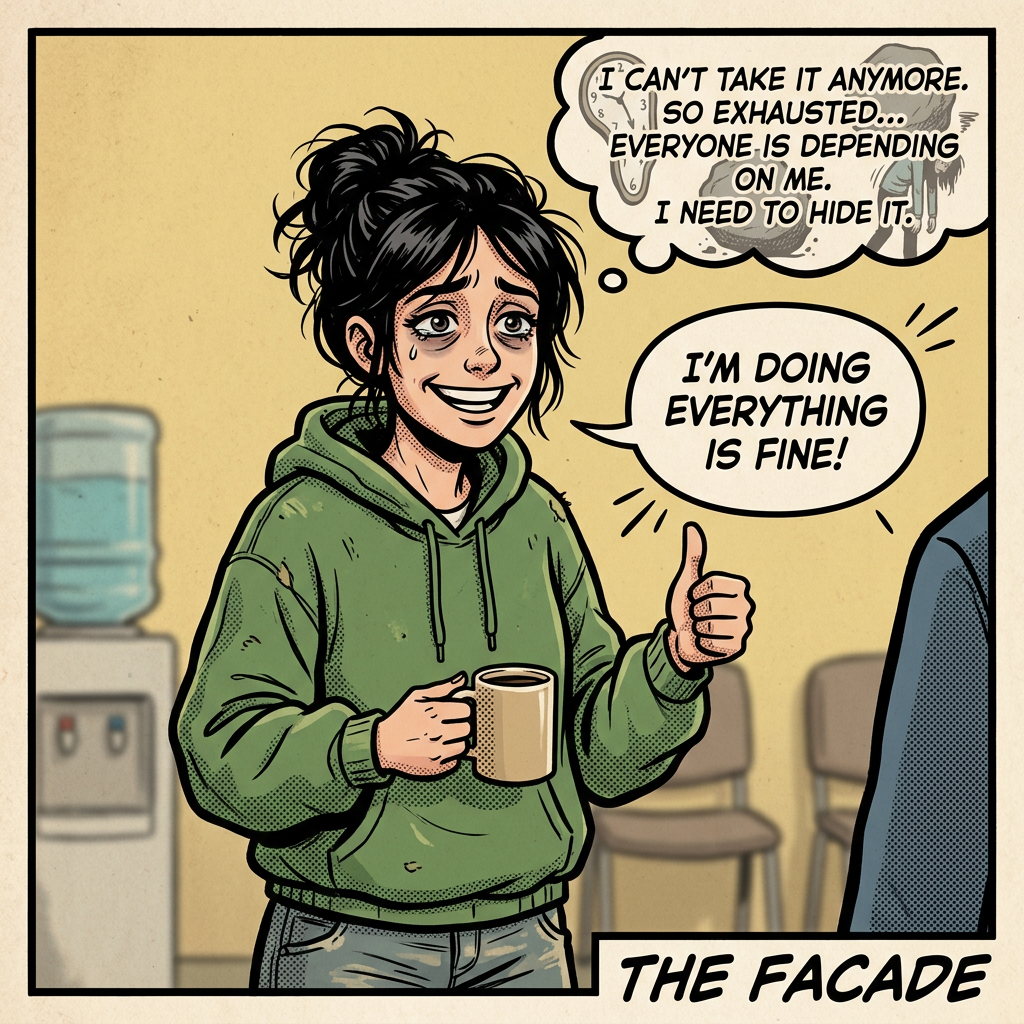
A tired worker hides overwhelming stress behind a reassuring smile and thumbs-up.
“I’m on the pursuit of happiness, and I know/ Everything that shine ain’t always gonna be gold/ Hey, I’ll be fine once I get it/ I’ll be good”- Kid Cudi.
We treat happiness like a destination. Chase it long enough, the thinking goes, and you’ll finally arrive and stay there. But that idea is backward, and it’s setting people up to feel broken for no reason.
Happiness Isn’t a Permanent State
Happiness is tied to a moment, not a lifestyle. It’s the spike you get from a specific event like getting good news, nailing a deal, or a great surprise, not a baseline you maintain forever. Psychologically, it works like a dopamine response: something raises it, then it comes back down. That’s not a flaw in the system. That’s the system.
The cultural script we’re handed says otherwise. We’re told to “pursue happiness,” as if catching it means we’re set for good. But that pursuit can become its own trap, chasing a peak as though it’s a permanent address instead of recognizing it as a visit.
What We Actually Mean Is Contentment
Most of what people call “being happy” is really contentment: a steady, low-key sense that life is okay, that you can handle what’s in front of you. Contentment doesn’t spike and crash the way happiness does. It’s the quieter, sturdier feeling underneath the highlight-reel moments.
Joy is a third, related thing — a recurring capacity to feel light and good, even though it coexists with hard stuff. The people who seem genuinely joyful aren’t immune to sadness or depression. They don’t treat hard days as proof something’s wrong with them. They feel the rough day, name it, talk about it, and move back toward joy without faking their way through the gap.
Why the “Be Happy Always” Pressure Backfires
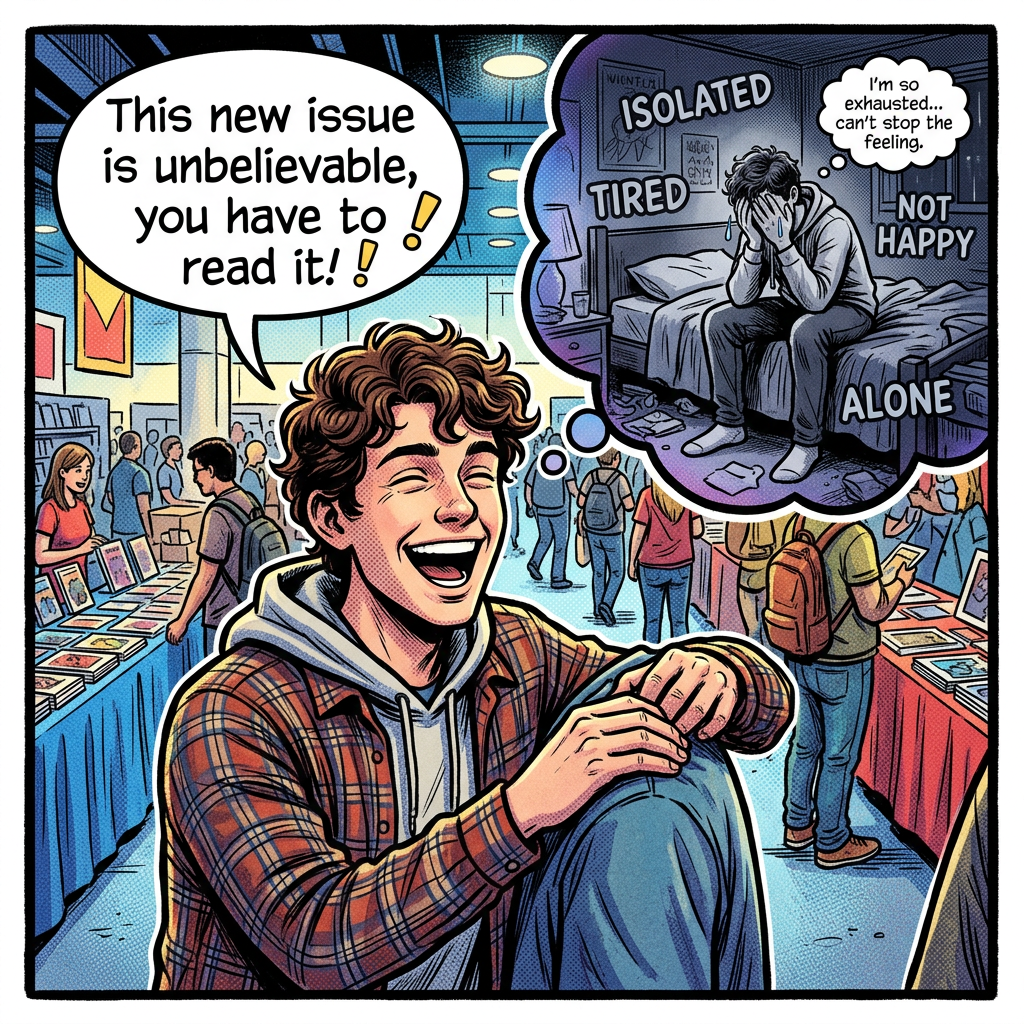
A cheerful convention attendee conceals feelings of isolation, exhaustion, and unhappiness behind a bright smile.
Telling someone they need to be happy all the time quietly tells them something is wrong with them whenever they’re not. And the truth is, no one is happy 100% of the time; that’s not a personal failure, it’s just how happiness works.
Worse, pushing nonstop happiness as the goal can edge toward something that looks a lot like mania once it’s sustained too long or too forcefully. Authenticity matters more than constant cheerfulness. A person who’s “on” all the time, no exceptions, is worth a second look, not celebration.
Faking it also has a real cost. Forcing yourself to perform happiness instead of working through what you’re actually feeling leads to burnout, and once you experience burnout, it’s much harder to recover from than an honest bad day ever was.
A Better Way to Talk About It
Sadness isn’t the same as depression. Feeling disturbed, sad, or grieving something doesn’t mean you’re broken; it means you’re human, and you’re allowed to feel it. Letting people name their emotions accurately, instead of forcing everything into “happy” or “not happy,” gives them room to actually process what’s going on.
A healthier approach looks like this: something good happens, you notice it, you sit in gratitude for it, and happiness grows out of that rather than demanding a constant happy state and panicking when it slips.
The Real Misconception
The myth isn’t that happiness exists. It’s that happiness is supposed to be constant. It isn’t, and it was never meant to be. What we should actually be building day to day is contentment and joy, with happiness as the bright, occasional spark that visits on top of them. Once we stop conflating the three, we can finally use the right language for what we’re feeling and stop mistaking an honest bad day for a sign that something’s broken.
An Open Letter to Every Bad Driver in Baltimore (You Know Who You Are) Let me set the scene. It’s Saturday morning. I have one goal: get to my free dance fitness class, get my sun, get my vitamin D, be shining and brined. Instead, I get a masterclass in why nobody in this city knows how to drive anymore. Here’s what happened, and here’s everything I learned about humanity in the process.
The GPS Lied to Me My GPS said ten minutes. I believed it, because apparently I have not learned my lesson after twenty-some years of this app betraying me. Ten minutes turned into fifteen minutes stuck in one spot, for a destination that was two minutes away. Two. Minutes. Why? Construction, and zero traffic cops to direct the chaos. So there I sat, marinating in my own poor life choices, wondering if I should just park and walk the rest of the way. (I did not. I am not that strong.) Do Not Block the Intersection, I Am Begging You!
This is not a suggestion. This is not a vibe. This is the law, and yet every single day someone decides their five minutes matter more than four lanes of traffic. If you block the box, you are now sitting in the intersection on a red light, which means you have doubled the violation. You didn’t save time. You created a second traffic jam on top of the first one. Congratulations, you’re now the problem and the punishment. Nobody Uses Their Turn Signal Anymore and I Refuse to Accept This When did we all collectively decide that using a blinker was optional? It is not optional. It is a tool. It exists so the person behind you does not have to guess your intentions like you’re a mystery box. If I’m going straight and my signal isn’t on, do not honk at me because you wanted to turn. That’s a you problem. Slow down or go around. I promise I will not take it personally if you pass me, in fact I might speed up out of spite, and then you’ll be mad for a whole new reason.
A Brief and Unnecessary Physics Lesson If you’re riding my bumper in the right lane while I do the speed limit, please know that I have done the math. Going five or ten miles over the limit does not get you there dramatically faster. It gets you there a few minutes faster and significantly more likely to be dead. Force equals mass times acceleration, the human body can only absorb so much of that force before something inside you gives up, and I would like to keep my organs exactly where they are. Speed limits exist because somebody already did this math for us. Take the win. (Side-eye directed squarely at anyone doing seventy-five in a fifty-five like the laws of physics were personally written to inconvenience them.)
To the Person Doing 35 on I-95 During Rush Hour
Listen here, hon, I need you to hear me before I call you stupid or ask, “Are you Dumb?” The highway is not the place for this. If your car cannot safely handle highway speeds, that’s a mechanical problem, not a personality trait, and it needs to go to a shop, not onto a road where everyone else is doing sixty-five. If you’re scared to drive at highway speed, there is no shame in that, truly, but the solution is a rideshare or a rental, not turning I-95 into a rolling roadblock at nine in the morning. City streets exist. Please use them. Everyone Is Just Rude Now, and I’m Tired No signals. No thank-you waves. No basic courtesy. Just horns, attitude, and everybody acting like their destination is more important than everyone else’s. Traffic isn’t just bad because of construction or rush hour. It’s bad because we collectively stopped being decent to each other behind the wheel. It’s a two-way street, literally, and treating it like your own personal racetrack does not make you look powerful. It makes you look like you have somewhere to be and nowhere to grow. The Only Solution That Actually Worked I put on Prince’s “Purple Rain.” Traffic cleared shoot out to Goddess Inanna for that vibration hack( https://www.instagram.com/reel/DWIOdglAC2U/?stkn=MXQ2cGN4a3NwMWJ5cw==) . This has now worked for me twice, so as far as I’m concerned it’s science at this point, not a coincidence. Do with that information what you will.
In Conclusion If you don’t remember the rules of the road, go take a defensive driving refresher. If you’re an aggressive driver because you have a big truck and main character energy, maybe put some of that gas money toward therapy instead. I say this with love, and also as someone who is absolutely one of the bad drivers sometimes. We are all works in progress out here. I missed my dance class. I made it to my backup class instead, because I refuse to let bad drivers take two workouts from me in one day. And honestly, that might be the real lesson here: traffic will test you, but it will not stop you from getting your steps in. Drive safe. Use your signal. Don’t block the box. And maybe put on some Prince.
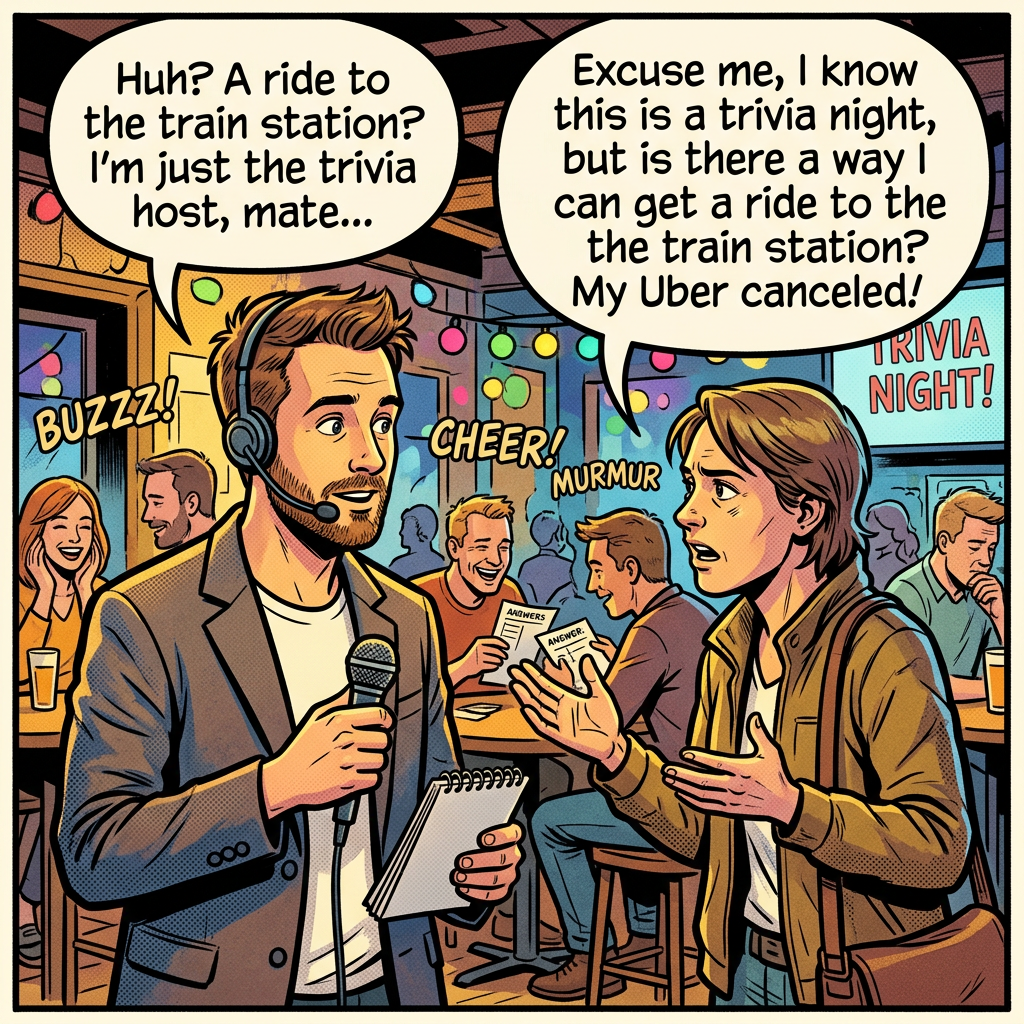
A trivia host tries to help a stranded guest reach the train station during trivia night.
Another WordPress writing prompt from August 2026 that I saved for this 30-day challenge. Question: What’s the weirdest coincidence you’ve ever experienced?
There is a massive neon sign invisible to the naked eye that must be tattooed directly across my forehead. It doesn’t say Welcome, and it certainly doesn’t say Sensible Adult. No, it clearly reads: Designated Shepherd of the Lost, the Confused, and the Mildly Terrifying. I have a fatal flaw. I possess a heart entirely too big for the Mid-Atlantic region, paired with a dose of Catholic guilt to prevent people from accidentally orchestrating their own demise.
Take, for instance, a rainy night at Stan and Joe’s in Annapolis back in 2024. I was hosting trivia, a respectable side hustle, that requires intense focus, reading comprehension, and the ability to ignore drunk people arguing over the capital of Nebraska. ( The Capital of Nebraska is Lincoln.) Enter a woman from the Northeast with a dream, zero grasp of Maryland geography, and a plot straight out of a low-budget indie thriller.
Between my trivia questions, she casually announced she was taking “the night bus” to Washington, D.C., to finalize paperwork on a house she didn’t want to live in. In a torrential downpour. From downtown Annapolis. At 8:00 PM. Now, anyone with a single functioning brain cell knows Annapolis public transit clocks out when the sun goes down. (I have been schooled that their transit system does not clock out at sundown, but it does not head to DC.) There is no magical night bus. No secret subway tunnel links historic dockside pubs directly to the Washington Monument. When I broke the news that she was stranded, she looked at me like I had personally canceled the transit grid. Naturally, her backup plan was to “just catch the train.” Honey, what train? I thought to myself, my left eye starting to squint.
Because the universe decided I was her court-appointed guardian angel, I had her call her friend and verified she wasn’t completely hallucinating a friend who lived in DC. Once verified, we struck a bargain: wait until I finish yelling about pop culture to the midshipmen and millennial players. I would drive her all the way to Baltimore Penn Station so you can catch an Amtrak to DC. She agreed, and since the rain still hadn’t stopped, it was a decent deal.
Did she wait quietly? Absolutely not. While I was on the mic, she peppered me with her entire lifetime backstory, eventually announcing, unprompted, “You know, I’m a Libertarian.” Pulling out her pocket-sized Constitution. Ma’am. I am reading a question about The Golden Girls. I do not care about your stance on America’s fiscal policy; I care that you don’t freeze on West Street.
I finally loaded this mysterious runaway into my car. I thought to myself: Was she an undercover spy? A time traveler? An alien seeking safe passage out of Anne Arundel County? Was a black SUV full of syndicate hitmen pulling up to the bar ten minutes after we left? The drama my brain created was better than any Netflix drama. I navigated construction traffic, listened to a podcast-worthy monologue about her existence, deposited her safely at Penn Station by 11:00 PM, and sped off to pick up my mother from work, wholly accepting that I am a giant sucker.
That was Hitchhiker Number One: a woman who weaponized sheer helplessness.
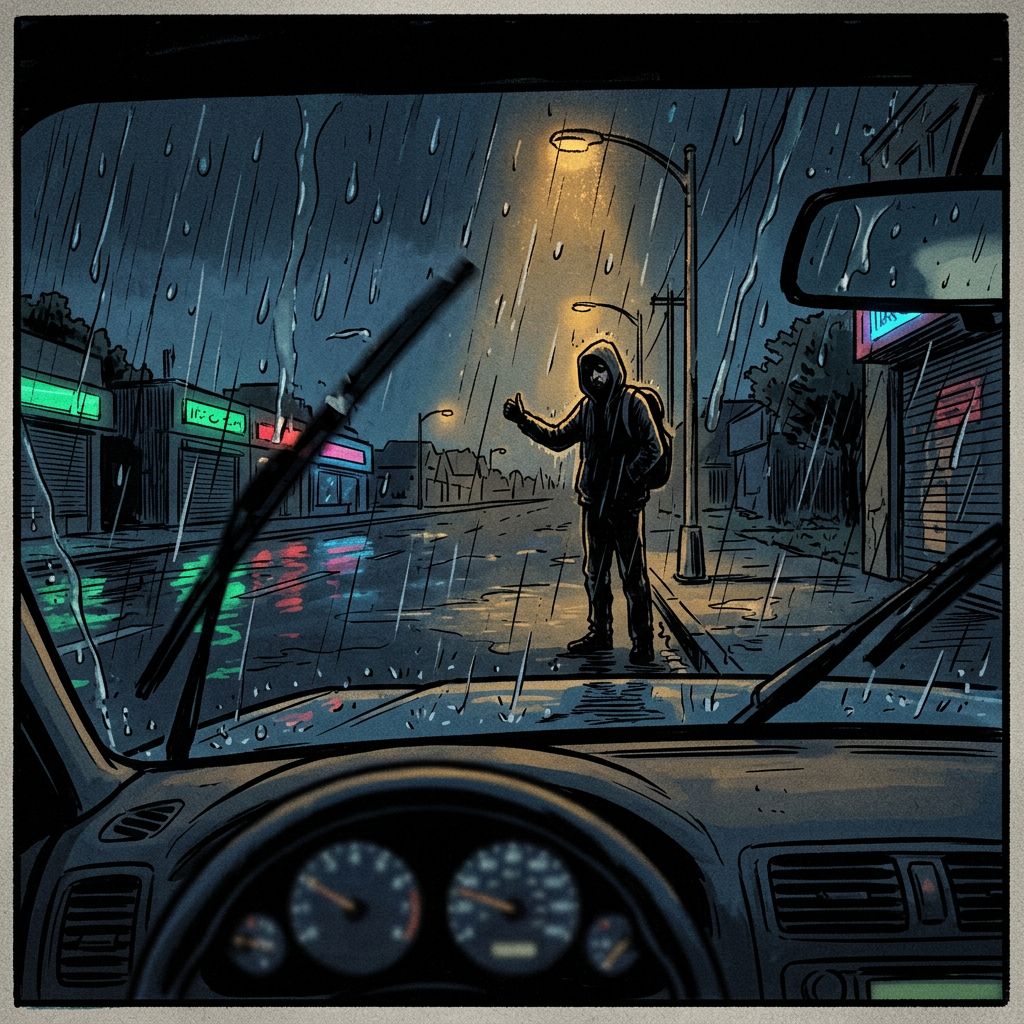
A driver watches a hooded pedestrian through a rain-streaked windshield on a neon-lit street.
Hitchhiker Number Two, however, skipped the paperwork and went straight for vehicular assault.
Cut to a recent evening on Edmondson Road out in Beltsville. For those unfamiliar, this is not a well-lit suburban boulevard. This is a narrow, twisty, ditch-flanked road cutting through farmland. It screams mystery episode.
I’m driving along, minding my own business and stressing about closing out tasks before starting my new job, when a man materializes out of the rural ether. Work boots, blue jeans, silver-white hair, a blue Haines T-shirt, and the pièce de résistance: a crinkly white plastic grocery bag.
He didn’t stick his thumb out like a polite 1970s nomad. He stepped into the road and aggressively lunged toward my moving vehicle, eyes locked on my door handle with the absolute determination of a zombie who missed the last commuter rail. He was getting in that car, with or without my permission.
I don’t have the calendar availability to get murdered on a country back road. I slammed the gas, violently swerved away from him, nearly pitched my entire car sideways into an agricultural ditch, and peeled out like an extra in an action franchise. The windows went up immediately.
So that is where we stand. On one end of the spectrum, I am a freelance chauffeur rescuing wandering souls from their own logistical ignorance. On the other, I am evading ambush attacks in the Beltsville brush.
I’ve since adopted a strict self-defense mechanism: I keep the passenger side of my car littered with enough junk that offering anyone a seat is physically impossible. My windows stay up, my doors stay locked, and my inner bleeding-heart Samaritan has officially clocked out!
The Springer Thesis: How Salacious Talk Shows Kept America Sane
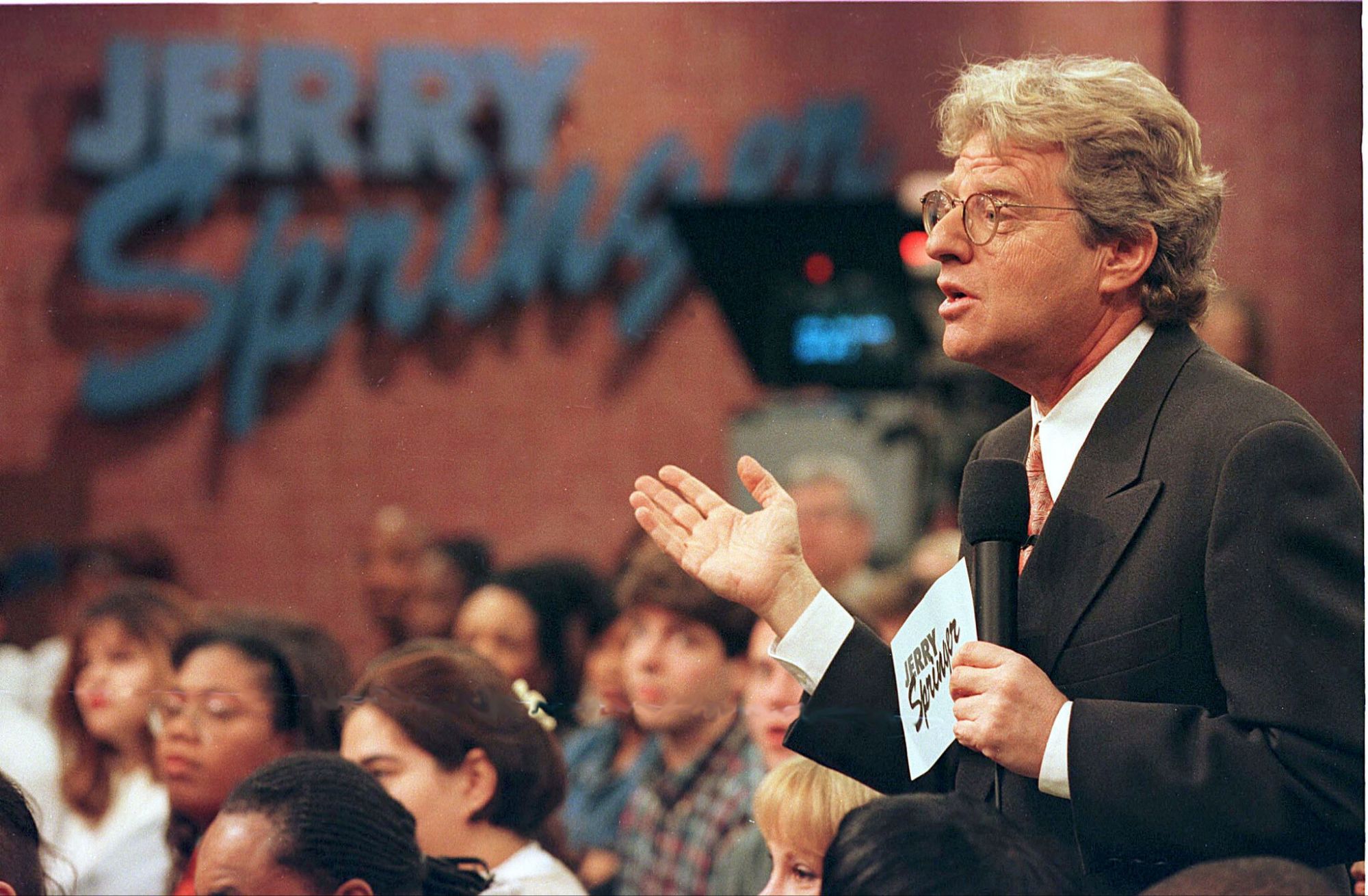
Here is an unpopular opinion: we need to bring back Jerry Springer. Not the man himself, that how you end up with an undead legion of idiots. Also, God rest his soul but everything he represented. The chaos, the confrontation, the unfiltered audacity of it all. I know how that sounds. I know the reflexive response is to say that Jerry Springer was the fall of America, that Maury Povich and Sally Jesse Raphael and Jenny Jones were symptoms of everything wrong with this country. But what if we had it exactly backwards? What if those shows weren’t the disease at all what if they were the Band-Aid holding us together?
A Brief History of the Talk Show
To understand what we lost, you have to understand what we had. I was born in 1983, which means I grew up watching this entire arc in real time. In the 1980s, the landscape was dominated by Oprah Winfrey, Phil Donahue, and Sally Jesse Raphael. These were scandalous shows by the standards of the time, but they came wrapped in a moral framework. There was always a lesson, always a reckoning, always a sense that the host was guiding the audience somewhere meaningful. Then came the 1990s, and with them the golden age of daytime television. Jerry Springer, Maury Povich, Jenny Jones, Ricki Lake these shows stripped away the pretense and gave the audience something rawer, louder, and infinitely more watchable. People aired their most embarrassing secrets on national television. Paternity tests were revealed in front of studio audiences. Estranged relatives confronted each other under hot studio lights. It was messy and it was real and millions of people tuned in every single day.
Then something shifted. By the 2000s- 2010s, the talk show had reinvented itself around the Ellen DeGeneres model celebrity interviews, feel-good segments, viral dance moments. The audacity was gone. The mess was gone. What replaced it was relentlessly positive, carefully curated, and, if we’re being honest, a little bit boring. By the 2020s, the format had nearly collapsed entirely, replaced by a fragmented constellation of social media platforms that promised to deliver the same fix but never quite could.
What Those Shows Actually Did
Here is what nobody wants to admit: those salacious talk shows were doing real cultural work. They served functions that we didn’t recognize as functions until they were gone.
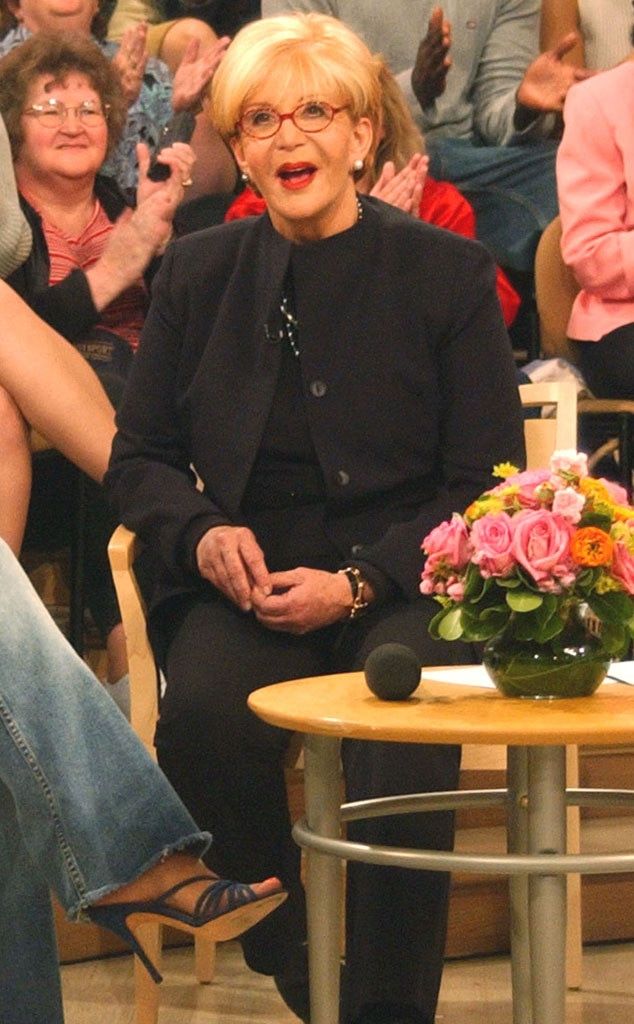
The first and most obvious was public accountability When someone with absolutely no awareness walked onto the Jerry Springer stage convinced that their behavior was perfectly reasonable, the audience disabused them of that notion immediately. Sally Jesse Raphael, with those iconic red-framed glasses and her oversized blazer, had a gift for calling people to the carpet with a kind of no-nonsense clarity that was genuinely clarifying. There was a social check built into that format. If you were living your life sideways, the talk show was a mirror that showed you exactly how sideways it was.
The second function was subtler but just as important: those shows (Springer, Ricki, Jenny Jones) scratched an itch that nothing else can scratch. World Star tried, but it never gave a true moral resolution, just drama. The drama, through juicy and satisfying to watch in other people’s lives, while your own lives remain drama free. Having a salacious talk show with a host to contextualize the issue, the drama, and calling out the delusional b*llsh!t. There is something deep in the human brain that craves this. It’s not lowbrow. It’s not shameful. It’s just simply human need and trait. And the talk show, at its salacious peak, was the only format that delivered it reliably, consistently, and at scale.
Third, and perhaps most surprisingly, those shows snuck in genuine education. I have always given credit to Bill Nye the Science Guy and Star Trek: The Next Generation for sparking my love of science. But if I’m being honest? Maury Povich and his DNA tests deserve some of that credit too. Hearing “you are NOT the father” week after week made me genuinely curious about how DNA testing worked, how paternity could be proven, what science looked like. Furthermore, it was a stern reinforcement of why people should use birth control and protection. The number of people sleeping with the whole town always had me asking about STIs. Ricki Lake, meanwhile, was doing something quietly radical normalizing LGBTQ+ relationships and pushing back against homophobia at a time when mainstream culture was far less willing to do so. These shows were not as dumb as they looked.
Why Social Media Doesn’t Fill the Gap
When the talk shows disappeared, we told ourselves we had something better. TikTok, Instagram, YouTube, Snapchat are an entire ecosystem of user-generated drama, available twenty-four hours a day. And yet something is missing. The itch is not being scratched. Yes, we had commentators pointing out the issues with the internet drama. It’s not the same. It lacked resolution.
The resolution was mediation and explained the moral of the story. On a talk show, there was always a host a Sally Jesse, a Maury, a Ricki whose job was to hold the space, to name what was happening, to look the person with no shame dead in the eyes and says, “you cannot be serious right now.” Forcing the party to have some accountability. The question of behavior, calling out delusional logic, was built into the architecture of the format. Social media has no such architecture. Drama on TikTok is consequence-free (sidenote not anymore, people are getting divorced, fired from jobs losing sponsorships). You can post your most unhinged behavior and the algorithm will reward you for it. There is no Sally Jesse to drag you to the carpet. There is no studio audience to gasp. There is no moment where someone you respect looks at you and says, clearly and publicly, that your life is in shambles.
And because that moment no longer exists, people no longer know their lives are in shambles. That is the real crisis. It is not that people are behaving badly, people have always behaved badly. It is that the cultural mechanism that once reflected that behavior back at them, that once made them feel the weight of public judgment, has been dismantled. We thought we were evolving past it. What we were doing was removing the mirror.
The Path Forward: Healing and Drama
The answer is not simply to resurrect Jerry Springer format. That moment has passed, and honestly, some of what those shows did was genuinely harmful, it was rooted in racism, homophobia, and the exploitation of vulnerable people for ratings. We do not need to bring that back.
What we need is the next evolution of the format one that holds onto the accountability and the drama while adding something that was often missing: healing. The talk show arc was always supposed to move in this direction. You start with the spectacle “I have sixteen baby mamas and none of them know about each other” and you work your way toward the question underneath it: “why are you like this, and what would it take to be different?” The 2000s and 2010s gestured toward this transition, and hosts like Iyanla Vanzant were genuinely trying to bridge that gap.
The clearest example of what this could look like is Karamo. He saw the void and understood it. He knew that America still needed someone to look a person in the eye and say, without flinching, that their behavior was unacceptable but he also knew that the confrontation had to be paired with compassion, with curiosity, with a genuine desire to help the person find their way out. That is the model. Call out the audacity, then do the healing work. Don’t just expose the wound treat it.
Conclusion
Let me be direct about something. America is the spoiled, disillusioned child of the world. We have convinced ourselves that we are the greatest, the smartest, the most exceptional while simultaneously being among the most overworked, the most indebted, and the most unwilling to look honestly at ourselves. We demonized the salacious talk show because we wanted to believe we were better than it. We were not. We are not. The soul of this country will not be saved by political speeches or policy debates or any of the other mechanisms we have decided are appropriately serious. It will be saved if it is saved at all by honest, unflinching, occasionally uncomfortable public reckoning. By someone on a stage asking hard questions and refusing to accept non-answers. By a format that says: you can come here with your mess, and we will not look away from it, and we will not let you look away from it either.
Bring back the salacious talk show. Bring it back smarter, bring it back kinder, bring it back with the healing built in. But bring it back. America needs the mirror. We have needed it for a long time.
If you would like more blogs like this… or I will bring Jerry Springer Drama to your door Ko-fi.com/chemichelletales