
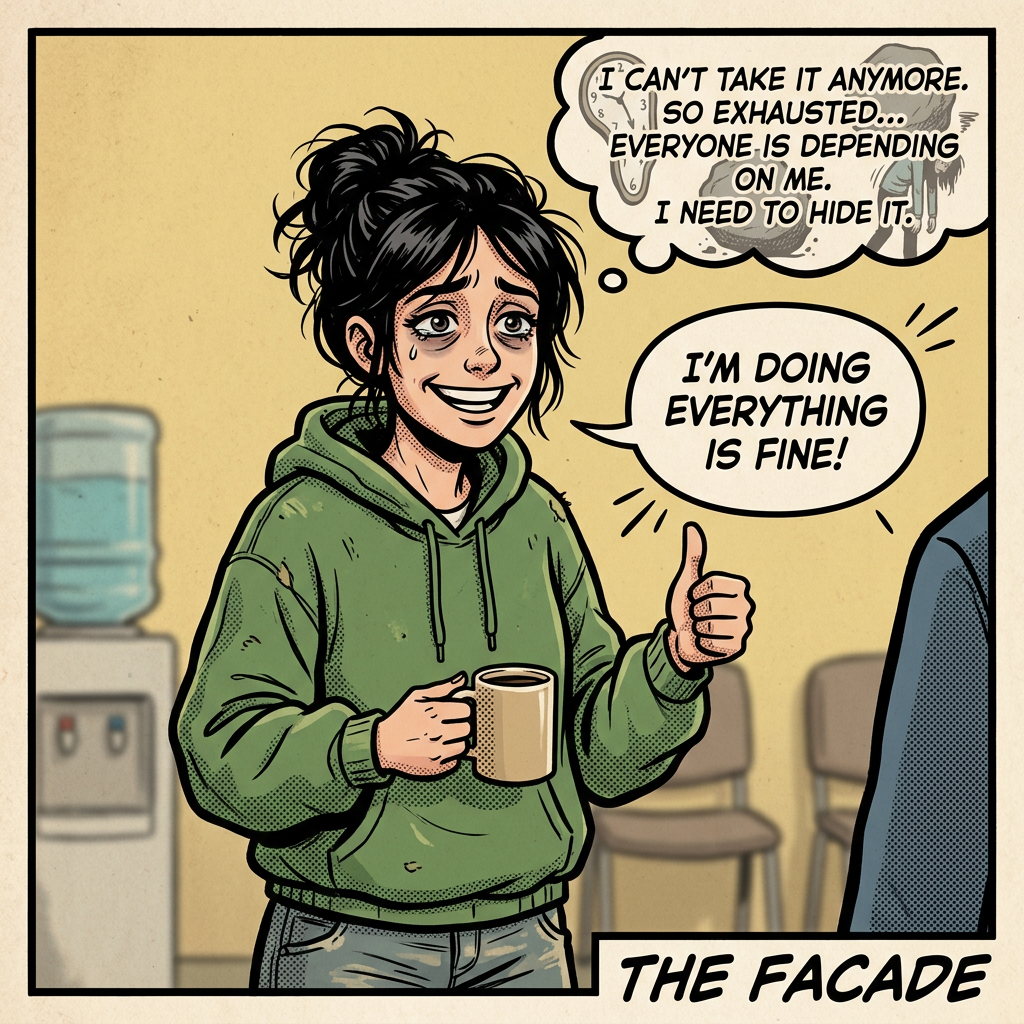
“I’m on the pursuit of happiness, and I know/ Everything that shine ain’t always gonna be gold/ Hey, I’ll be fine once I get it/ I’ll be good”- Kid Cudi.
We treat happiness like a destination. Chase it long enough, the thinking goes, and you’ll finally arrive and stay there. But that idea is backward, and it’s setting people up to feel broken for no reason.
Happiness Isn’t a Permanent State
Happiness is tied to a moment, not a lifestyle. It’s the spike you get from a specific event like getting good news, nailing a deal, or a great surprise, not a baseline you maintain forever. Psychologically, it works like a dopamine response: something raises it, then it comes back down. That’s not a flaw in the system. That’s the system.
The cultural script we’re handed says otherwise. We’re told to “pursue happiness,” as if catching it means we’re set for good. But that pursuit can become its own trap, chasing a peak as though it’s a permanent address instead of recognizing it as a visit.
What We Actually Mean Is Contentment
Most of what people call “being happy” is really contentment: a steady, low-key sense that life is okay, that you can handle what’s in front of you. Contentment doesn’t spike and crash the way happiness does. It’s the quieter, sturdier feeling underneath the highlight-reel moments.
Joy is a third, related thing — a recurring capacity to feel light and good, even though it coexists with hard stuff. The people who seem genuinely joyful aren’t immune to sadness or depression. They don’t treat hard days as proof something’s wrong with them. They feel the rough day, name it, talk about it, and move back toward joy without faking their way through the gap.
Why the “Be Happy Always” Pressure Backfires
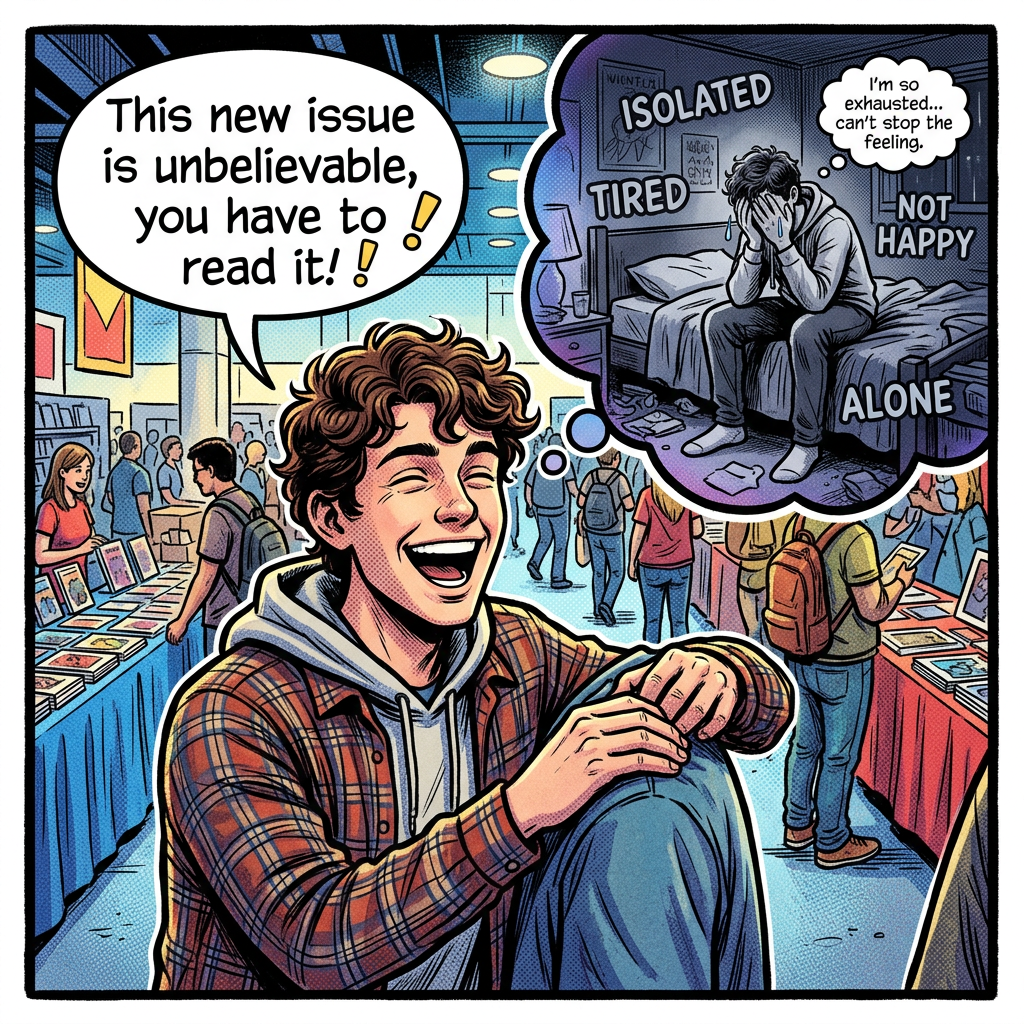
Telling someone they need to be happy all the time quietly tells them something is wrong with them whenever they’re not. And the truth is, no one is happy 100% of the time; that’s not a personal failure, it’s just how happiness works.
Worse, pushing nonstop happiness as the goal can edge toward something that looks a lot like mania once it’s sustained too long or too forcefully. Authenticity matters more than constant cheerfulness. A person who’s “on” all the time, no exceptions, is worth a second look, not celebration.
Faking it also has a real cost. Forcing yourself to perform happiness instead of working through what you’re actually feeling leads to burnout, and once you experience burnout, it’s much harder to recover from than an honest bad day ever was.
A Better Way to Talk About It
Sadness isn’t the same as depression. Feeling disturbed, sad, or grieving something doesn’t mean you’re broken; it means you’re human, and you’re allowed to feel it. Letting people name their emotions accurately, instead of forcing everything into “happy” or “not happy,” gives them room to actually process what’s going on.
A healthier approach looks like this: something good happens, you notice it, you sit in gratitude for it, and happiness grows out of that rather than demanding a constant happy state and panicking when it slips.
The Real Misconception
The myth isn’t that happiness exists. It’s that happiness is supposed to be constant. It isn’t, and it was never meant to be. What we should actually be building day to day is contentment and joy, with happiness as the bright, occasional spark that visits on top of them. Once we stop conflating the three, we can finally use the right language for what we’re feeling and stop mistaking an honest bad day for a sign that something’s broken.
One of my favorite songs is Kid Cudi’s “Pursuit of Happiness.” You can check out the videoà https://youtu.be/7xzU9Qqdqww?si=xdwbE1tJEFSvIPDp
Also, if you would like to buy me some Fresh Market Cookies to bring some happiness à Ko-fi.com/chemichelletales

