The internet loves to treat life hacks like complex puzzles involving three apps, an intricate spreadsheet, and 12 mason jars labeled in calligraphy.
Truthfully, most real-world hacks don’t start as intentional life strategies. They start because you’re tired, groceries are expensive, and you need a way to feed yourself without spending your entire Sunday chopping celery.
If you are trying to cut your food spending and reclaim your weeknights, here are a few practical, low-effort routines worth adopting.
1. Skip Individual Groceries: Buy the In-Store Meal Kit
Buying individual heads of garlic, bundles of herbs, and full containers of spices just to cook two portions often leads to bloated receipts and produce turning to liquid in the crisper drawer.
Instead of building a meal from raw parts, head to the butcher counter or prepared-food section of specialty grocers. The Fresh Market, Sprouts, and Whole Foods frequently sell complete dinner kits for around $25 to $30.
The Fresh Market ($25 Deals): Best when you want control over your flavors. The proteins are often unseasoned, letting you use your own spices rather than committing to a heavy marinade.
Sprouts: Offers the widest protein variety, cycling through shrimp, steak, salmon, and chicken meal deals.
Whole Foods: Great for classic, reliable basics like salmon or chicken paired with pre-prepped sides.
The Strategy: Pick up one kit, roast or sauté the ingredients in 20 minutes, and divide everything directly into glass containers. You get four to five days of prepped lunches or dinners for less than the cost of a single takeout delivery order.
2. Order Fast-Casual Catering Trays Over Individual Entrees
If you rely on dining out during busy weeks, stop ordering single burritos, bowls, or salads every day.
Places like Chipotle and Qdoba offer small catering setups or family-style build-your-own spreads. Buying the bulk components—pans of black beans, grilled chicken, fajita veggies, and rice—yields a significantly lower cost per ounce than paying individual retail markups and delivery fees daily. Portion the components out yourself at home for quick, ready-to-heat lunches.
(A quick note on sandwich shops like Subway or Potbelly: bulk catering platters sound tempting, but fresh bread goes stale quickly. Stick to hot, grain-and-protein bases for meal prep.)
3. Supplement Staples with Food-Rescue Apps
Do not pay full price for items that can easily be frozen or eaten that day. Using an app like Too Good To Go allows you to grab surprise bags of surplus goods from local bakeries and specialty markets at a fraction of their retail cost.
Use this strategically for shelf-stable carbohydrates: picking up a bakery surplus bag can supply your sandwich bread, baguettes, or rolls for the entire week for just a few dollars.
4. Run the Zero-Waste Bone Broth Simmer
When cooking bone-in poultry or stripping down a whole chicken, never toss the carcass. Place the leftover bones into a pot, cover them with water, throw in scraps of onion and carrot, and let it simmer low and slow.
As the connective tissue and marrow break down, you end up with nutrient-dense, collagen-rich bone broth for $0. Strain it, keep it in the fridge, and use it as a flavorful base for rice, grains, or quick soups throughout the week.
5. Add Baking Soda Directly to Musty Laundry
High-intensity gym clothes and older fabrics love to trap residual sweat and body oils that standard detergents can’t break down. Rather than spending money on expensive specialty sport detergents, toss half a cup of baking soda directly into the drum with your wash cycle. It neutralizes persistent odors at the fiber level without ruining the fabric.
What everyday shortcuts or grocery habits do you rely on to keep your weekly routine simple?
Cue the Alicia Keys song “’Cause what goes around comes around/ What goes up must come down/ Now who’s crying, desiring to come back to me? What goes around comes around/What goes up must come down” – Alicia Keys “Karma.”
Today’s WordPress prompt asked a deceptively simple question: Do you believe in karma?
A normal blogger with an ounce of self-preservation would have hit publish on a breezy, three-paragraph meditation about golden rules, returned shopping carts, and positive vibes. A one-word answer “Yes” would have sufficed.
Instead, I sat down, untangled Eastern philosophy, analyzed the cosmic dangers of aggressively non-confrontational pop stars, pulled birth charts on the 2010 rap pantheon, and stared into the metaphysical void.
Let’s unpack the cosmic spreadsheet before I scrap this entire draft for my own safety.
Karma Isn’t a Cosmic Vending Machine
In Western culture, we treat karma like a spiritual drive-thru: you drop in a kind deed, the universe hands you a warm bag of blessings, and if someone cuts you off in traffic, you wait by the curb hoping a deity flattens their tire on the spot. Like no, this is not how any of this works.
Eastern traditions like Hinduism and Buddhism view it less like personal vengeance and more like spiritual gravity an autonomous, inevitable law of cause, effect, and intent. Every action leaves a residue.
Crucially, karma is flanked by concepts like kama, the realm of desire, longing, and how we choose to move through worldly impulses. The friction between desire and consequence is where the universe takes receipts.
Most people assume staying safe means staying quiet. But the universe doesn’t give bonus points for aggressively minding your own business when things go sideways. In the cosmic calculus, aggressive neutrality can rack up just as much debt as active malice.
To illustrate, let’s look at two completely chaotic case studies I definitely shouldn’t be publishing on the internet.
Exhibit A: Nicki Minaj and the Millennial Generational Debt
Enter the Sagitterroist-in-chief.
The early days of Nicki Minaj’s career were a masterclass in the clash between Gen X royalty and Millennial ambition. Gen X elders historically demand respect upon entry, bow your head, kiss the ring, acknowledge the pioneer. Millennials, meanwhile, run on reciprocity: I’ll respect you if you respect me, but I am not bending my knee just because you were here first.
Between Lil’ Kim (Cancer) and Nicki (Sagittarius), the stars never stood a chance. Water and fire: you either lock into a lifelong bond, or you maintain a permanent, on-sight grudge match where crossing paths requires protective headgear.
Nicki used that friction as jet fuel, launching into pop-rap dominance. The universe handed her a massive platform, immense influence, and an explicit test: When the next generation arrives, will you break the cycle, or will you do the exact same thing to them that was done to you?
She picked door number two. Instead of playing the benevolent icon, she doubled down on the fortress mentality, alienating peers and baffling fans while the charts quietly moved along without her. The karmic residue didn’t arrive via lightning bolt; it showed up as fatigue, dwindling goodwill, and lukewarm reactions to tracks that used to set the world on fire. The lesson? If you spend your climb fighting gatekeepers, you cannot become the troll under the bridge when you reach the top without the universe sending an invoice with the due date past due.
Exhibit B: Ed Sheeran and the Perils of the “Nice Guy” Swiss Flag
If Nicki’s karma stems from active conflict, Ed Sheeran’s stems from the illusion of the spotless middle ground. Ed has built a global empire on being universally inoffensive. He plays acoustic loops, smiles politely, and wears hoodies to stadium shows where eighty thousand people sway in unison. He is the human equivalent of unseasoned mashed potatoes: harmless, reliable, and entirely neutral.
Except real life doesn’t always allow for a neutral setting. When serious global issues arise, standing in the exact center and humming softly isn’t a position of virtue, it’s a calculated attempt to protect ticket sales. While other artists drew lines in the sand whether via statements or solidarity moves like Macklemore’s. Ed attempted to hold the middle line.
The karmic punchline for terminal fence-sitters? The middle eventually collapses. When you refuse to stand for anything because you don’t want to offend the venue owners or the promoters, you end up offending everyone who expected a shred of backbone. His traveling band bailed, several artist and fans were disappointed in Ed Sheeran, and the “good guy” sheen wears thin under the weight of not taking a side. Silence has a weight, and eventually, gravity pulls it down.
The Self-Preservation Conclusion
Which brings us back to the prompt: Do you believe in karma?
Deeply. I believe intention dictates residue, that the universe keeps impeccable records, and that trying to cheat the bill by either bulldozing your peers or hiding in the acoustic background will cost you down the road. I also believe in knowing when you’re about to attract your own karmic lightning strike from two hyper-online fanbases and several booking agents.
So on second thought, none of this actually happened. Delete the drafts, clear the cache, and cue the Alicia Keys outro: “’Cause what goes around comes around/ What goes up must come down/ Now who’s crying, desiring to come back to me? What goes around comes around/What goes up must come down” – Alicia Keys “Karma”
Yes, karma is real. Be kind to others, don’t be bitter, watch your intentions, and return your shopping carts. Yada Yada Yada
Today’s prompt asked a simple question: How do you make time for self-care?
Before answering how, we need to talk about what self-care actually is because we’ve been sold a lie. Point blank: self-care has been hijacked and turned into a capitalist venture.
When most people hear “self-care,” they picture luxury bath bombs, spa days, mimosas, and sheet masks. If you want to eat your favorite meal or get your nails done, fine. But consumerism has convinced us that caring for ourselves requires spending money to check out of our lives.
That wasn’t the original point.
The Radical Roots of Taking Care
Self-care didn’t start in a department store. In its modern social context, it emerged from the Civil Rights and feminist movements, gaining serious traction through the Black Panther Party in the 1970s.
Back then, self-care wasn’t an indulgence, it was a survival tactic. It was deeply communal and pragmatic:
Organizing free breakfast programs so families had nutritious food when money was tight.
Setting up community childcare so mothers can attend medical checkups.
Organizers like Angela Davis and Ericka Huggins use yoga, meditation, mindful eating, and mental health practices to sustain themselves through relentless pressure and trauma.
Self-care was political, holistic, and focused on basic human dignity: Go to the doctor. Move your body. Feed yourself well. Guard your mind.
When we strip away the commercial packaging, real self-care is about taking your health and sanity seriously. If your heart is racing, you’re paralyzed by anxiety, and leaving the house feels impossible, real self-care isn’t a scented candle—it’s booking an appointment with a therapist or talking to your physician.
How I Make the Time: The Non-Negotiable Monday
If you don’t actively protect your time, someone else will claim it. That’s why I treat self-care as a structured boundary.
For me, Monday is my anchor. It sounds selfish on paper, but it keeps me whole: Monday is the day I do not do anything extra for anyone else.
I work because I have to work, but after that, the evening belongs entirely to me:
Movement: I hit a fitness class. If the class doesn’t happen, I walk on the treadmill. Moving my body is non-negotiable.
Nourishment: I cook a clean, wholesome dinner to refuel properly.
Reflection: I sit down and write a journal. I map out my wins, my losses, and dump my thoughts onto the page to clear the mental clutter.
Setting aside Monday sets the tone. Throughout the rest of the week, things get messy, schedules collide, and I don’t always win the battle. But having that dedicated baseline keeps me grounded.
Practical Ways to Reclaim Your Space
You don’t need an entire free day to start resetting your boundaries. Here is how to make room in the real world:
Start with 15 minutes: Before the demands of the house take over, take 15 minutes in the morning. Pray, meditate, write in a gratitude journal, or sit in total silence.
Block out phantom appointments: I used to put fake, urgent meetings on my calendar just to secure “me time.” I’d schedule a meeting on “Bank Street” and label it “Meeting with Banker” so no one could book it. Then I’d sit at the cafe on Bank Street, drink my tea, and breathe. Defending your calendar like your sanity depends on it because it does.
Release the guilt around asking for help: Hire a babysitter, trade childcare with a friend, or tell your family you’re off duty for two hours. Stepping away prevents you from running on fumes and lashing out at the people you love.
Encourage your circle to do the same: I tell my partner all the time: go on the bike ride, play basketball, hang out with friends, go find your center. Loving someone doesn’t mean consuming every hour of their free time or demanding they surrender all of theirs to you.
Getting Back to Wholeness
Erykah Badu sang in the song “On and On”. Ms. Badu sing “I was born underwater with three dollars and six dimes/ Yeah, you might laugh ’cause you did not do your math.” You were already born whole. Self-care isn’t about buying new pieces to complete yourself; it’s about stripping away the noise so you can return to that completeness.
Stop letting marketing campaigns tell you what you need to heal. Build a routine that protects your peace, set boundaries that sting a little if they have to, and treat your well-being like the essential work it is.
How do you write what people actually want to read?
A WordPress writing prompt from a few days ago posed a question that plagues every blogger at some point: How do you write what people want to read?
If you run a blog, you know the cycle. You spend hours pouring your soul into an essay you’re convinced is comedic gold or deeply profound, hit publish, and watch the digital tumbleweeds blow past. Meanwhile, a low-effort listicle you jotted down between sips of coffee suddenly drives all your traffic.
We have all been there and it begs the question: Are we chasing an audience that does not exist, or are we just doing this all wrong?
The Stats Don’t Make Sense (And That’s Okay)
I’m currently on Day 24 of a 30-day writing challenge. It’s been an exercise in pushing past creative blocks, figuring out my niche, and obsessively checking post metrics to see what lands.
The verdict? Human attention is completely unpredictable.
Case in point:
I wrote a deep-dive critical analysis arguing why modern culture desperately needs to bring back Jerry Springer-caliber daytime talk shows. I thought it was witty, culturally relevant, and sharp. Result: Crickets. Barely a like, barely a hit.
I posted a quick, candid breakdown of my top five everyday apps. Result: Solid traffic, instant clicks.
I drafted a comedic story about an overdramatic run-in at the grocery store, assuming humor would lead the charge. Instead, my post ranking my favorite Pokémon companions blew it out of the water.
If you try to reverse-engineer what strangers on the internet want on any given Tuesday, you’ll drive yourself mad. You can’t predict what will click, because readers rarely know what they want until it’s in front of them.
The Danger of Writing Only for the Clicks
If I only wrote what “sells,” my blog would turn into an endless feed of trashy erotica overnight. Don’t get me wrong—I love writing steamy, unapologetic romance. There is genuine art and fun in crafting indulgent drama where everyone gets exactly what they want.
But writers are multifaceted. Sometimes I want to write erotica; sometimes I want to write speculative sci-fi about women defying convention; sometimes I want to break down astrology as character analysis rather than mystical fortune-telling.
When you constrain your voice solely to capture mass appeal, you strip out the very friction that makes writing compelling. The moment you start writing exclusively for an imaginary audience’s approval, you kill the curiosity that brought you to the page in the first place.
The Toni Morrison Rule: Fill the Void
Toni Morrison offered what remains the best writing advice ever recorded:
“If there’s a book that you want to read, but it hasn’t been written yet, then you must write it.”
Seasoned writers and mentors have echoed this for decades. Your job as a writer isn’t to survey the market, build a demographic profile, and pander to it. Your job is to look at the cultural landscape, identify what feels missing, and write that exact piece into existence.
Write the piece that makes you laugh out loud while drafting it.
Write a love letter to your younger self that it felt terrifying to put on paper.
Write the raw, emotional witness to an everyday event that nobody else bothered to document.
When I posted a quiet, vulnerable piece reflecting on personal self-worth, it didn’t get thousands of views—but a reader reached out to say it was deeply caring, spot-on, and gave them comfort right when they needed it. That single connection infinitely holds more weight than a dozen empty clicks on a trendy topic.
Write with Abundance
There are over eight billion people on this planet. Your writing is not meant for all of them. It isn’t even meant for 1% of them.
Writing requires an abundance mindset:
The wrong readers will scroll past. Let them.
The right readers will find resonance. When you write with genuine specificity and voice, the people who share your wavelength will eventually track down your work. They will recognize the humor, feel the emotion, and appreciate the perspective.
Your responsibility isn’t to figure out what people want to read. Your responsibility is to write, edit, and put something authentic into the world. The audience doesn’t know what they’re missing until you give it to them.
Over to you: Have you ever published something you were certain would flop, only for it to resonate widely—or vice versa? How do you balance writing for yourself versus writing for your readers?
If you could pick any fictional animal to be your lifelong companion (like a Pokémon or fantasy pet), what would it be?
Day whatever of my 30 blog posts in 30 days, brought to you by a WordPress prompt that made me stop everything.
The prompt: If you could pick any fictional animal to be your lifelong Companion, like a Pokémon or a fantasy pet, what would it be?
Y’all. I have been waiting years to answer this question.
Obviously, I’m going with Pokémon, because I love Pokémon. And I’m not picking one Companion. I’m picking three, because I’m used to three pets. (I had three: Pascal, Puma, and Bailey. Pascal passed away, so the spot is open.)
Confession: I don’t get the Pikachu hype
Let’s get this out of the way. I don’t hate Pikachu, but I don’t find that little yellow mouse electric type. Well Ash’s Pikachu and everyone’s obsession with him confuses me. Ash’s first four were Charmander, Squirtle, Bulbasaur, and Pikachu, one could teach a whole psychology course off Ash’s Pokémon: acceptance, being the outcast, learning to leave a bad group, abandonment issues. The list goes on.
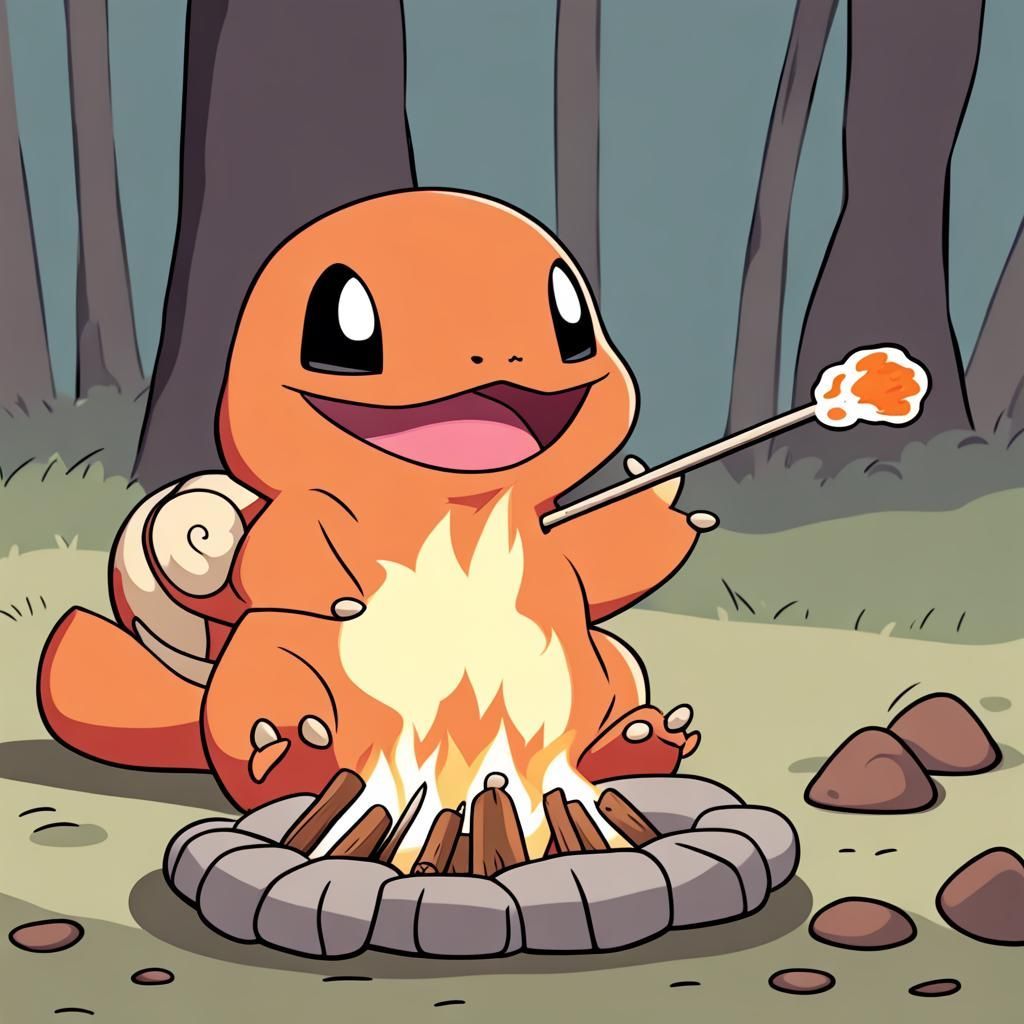
My first Companion would be Charmander. I fell in love with Charmander the first time I saw him. Not the Charmander from the show. That one had issues. He got the wrong end of the deal and needed to go be with other Charizard’s. Mine would be named Charlie, after Charlie Murphy. With the right love, care, and attention, he’d be a fierce protector who keeps you on your toes. And as he grows up, come on: instant fire pit. Warm nights, marshmallows, pizza, all of it. I would fireproof everything and make a little home in the back has the perfect built-in AC to keep him cool on super-hot days and on cold days he’s basically a little heater. But still make sure he is warm and toasty. When he evolves into a Charizard and gets too big for my house, I’ll do what good parents do. I’ll let him roam and tell him: I love you. You will always have a home. Go explore the world.
Companion number two is Cubone. Cubone name will be Rick, yes after Rick James. Somebody out there is asking “what the hell?” Follow me on this. Cubone has one of the saddest backstories. His mom dies, and he walks around wearing her skull a bit creepy. So Cubone will get a little extra love and attention. I’d get him a brand-new mask that’s a bit more breathable and let him keep his moms as a remembrance. Maybe I’d turn it into a flowerpot. He gets his own little house out with comfy spots, and everything in it is breakproof, because nobody’s living in a house where stuff breaks and then crying about it.
He gets a best friend in Charlie, and he can practice his bone-throwing accuracy. Since he’s an Earth type, he can also put out any fire that gets accidentally started. Thinking two steps ahead. I’d also want to teach him about his heritage and tell him: you’re not abandoned. You have a found family. I do believe Cubone heritage will take him back to either Australia or a desert area.
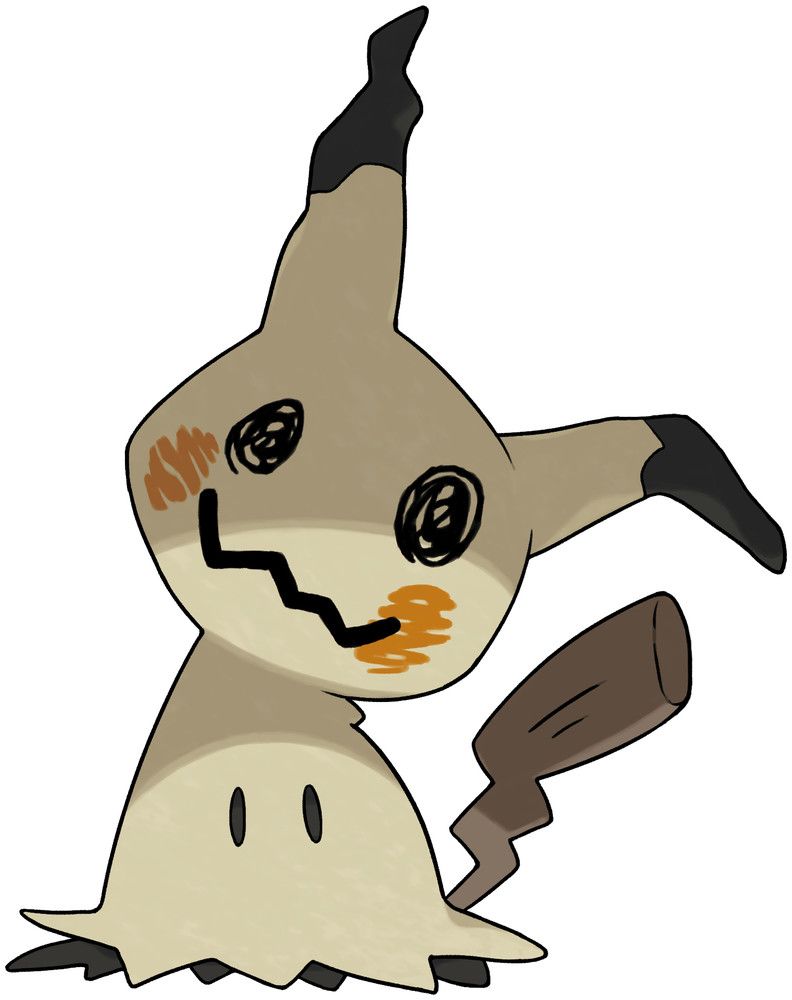
The last one in the trio, can you guess which Pokémon it will be? Companion number 3 will be Mimikyu, aka Mimi. Mimikyu is a Ghost type who disguises itself as Pikachu, and everyone knows nobody ever sees his face. Pikachu, who wouldn’t be friends with it, treated it like something horrible. Here’s someone who loves and adores you, and you will not compare Mimi to Pikachu at all. I So I’m bringing Mimi home. Mimi can have all the ghostly hijinks it wants. It can dress up as it is whoever it wants to be, because that’s what you deserve. If you want to go around dressed as Pikachu, do that. But I think your original form is just as beautiful. (Okay, the official form of what’s under that costume is a soul-sucking demon that’s will either kill you or make you sick). But if it’s just a little ghost needs love too, some precautions and hijinks then yeah, you’re my baby. We’re going to play dress up and go scare some people during Halloween. Create a Gotye moment or recreate the Police Music Video “Every Breath You Take”.
The thing about lifelong companions, I know these three can’t stay with me forever. They’re going to grow up, mature, and want to do their own things. Charizard flies off to live in Arizona or New Mexico. Cubone decides he wants to go back to where he’s from, I believe he’srom Australia, or even the Patagonia Dessert. A d I’I’moing to let them, because ththat’shat you do when you love someone. Y u let them grow up and try different things, and if they’re not horrible people, you give them a safe place to land when they come back from exploring the world. S metimes they go out there and find out their safe place was with you all along, because of that mutual admiration, respect, and understanding. S metimes, they create a safe place for new Pokémon or people to reciprocate the love given.
Charmander. C bone. Mimikyu is my squad; they are my lifelong companions, and they can leave and explore if their heart chooses.
What’s the best advice you’d give to someone younger than you?
A WordPress prompt got me thinking recently: what’s one piece of advice you’d give someone younger than you? And honestly, it made me realize something: a lot of people give the wrong kind of advice to younger people. They hand out unsolicited wisdom and then get offended when it’s not welcomed or when they get called a “Boomer”. Well, I agree you’re acting like an out-of-touch Boomer.
So here’s my approach instead. When someone actually asks me for advice, I don’t just start talking. I ask them one question first: “What are you looking for?”
Financial advice, career advice, life advice, relationship advice these are not the same thing, and I refuse to pretend they are. So I ask, and then I give them exactly what they came for. Here’s what that looks like in practice.
A weathered signpost marks branching paths through an enchanted forest and mountain valley.
On Career
If you ask me for career advice, I’ll tell you the truth as I see it.
Use AI as a tool, not a ghostwriter. Use it to get the right keywords into your resume. Companies are running AI screening on applications now, so you need to speak that language to get your resume in front of a human in the first place. Research the prompts; don’t reinvent the wheel. Once you’ve got a draft, go back through it and humanize it; adjust the language so it actually sounds like you. But keep the keywords. It works!
Use your connections, all of them! Family, community, religious groups, school, your favorite cashier at Target whatever network you have access to, use it. We’ve somehow convinced an entire generation that asking for help makes you “a user.” It doesn’t. Being an actual user or abuser takes a lot more than asking someone for a favor or an introduction. You’re not exploiting people by tapping the relationships in your life to get somewhere; that’s just how it’s always worked. And don’t be shy about asking questions either. Most people aren’t rude, and you’ll find someone willing to point you in the right direction. Also, be willing to help others if someone gives you a lead that leads to a job or opportunity. Say thank you, and be open to helping them if they ever ask, or helping someone else get a leg up.
Hi future self… yes, people will try to take advantage of you when you offer help. You have to develop this skill called discernment.
And one more thing: say thank you. After someone helps you, tell them you appreciate it. It matters.
On Money
There is so much financial advice out there, and everyone’s opinion is different—my honest recommendation: see a professional. If a financial advisor feels out of reach, you almost certainly have access to a bank or credit union. Ask to sit down with a banker and talk it through your budget, your credit card debt, your savings. Don’t let them sell you a loan to pay down your debt unless it’s for you. But yeah, you pay for them by using the bank or credit union, using their resources.
Here’s a tip most people won’t tell you: it’s okay to ask for someone closer to your own age. We assume wisdom automatically comes with age, so we ask someone in their 50s or 60s. Still, someone in their early 30s who recently experienced what you’re in- a new career, first real paycheck, no idea what to do with it often understands your situation better than someone decades removed from it. Yes, it might feel awkward to ask. Advocate for yourself anyway. Don’t take Jim’s advice if he bought his house in 1999 for $80,000 and isn’t paying any student loans. Jim’s first response to you is to stop buying Lattes at Starbucks. “No one is buying Starbucks, Jim!”
Start investing now, with whatever you have. Old advice said to save up $10,000 before you even thought about investing, have no consumer debt, and yada yada yada. That’s outdated. You can start with $5, $10, $20 a week — whatever you can manage without messing up your finances. I started with $20 a week because that’s all I could swing, and I was in severe debt. I also understood that not being in the market was hurting me. So I started building that habit with Stash; it made a real difference over time.
And here’s the part people don’t like to hear: it’s okay to use that money when you actually need it. Long-term investing is great, but if you need that money to survive, to cover rent, a bill, an emergency, take care of yourself first. You can always get back in the market, but make sure you are secure. What good is it to build the habit. The exception is retirement accounts like an IRA, which are built for the long haul. Everything else is there to serve you, not the other way around.
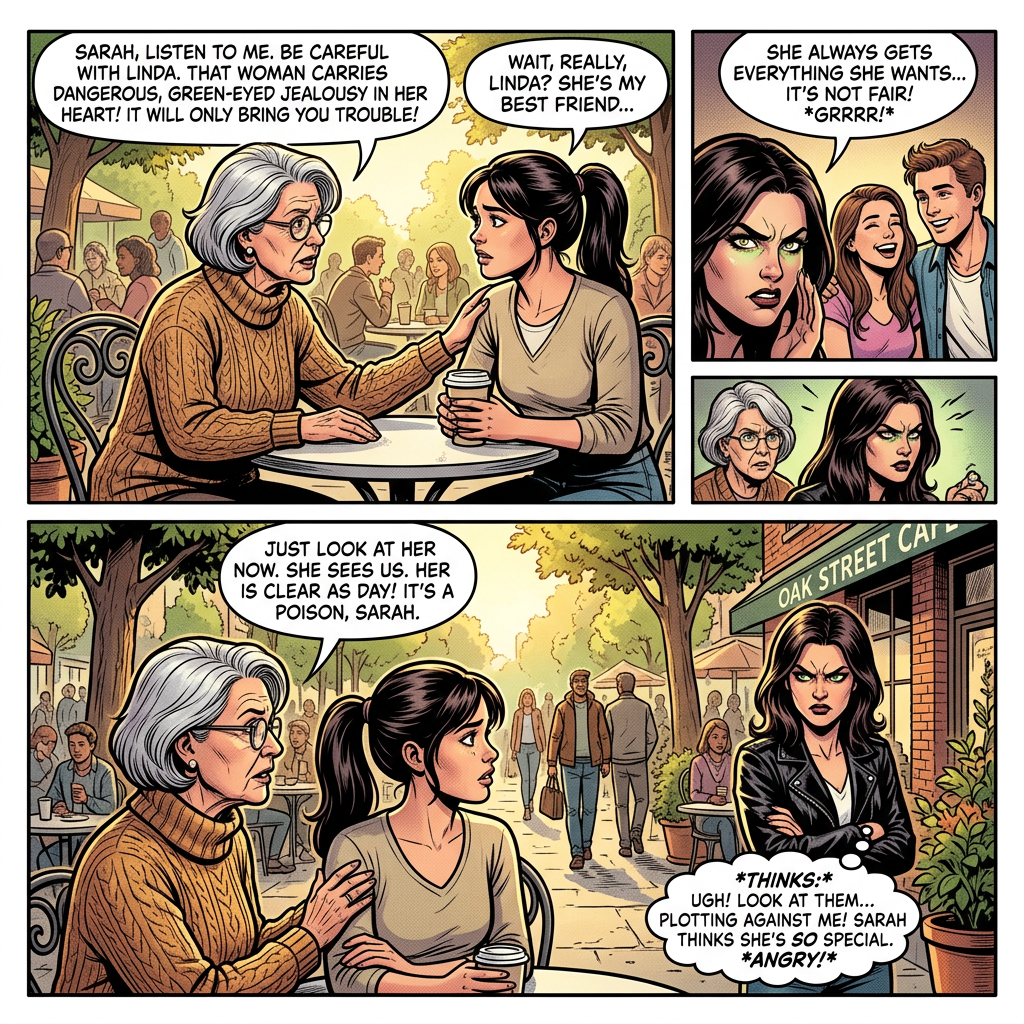
At a café, Sarah is warned about Linda while Linda angrily watches from nearby.
On Relationships
This one’s simple, and it’s the hardest to hear: if someone you trust tells you a person in your life doesn’t have your back, listen.
If someone warns you, “don’t go with that person,” “that person isn’t your friend,” take it seriously, especially if it’s coming from someone who genuinely loves you and has no reason to lie. ( Culturally, especially if it’s a Black woman or Latino woman who says those statements, listen… they have an eerie sixth sense about people.) People who care about you will sometimes see things you can’t see yourself. You don’t have to act on every warning from every person, but pay attention when it comes from someone who’s earned your trust.
Cutting ties is hard. It gets harder as you get older. But you will make new friends; it just takes time.
That’s it. That’s all the advice I’ve got. It’s not polished, and it’s not the kind of thing you’ll find framed on a motivational poster, but it’s what’s actually carried me through, one honest answer at a time, to the question that was actually being asked. Now if you would like more advice, just leave a comment or you can buy me a coffee –> https://ko-fi.com/chemichelletales
How does your mindset affect your financial success?
How Does Your Mindset Affect Your Financial Success?
Okay, pull up a chair. We need to talk about money, but not in the boring, spreadsheet-lecture way. I want to talk about the stuff nobody tells you: the mindset stuff. Because here’s the truth I learned the hard way: you can have every budgeting app, every side hustle, every “get rich” tip in the world and still stay broke if your mindset about money is broken. I know because I used to be that person. Back in the day, I had a friend,d and we would joke we was broke, phi broke. After a few years, I realized that saying that was cursing me. I had the wrong relationship with money for a long time before I realized it; I couldn’t unsee it. When I changed my mindset, my money and ability to manage it changed.
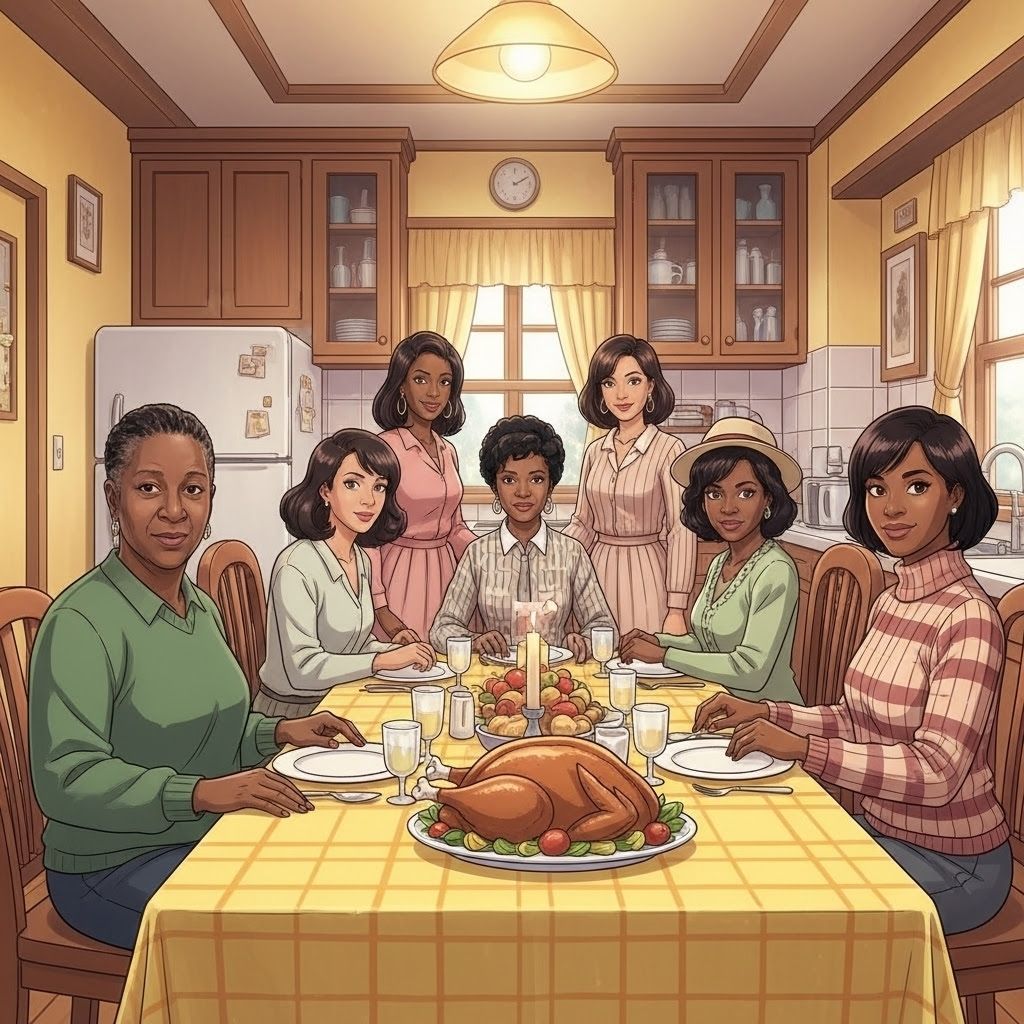
Let me give you a little background to my life. I didn’t grow up in a typical household. I grew up in a generational house, and if you’ve never heard that term, it means multiple generations under one roof at the same time. In my house, it wasn’t just my mom and me. It was my great-grandmother, my grandmother, my mother, and me four generations, sometimes five once you counted my little cousins- who practically lived with us during the week. Pause: my little cousins had two working, loving parents, and my grandmothers always offered to watch them so their parents never had to miss work. Money was tight, and family helps in times of need.
Growing up like that changes how you see money. You watch it move differently. You watch people pool resources, cover each other, stretch a dollar as a family instead of as one person on an island. It gave me a different understanding of how money actually works when people work together instead of white-knuckling it alone. When I started working at a specific fast-food restaurant, I did my part by bringing home food to help ease dinner costs.
I believe in pooling resources for the family’s greater good. I don’t think everyone is meant to move out and “do it on their own” just because that’s what we’re told success looks like. Now, if you come from an abusive or toxic household, that’s different: protect your peace, get out, build your own foundation. And if you’re just a hyper-independent person who genuinely needs your space and your privacy, I respect that too;o that’s what works for you.
But if you came from a stable, loving home with parents who are willing to show up, contribute, help with the bills, help with the kids, help with life? There is no shame in building together. Personally, if things line up the way I hope, I wouldn’t mind my own mother living with me, my partner, and my kids one day. I know she’d help watch the babies. I know she’d help around the house. She’s not going to pretend she can do everything; ng her mindset has always been “I can’t promise the world, but I’ll do what I can.” And honestly? That’s enough. That’s what family is supposed to sound like.
What I Had to Unlearn
I say all of that to explain why my money mindset was the way it was. I saw money handled in a very specific way growing up, and when I hit my twenties and stepped out into the real world, I realized I had to unlearn a lot of it and relearn how to think about money for myself.
There were five things I had to work on. I’m not going to pretend I mastered them overnight; honestly, it’s only been in the last five years or so that I’ve actually gotten good at putting them into practice consistently. But the very first one, the foundation underneath all the others, is this:
You have to be willing to Change Your Mindset
This is step one because nothing else works until this shifts.
If you are constantly telling yourself “I’m broke,” “I can’t afford that,” “this is too expensive,” “I don’t know where I’d even find the money for this” that mindset is running your life. It’s not just a thought, it’s a pattern. And when you keep feeding that pattern, you keep proving it right. You start making decisions from a place of lack instead of a place of possibility, and that keeps you stuck in the same cycle: no money, no plan, no way out.
Here’s the part that stings a little, but I say it with love: a negative money mindset doesn’t just describe your situation it creates your situation. When you walk around convinced you’ll never have enough, you stop looking for the opportunities that could actually get you there. You talk yourself out of the job application, the investment, the conversation about a raise, the side hustle idea before you even try. That negativity becomes the thing standing between you and the life you actually want. Once your mindset shifts, the rest of the work actually has somewhere to land. Here’s what came next for me.
Get Educated For Real This Time
Step two: take an actual personal finance class, or find someone who has genuinely walked the walk and learn from them directly. Not a random person online who just talks about money someone who has actually built something with it. I remember getting into my local credit union and honestly feeling a little embarrassed because I didn’t know half of what they were asking me. I didn’t know how to do basic things I felt like I “should” already know. I fell off track for a while after that, and I struggled for a few more years because of it. But once I actually sat down and committed to learning personal finance for real, everything started clicking differently. There’s no shame in not knowing. There is a cost to staying that way on purpose.
Know Your Financial Personality
Step three, and this one might be my favorite: figure out your financial personality type. I know that sounds like a quiz you’d take for fun, but stay with me it’s real, and it matters. Some people are natural savers. Some are budgeters. Some are investors who are wired to think long-term and end up retiring early because of how they move with money. And some people are a mix, and that’s okay too. The point isn’t to shame yourself into one category or beat yourself up for not being “the investor type” naturally. The point is to actually identify who you are with money so you can stop fighting your own nature and start working with it. A saver trying to force themselves to be an aggressive investor overnight will burn out. A spender trying to white-knuckle extreme frugality without a real plan is going to fall off. Know your type. Build from there.
Don’t Be Afraid to Get Help
Step four: if you get to a point where you genuinely don’t know what to do next, don’t be too proud to bring someone else in. Find a real financial professional, someone who can look at your actual numbers and help you optimize instead of guessing. I know it can feel intimidating, or even embarrassing, to admit you need that kind of guidance. But trying to figure it all out completely alone, with no outside eyes on your situation, is one of the easiest ways to end up stuck living paycheck to paycheck without even realizing how you got there. You wouldn’t try to represent yourself in court with zero legal knowledge just to prove a point. Money deserves that same respect. Bring in help when you need it.
Build the Discipline and the Schedule
Step five: discipline. This is what ties everything else together. It’s one thing to understand your finances; it’s another to stick to a plan week after week, even when it’s boring and nothing exciting is happening. Put yourself on an actual schedule. Track it. Revisit it. The people who look like they’ve “got it together” financially aren’t magic; they’re consistent. That’s really the whole secret.
Listen, I’m not telling you any of this to make you feel bad about where you are right now. I’m telling you because somebody needed to tell me, and it took me way too long to figure it out on my own. Your upbringing shapes how you see money, but it doesn’t have to be the final word on how you handle it.
So here’s the full list, all in one place:
1. Change your mindset. Stop talking yourself into “broke” before you even try.
2. Get educated. Take the class. Find the mentor. Ask the “embarrassing” question.
3. Know your financial personality. Saver, spender, budgeter, investor: work with your nature, not against it.
4. Don’t do it alone. A real professional can save you years of guessing.
5. Build the discipline. Consistency beats intensity every single time.
You get to unlearn the parts of your money story that don’t serve you. You get to build something different, whether that’s a household full of people who show up for each other, or a mindset that finally believes you’re capable of more than “just getting by.” Start with the mindset. Everything else builds from there.
Another WordPress Prompt about a weird coincidence.
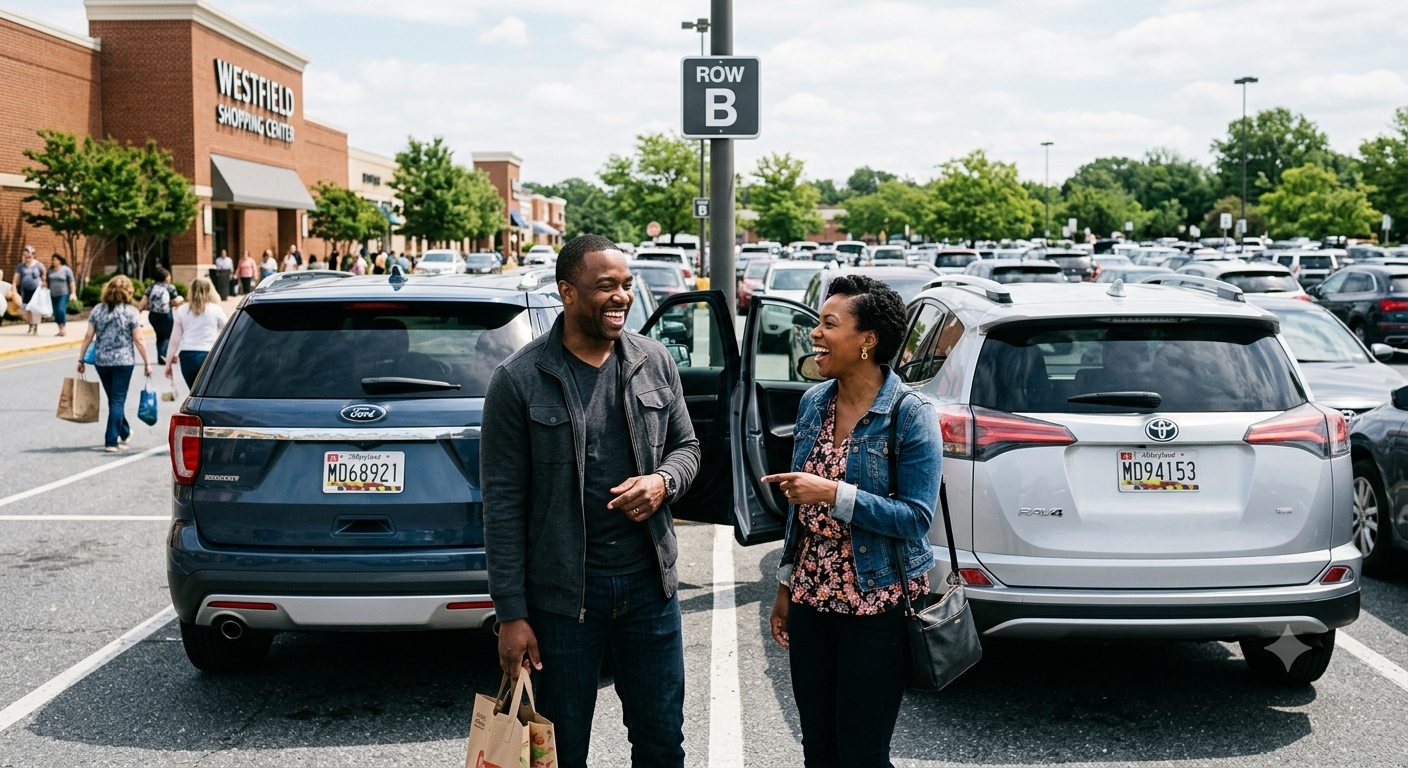
Some couples bond over shared taste in music, or a mutual hatred of raisins. My person and I bond over parking spots. Specifically: our unexplainable, borderline-conspiratorial ability to park within two spots of each other, at completely different times, having told no one our plans, like two magnets who also enjoy going to the movies.
It started on our second date, a date that, in retrospect, had main character’s energy baked in from the jump. The mall had blocked off my usual spot for some event, so I got exiled to the far reaches of a different lot, somewhere in the metaphysical vicinity of Bass Pro Shop. Mildly annoyed, I parked, walked in, and found my late-because-he-hates-previews soon-to-be boyfriend. We settled on watching “The Woman King” on the second date, trying to feel each other out, but we didn’t finish. Because some idiot discharged his gun in the food court by accident. Security evacuated the mall due to the gunshots, which ended the movie early. I want to be clear that was genuinely terrifying, and not something to make light of, and my heart still goes out to anyone who has lived through more horrible, deadly shootings.
My son-to-be boyfriend stayed by my side and made sure I got to my car. He left to find his car once I told him I saw my car and was safe. It was very sweet and checked the chivalrous box for me. Amid the chaos and the evacuation, something almost comical happened: note that we arrived at the theater at different times, and we never saw each other’s car after the first date. We met at a mutual location. We discovered we were in the same row, two spots apart. The only thing standing between his car and mine was a stranger’s Honda that had already pulled off once he went to look for his car.
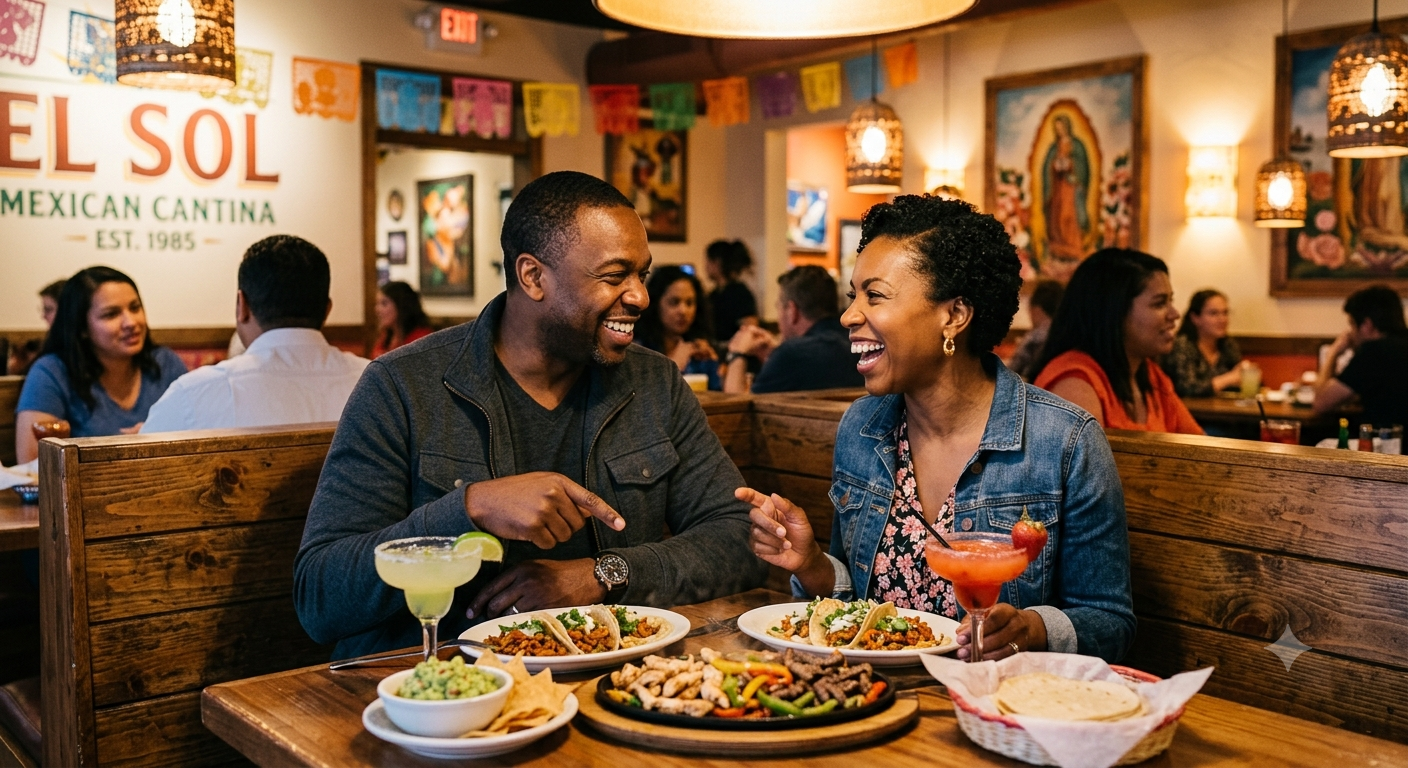
I was sitting there eating a multigrain croissant like a raccoon who’d found a snack. I felt a pair of eyes on me, so I looked around, and he was looking at me. I rolled down my windows, crumbs from the croissant falling from my lips. He asked, “Why do you have croissants in your car?” and honestly, sir, why wouldn’t I? I am always on the go. I laughed at the irony of how he ended up in the same row at Arundel Mills. He asked if I was hungry, and I nodded yes. The croissant wasn’t going to cut it. Well, do you want to go to this Mexican restaurant, away from the madness? I smiled and said yeah. We wove through the chaotic traffic as people evacuated the mall. We ended up at a Mexican restaurant, margaritas in hand, laughing about how our second date somehow included a national tragedy narrowly avoided. We found out that someone accidentally discharged their weapon in the mall, still scary. As he told it, he learned the origin story of my love for a good baked good. I enjoyed the conversation, and thought to myself, he would be nice to date. (My intuition was right; we are three years in and counting.)
Fast forward to Sunday night, we decided to see Spider-Man. We met up at the theater; I arrived first, and he arrived later. After the movie, we walked to the parking lot. He offered to drive me to my car. I pointed straight ahead; as usual, we were parked two rows behind me, like the universe always wants us in the same zip code of a parking lot. We didn’t plan it. We never plan it. It just… happens every time.
I don’t know what force is at play here magnetism, fate, or the fact that we’re both drawn to whatever’s closest to the mall entrance- but I’ve decided not to question it. I’m just going to keep quietly tracking our dating anniversary (don’t tell him), keep bringing weird snacks into my car, and keep trusting that wherever I park, my person’s car will show up nearby, like it always does.
Some people believe in horoscopes. I believe in parking lots.
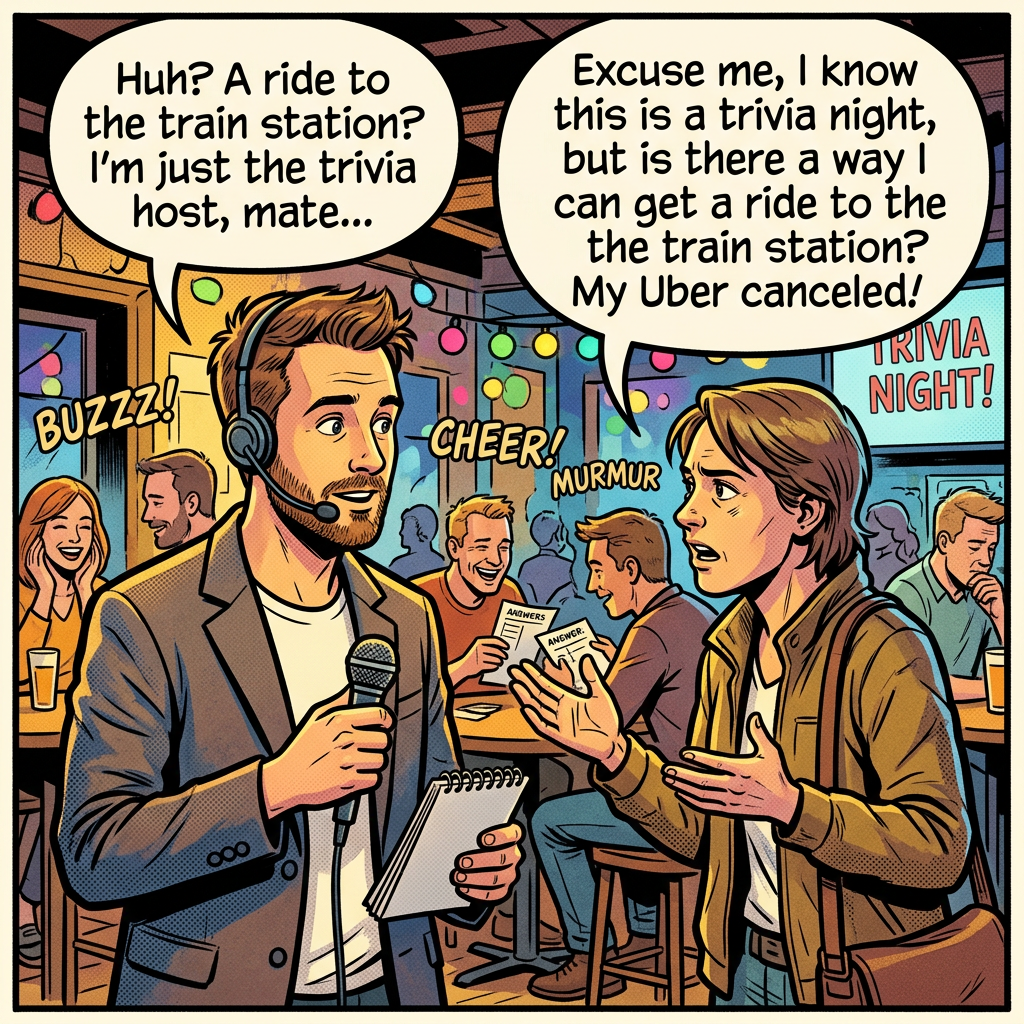
A trivia host tries to help a stranded guest reach the train station during trivia night.
Another WordPress writing prompt from August 2026 that I saved for this 30-day challenge. Question: What’s the weirdest coincidence you’ve ever experienced?
There is a massive neon sign invisible to the naked eye that must be tattooed directly across my forehead. It doesn’t say Welcome, and it certainly doesn’t say Sensible Adult. No, it clearly reads: Designated Shepherd of the Lost, the Confused, and the Mildly Terrifying. I have a fatal flaw. I possess a heart entirely too big for the Mid-Atlantic region, paired with a dose of Catholic guilt to prevent people from accidentally orchestrating their own demise.
Take, for instance, a rainy night at Stan and Joe’s in Annapolis back in 2024. I was hosting trivia, a respectable side hustle, that requires intense focus, reading comprehension, and the ability to ignore drunk people arguing over the capital of Nebraska. ( The Capital of Nebraska is Lincoln.) Enter a woman from the Northeast with a dream, zero grasp of Maryland geography, and a plot straight out of a low-budget indie thriller.
Between my trivia questions, she casually announced she was taking “the night bus” to Washington, D.C., to finalize paperwork on a house she didn’t want to live in. In a torrential downpour. From downtown Annapolis. At 8:00 PM. Now, anyone with a single functioning brain cell knows Annapolis public transit clocks out when the sun goes down. (I have been schooled that their transit system does not clock out at sundown, but it does not head to DC.) There is no magical night bus. No secret subway tunnel links historic dockside pubs directly to the Washington Monument. When I broke the news that she was stranded, she looked at me like I had personally canceled the transit grid. Naturally, her backup plan was to “just catch the train.” Honey, what train? I thought to myself, my left eye starting to squint.
Because the universe decided I was her court-appointed guardian angel, I had her call her friend and verified she wasn’t completely hallucinating a friend who lived in DC. Once verified, we struck a bargain: wait until I finish yelling about pop culture to the midshipmen and millennial players. I would drive her all the way to Baltimore Penn Station so you can catch an Amtrak to DC. She agreed, and since the rain still hadn’t stopped, it was a decent deal.
Did she wait quietly? Absolutely not. While I was on the mic, she peppered me with her entire lifetime backstory, eventually announcing, unprompted, “You know, I’m a Libertarian.” Pulling out her pocket-sized Constitution. Ma’am. I am reading a question about The Golden Girls. I do not care about your stance on America’s fiscal policy; I care that you don’t freeze on West Street.
I finally loaded this mysterious runaway into my car. I thought to myself: Was she an undercover spy? A time traveler? An alien seeking safe passage out of Anne Arundel County? Was a black SUV full of syndicate hitmen pulling up to the bar ten minutes after we left? The drama my brain created was better than any Netflix drama. I navigated construction traffic, listened to a podcast-worthy monologue about her existence, deposited her safely at Penn Station by 11:00 PM, and sped off to pick up my mother from work, wholly accepting that I am a giant sucker.
That was Hitchhiker Number One: a woman who weaponized sheer helplessness.
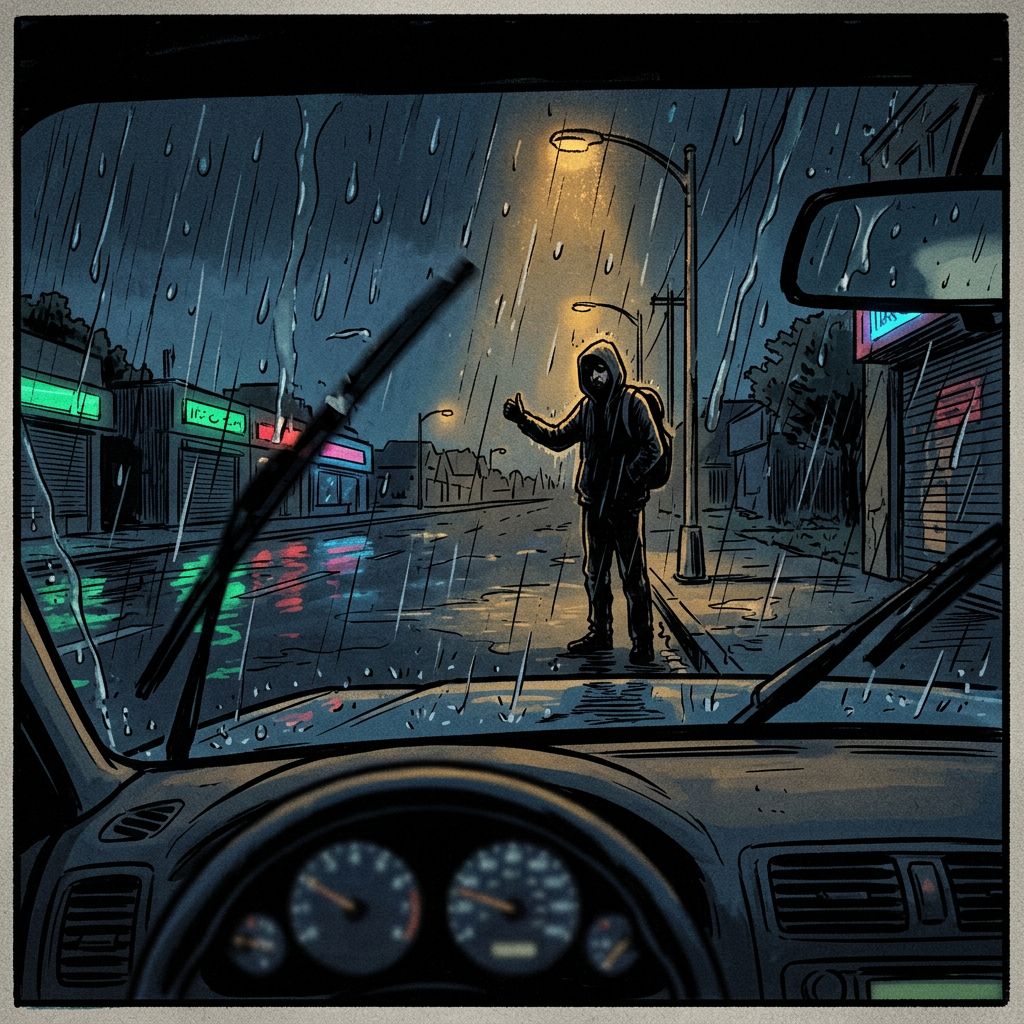
A driver watches a hooded pedestrian through a rain-streaked windshield on a neon-lit street.
Hitchhiker Number Two, however, skipped the paperwork and went straight for vehicular assault.
Cut to a recent evening on Edmondson Road out in Beltsville. For those unfamiliar, this is not a well-lit suburban boulevard. This is a narrow, twisty, ditch-flanked road cutting through farmland. It screams mystery episode.
I’m driving along, minding my own business and stressing about closing out tasks before starting my new job, when a man materializes out of the rural ether. Work boots, blue jeans, silver-white hair, a blue Haines T-shirt, and the pièce de résistance: a crinkly white plastic grocery bag.
He didn’t stick his thumb out like a polite 1970s nomad. He stepped into the road and aggressively lunged toward my moving vehicle, eyes locked on my door handle with the absolute determination of a zombie who missed the last commuter rail. He was getting in that car, with or without my permission.
I don’t have the calendar availability to get murdered on a country back road. I slammed the gas, violently swerved away from him, nearly pitched my entire car sideways into an agricultural ditch, and peeled out like an extra in an action franchise. The windows went up immediately.
So that is where we stand. On one end of the spectrum, I am a freelance chauffeur rescuing wandering souls from their own logistical ignorance. On the other, I am evading ambush attacks in the Beltsville brush.
I’ve since adopted a strict self-defense mechanism: I keep the passenger side of my car littered with enough junk that offering anyone a seat is physically impossible. My windows stay up, my doors stay locked, and my inner bleeding-heart Samaritan has officially clocked out!
Golden reflections ripple across a quiet woodland pond surrounded by berry-laden branches.
Side note: Another Daily prompt I saw on WordPress. I can’t find the draft of this original prompt, but I still wanted to post it and try to keep up with my 30 days of posts. I should have labeled which day was which. What’s a Moment When a Stranger Completely Restored Your Faith in People?
There are so many moments I could talk about that renewed my faith in people, because I am a fortunate person. I won’t sit here and pretend otherwise. Throughout my life, people have always helped me, been there for me, listened, and offered sage wisdom. I want to talk about a few of those times.
The first happened during my first year of graduate school. I was in my twenties. I was dumb, in the way we all are in our twenties. I was in love with a man I thought I’d marry. We had just broken up. He wanted to date other people, and I told him I understood, and then I threw myself into school. I studied. I worked. Then, after a final exam, on a day when I was already emotionally drained, I saw him kiss another woman.
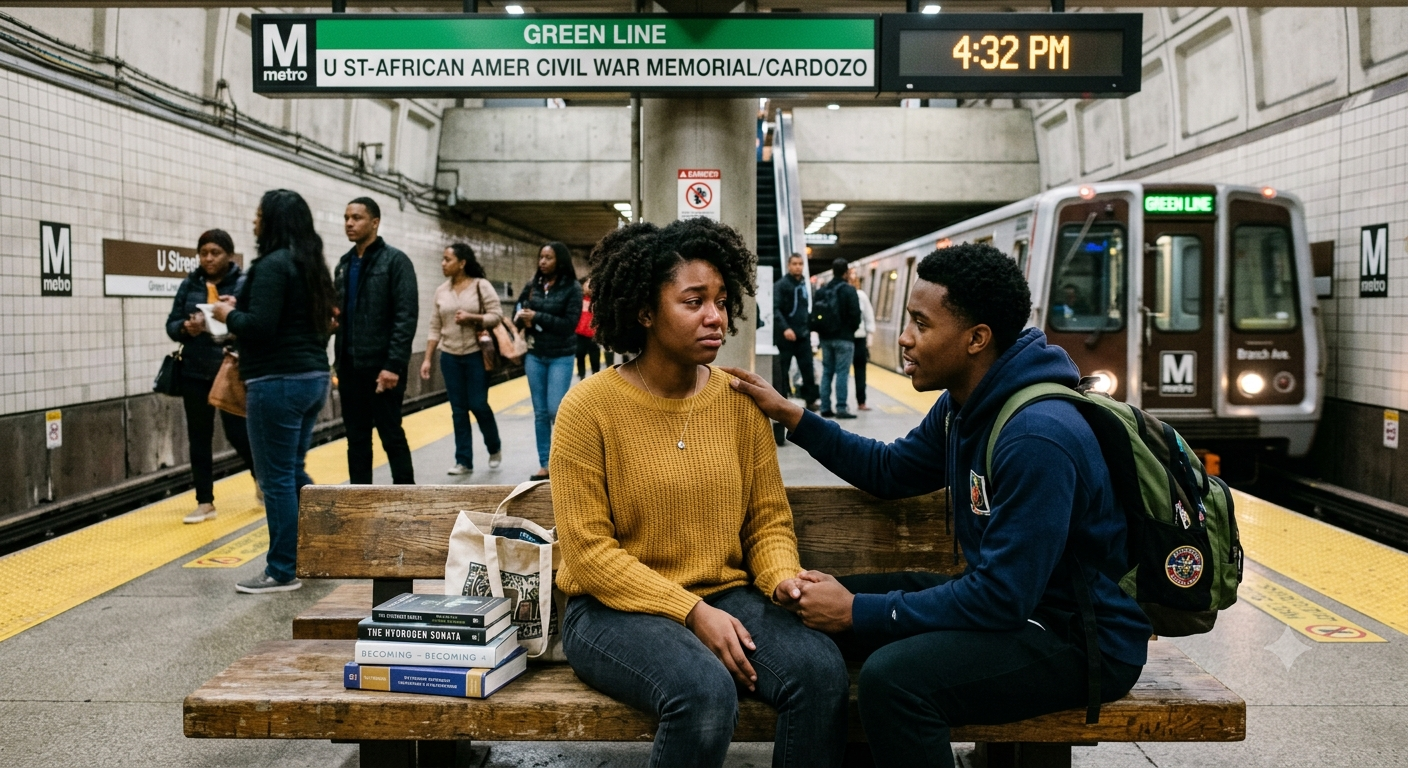
My brain couldn’t process it. I thought I’d failed the exam. I thought I was wasting my time and my money, that maybe everyone who ever doubted me was right. I sat on the green line train and cried, silently, trying not to let anyone see.
A young man came up to me He must have been younger than I was; he looked barely twenty-five Heck, he looked like he was in his early 20s I guess witnessing a grown woman cry on the subway made him pause He asked if I was okay I told him I was going through a lot And without knowing anything about what had happened to me the exam seeing my ex, he spoke life into me He told me that no matter what I was going through, it would be okay, and that someone out there would show up for me and be there for me I don’t remember every word. Still, I remember what it did It poured kindness back into a place that had gone empty.
Then he said something I still think about. He said, “You passed that test.” I hadn’t told him about the exam, and he said, “That man’s not your man. Everything’s gonna work out.” My train came; I thought he’d get on with me. Still, he told me to have a good life and stayed on the platform. When I looked back through the window, he was gone. I went back to that train around that same time for days afterward, hoping to find him, just to say thank you, just to buy him a cup of coffee. I never saw him again. I don’t know his name. Still, I carry him with me, and I thank him in my spirit to this day. I did pass that class. That relationship ended, and it turned out to be the freeing thing he told me it would be.
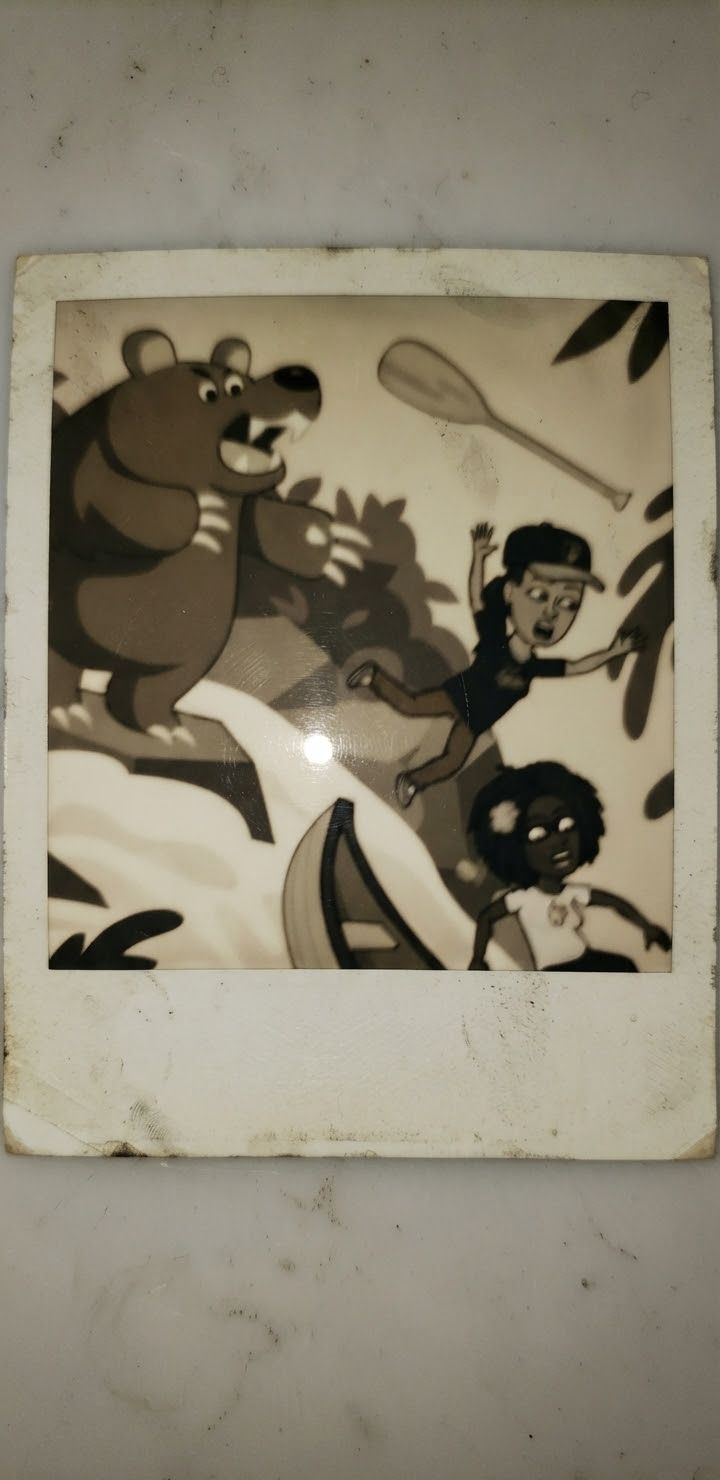
Another time, I went whitewater rafting with friends. I was thrown from the raft into the water. I swam to a rock to wait, just as I’d been told to do if that ever happened A group of strangers, people who didn’t know me at all, pulled me into their raft and carried me back to my own group I was so grateful someone was willing to help a person they had never met If they hadn’t stopped for me, I don’t know how long I would have been stranded on those rocks Probably not long, we were with a tour group, and they had a raft behind us on purpose to save anyone who became hurt, injured, or stranded.
The last is something that has happened to me more than once: car accidents I’ve been in accidents that, by all rights, should have been much worse than they were Each time, whether it was an EMT, a police officer, or a bystander who stopped, someone has told me I was okay before I even knew to believe it myself One told me I needed to understand how fortunate I was, that she had seen people walk away from far less My cousin once saw the wreckage of one of my accidents and broke down crying, because she couldn’t understand how I had walked away from it Another time I was hit by a car going nearly ninety miles an hour. I had the green light and they ran the red light. You can only imagine the boom, it was epic like God sending a bolt of lighting to earth. I don’t remember getting out of the car, but i got out of the car and stood on the side of the street until EMTs showed up. People kept asking me how I did it , because the door was sealed shut. I didn’t have an answer I still don’t.
I think about all of this, especially the man on the green line. He poured life into me on a day I thought I had hit rock bottom. He did it without asking for anything back. I will never see him again. I pray he is well, successful, and loved. I hope, somehow, he knows that I thank him from the bottom of my heart. These moments remind me that humanity is still capable of good, and I hold onto them with gratitude.
Would you like to fund my next whitewater rafting trip, or maybe my return to grad school? –> Ko-fi.com/chemichelletales
Also I need to do better editing. Sorry for the typos.